4% Inflation & USMCA Limbo: 5 Cars Worth Buying Now
With inflation above 4%, the USMCA trade framework in limbo, and the average new car now approaching $50,000, buying smart in July 2026 means understanding the economics before you even step into a showroom.

The average new vehicle in America now costs close to $50,000 — a figure that crystallizes just how dramatically the car market has shifted in a short time. Three converging forces are pressing that number higher heading into July 2026: inflation running above 4% with the Federal Reserve, now led by Chairman Kevin Warsh, maintaining elevated rates despite political pressure to cut; a USMCA trade framework whose extension remains unresolved as of July 1, 2026, leaving automakers uncertain about the cost structure of vehicles built across the U.S., Canada, and Mexico; and an active tariff environment that has kept duties on vehicles and components sourced outside North America at elevated levels. Together, these forces are producing what analysts are now calling a lasting affordability crisis in the U.S. auto market — one with direct consequences for every buyer who steps onto a lot this summer.
The tariff exposure falls hardest on European luxury brands, where the full weight of import duties lands on each vehicle shipped across the Atlantic. The [Audi A4](/cars/audi-a4) (from $42,000), [BMW 3 Series](/cars/bmw-3-series) (from $45,950), and [Mercedes-Benz C-Class](/cars/mercedes-benz-c-class) (from $47,900) are all assembled in Germany, while the [Audi Q7](/cars/audi-q7) ($60,500) and [BMW X5](/cars/bmw-x5) ($66,200) carry similar exposure. With the tariff tracker updated as recently as July 2, 2026 still reflecting continued duties on European-origin vehicles, buyers considering these models face genuine uncertainty about whether additional price adjustments are ahead before year-end. The unresolved USMCA extension adds a secondary layer of risk: even domestically branded vehicles that rely heavily on components from Mexico or Canada could face added cost pressure if the trade framework's terms shift unfavorably.
High borrowing costs are the second major headwind. With the Fed funds rate still elevated to combat inflation that topped 4% through June 2026, auto loan rates in the high single digits are standard at most lenders. A buyer financing a $48,000 vehicle over 60 months at roughly 8% is looking at monthly payments approaching $975, before taxes, registration, and insurance. That arithmetic is pushing a meaningful share of would-be buyers to the sidelines — which is exactly what analysts point to when forecasting a lasting decline in U.S. car sales volume. The partial upside: softening demand has improved dealer inventory levels at many brands, and on slow-moving models, motivated dealers are showing real willingness to negotiate below sticker. Buyers who can secure financing currently have leverage they have not had since before the pandemic.
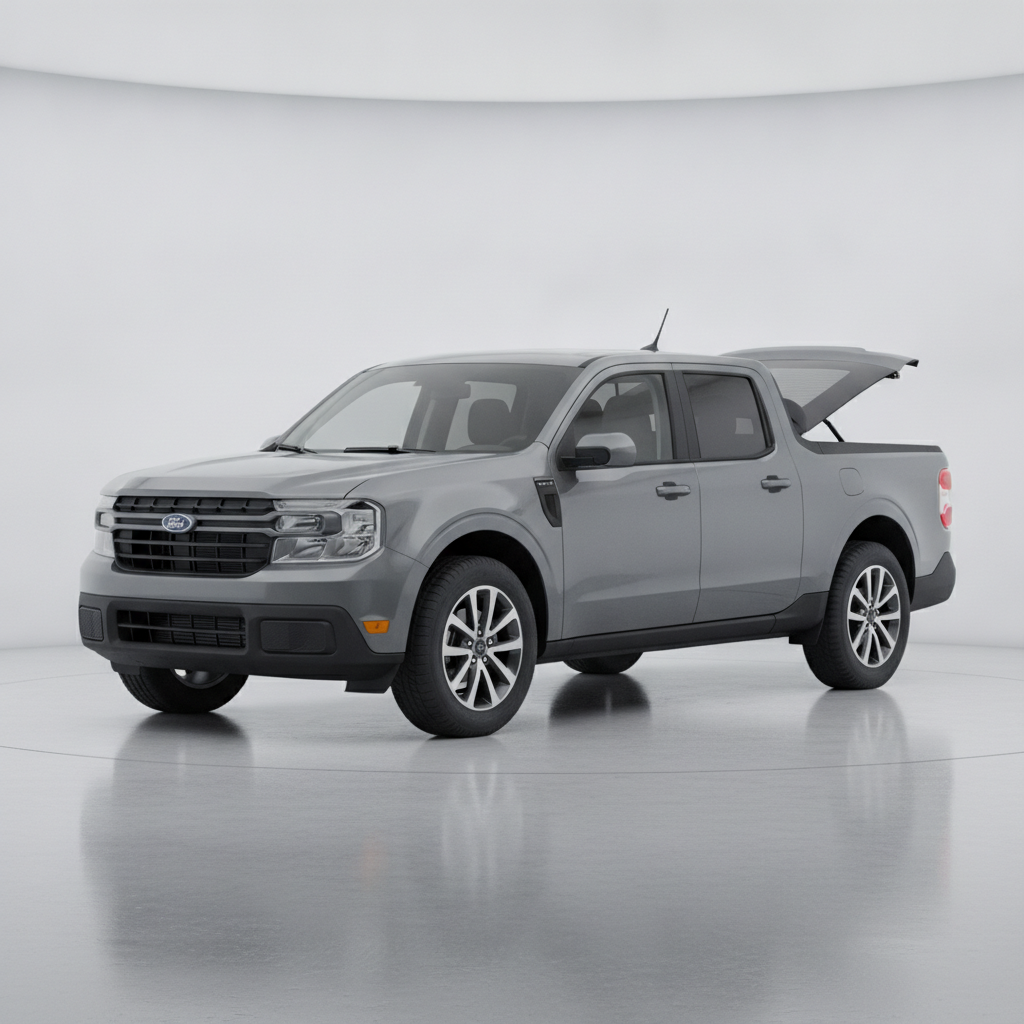
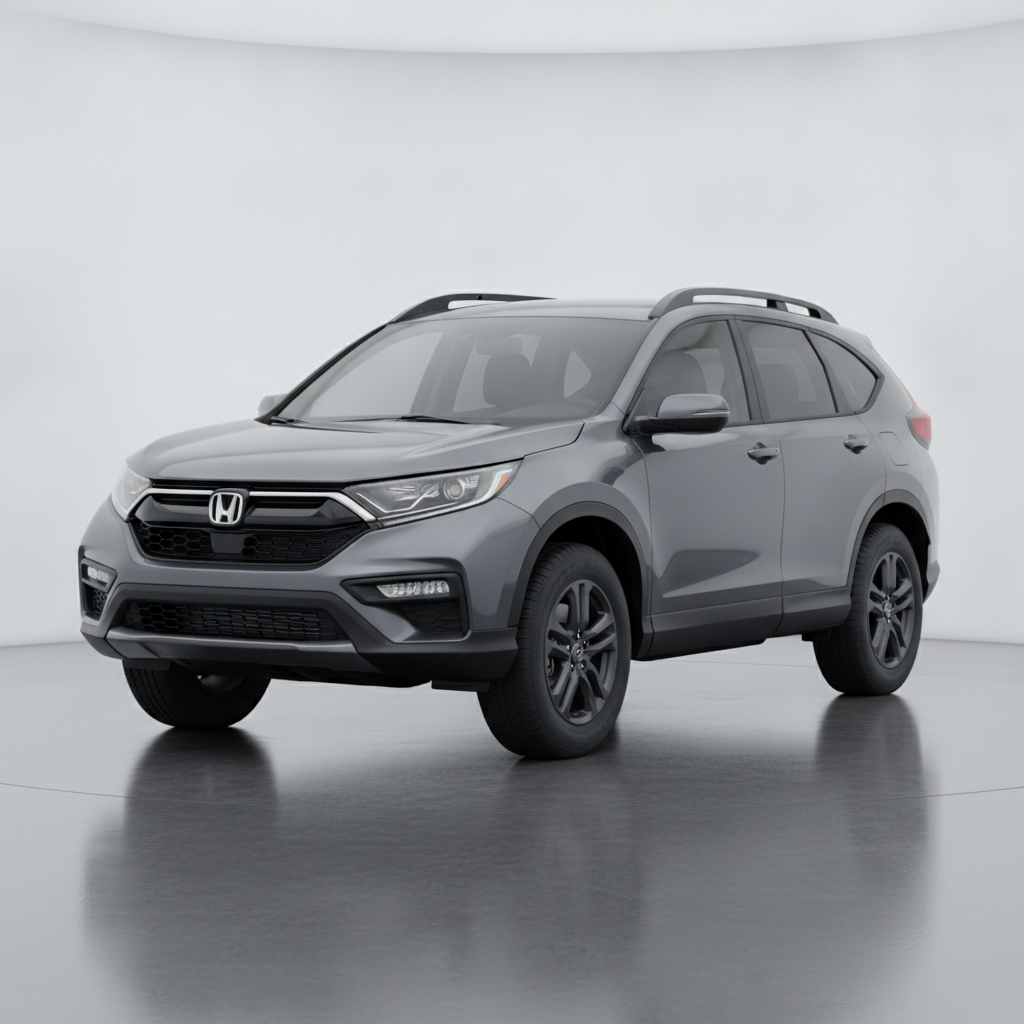
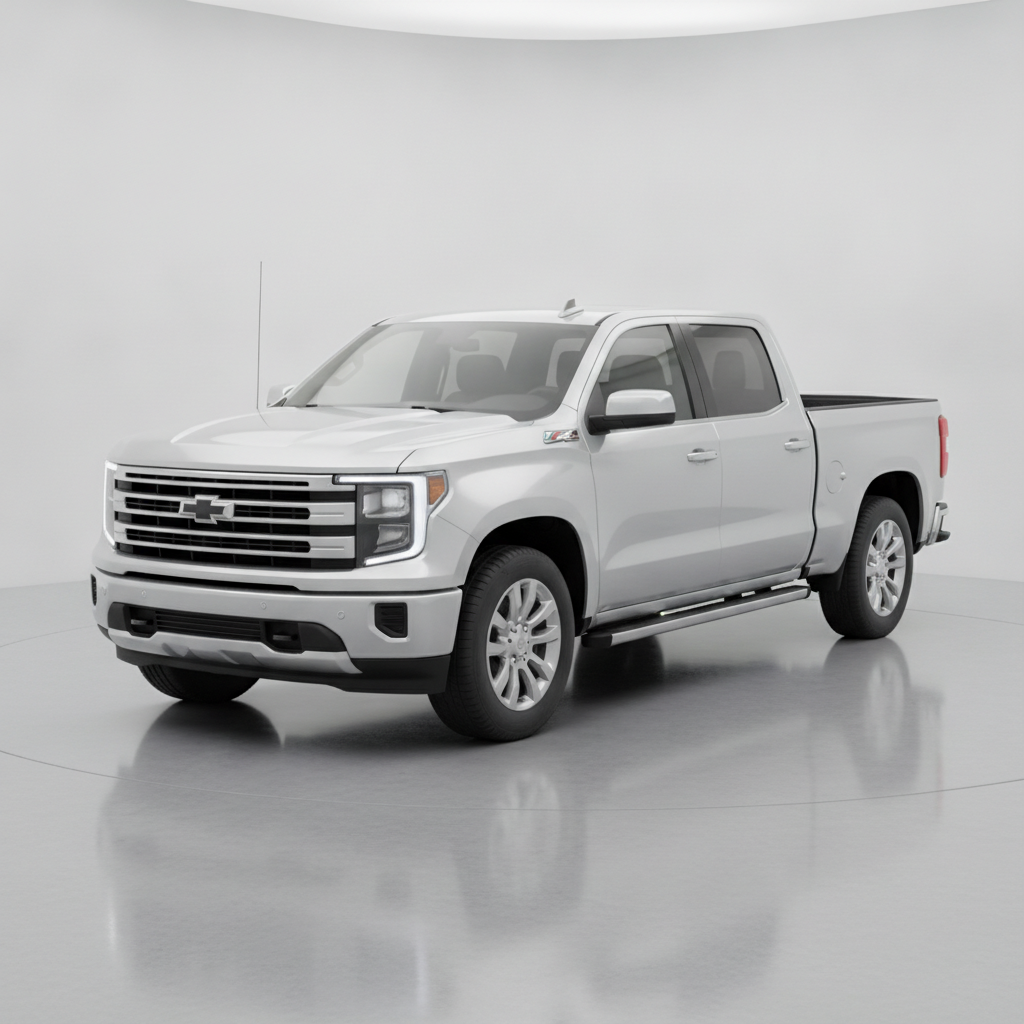
The smartest buys in this environment share two characteristics: domestically stable assembly that sidesteps tariff volatility, and strong fuel efficiency that hedges against elevated running costs. The [Ford Maverick](/cars/ford-maverick) hybrid (from $28,500, 38 MPG combined) is the standout value play — sub-$30K, genuine truck utility, and fuel economy that makes gas prices nearly irrelevant. The [Honda CR-V](/cars/honda-cr-v) (from $30,100, 30 MPG combined) and [Subaru Outback](/cars/subaru-outback) (from $29,010, 29 MPG combined) offer tariff-stable pricing and proven real-world efficiency in the same sensible tier. For buyers who can stretch into the low $40Ks, the [Tesla Model 3](/cars/tesla-model-3) (from $42,490, 132 MPGe), built in Fremont, California, eliminates the fuel cost variable entirely while bypassing European import duties — a double hedge that is difficult to match at this price point. The [Ford F-150](/cars/ford-f-150) (from $38,810), assembled in Michigan and Missouri, benefits from high domestic content and is one of the most negotiable vehicles on lots right now as overall market volume softens.
The models worth approaching with more caution are those sitting at the intersection of high import duty exposure and aggressive sticker prices. The BMW X5 at $66,200 returns around 25 MPG, and the Audi Q7 at $60,500 averages approximately 21 MPG combined — the running-cost premium over a more efficient alternative compounds quickly at current fuel prices. At the extreme end, the [Cadillac Escalade](/cars/cadillac-escalade) (from $87,000, approximately 16.5 MPG) and [Lincoln Navigator](/cars/lincoln-navigator) (from $101,000, 18 MPG) are genuinely impressive vehicles, but financing either at 8% over 60 months adds roughly $20,000 or more in interest charges alone. That is not an argument against buying them outright — it is an argument for applying more rigorous total-cost-of-ownership math than most buyers do, especially in a market where every dollar is already stretched thin.
The practical takeaway for July 2026 is straightforward: buy what you can afford to own, not just to acquire. In a 4%-inflation, high-rate environment, that means prioritizing fuel efficiency, tariff-stable supply chains, and a monthly payment that genuinely fits your budget with room to spare. Sub-$35K buyers have strong, honest options in the Maverick, CR-V, Outback, and [Honda Civic](/cars/honda-civic) (from $24,250, 36 MPG combined). The $40K to $50K tier is where the Tesla Model 3 and F-150 offer the best combination of value, efficiency, and negotiating room in a softening market. Whatever you choose, secure pre-approved financing from a credit union or your own bank before visiting a dealership — at current rates, the spread between a dealer-arranged loan and one you arrange yourself can easily add $2,000 to $4,000 to the total cost of the vehicle. In a near-$50,000 car market, that gap is worth every effort to close.