Iran Shock & Rate Fears: 5 Car Buys for July 2026
US stocks fell sharply on July 8 as geopolitical shocks and inflation pressure collide — here's exactly what that means for your next car purchase.

US stock markets dropped sharply on July 8, 2026, as news of American strikes against Iranian nuclear sites rattled investors and reignited fears that the Federal Reserve — already watching inflation at a three-year high — would be forced to raise interest rates sooner than expected. The selloff landed on top of an already stressed consumer economy: new-car prices are at historic highs, monthly payments have broken records, and insurance premiums continue climbing faster than wages. For anyone planning to buy a car this summer, the calculus just got measurably harder.
The trade backdrop compounds the pressure. Tariffs meant to shield American automakers have instead rippled through the supply chain in ways their architects did not anticipate, raising costs even on domestically assembled vehicles that rely on foreign-sourced parts. Simultaneously, the US auto industry is navigating real uncertainty around USMCA — the trade framework governing cross-border production between the US, Mexico, and Canada — whose extension remains unresolved deep into the second half of 2026. That limbo has made it difficult for manufacturers to commit to stable pricing, and dealers are passing the uncertainty downstream. MSRP floors are drifting upward on many models even before a potential rate hike reaches the financing side of the equation.
In concrete dollar terms, the average new-car transaction is hovering near $50,000. At a financing rate around 7% APR, a $47,000 loan over 60 months runs roughly $930 per month before insurance or fuel. If the Fed moves rates upward in response to geopolitical inflation pressure, that number climbs further. Gas prices have ticked up recently, though analysts expect the near-term effect on used-car pricing to remain modest. Insurance is a different story — replacement-cost inflation has driven premiums meaningfully higher, adding $100 to $200 per month to total ownership costs on many newer vehicles that buyers are only discovering after signing.
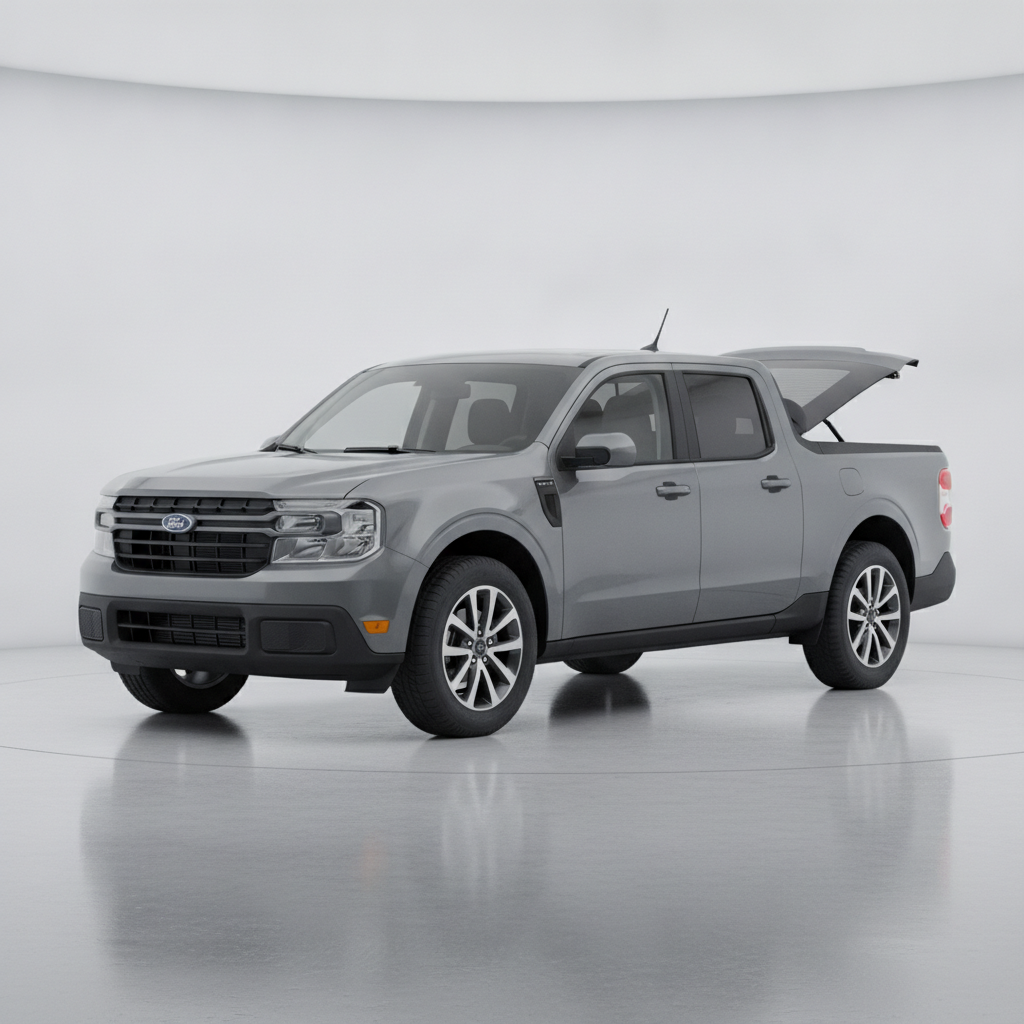
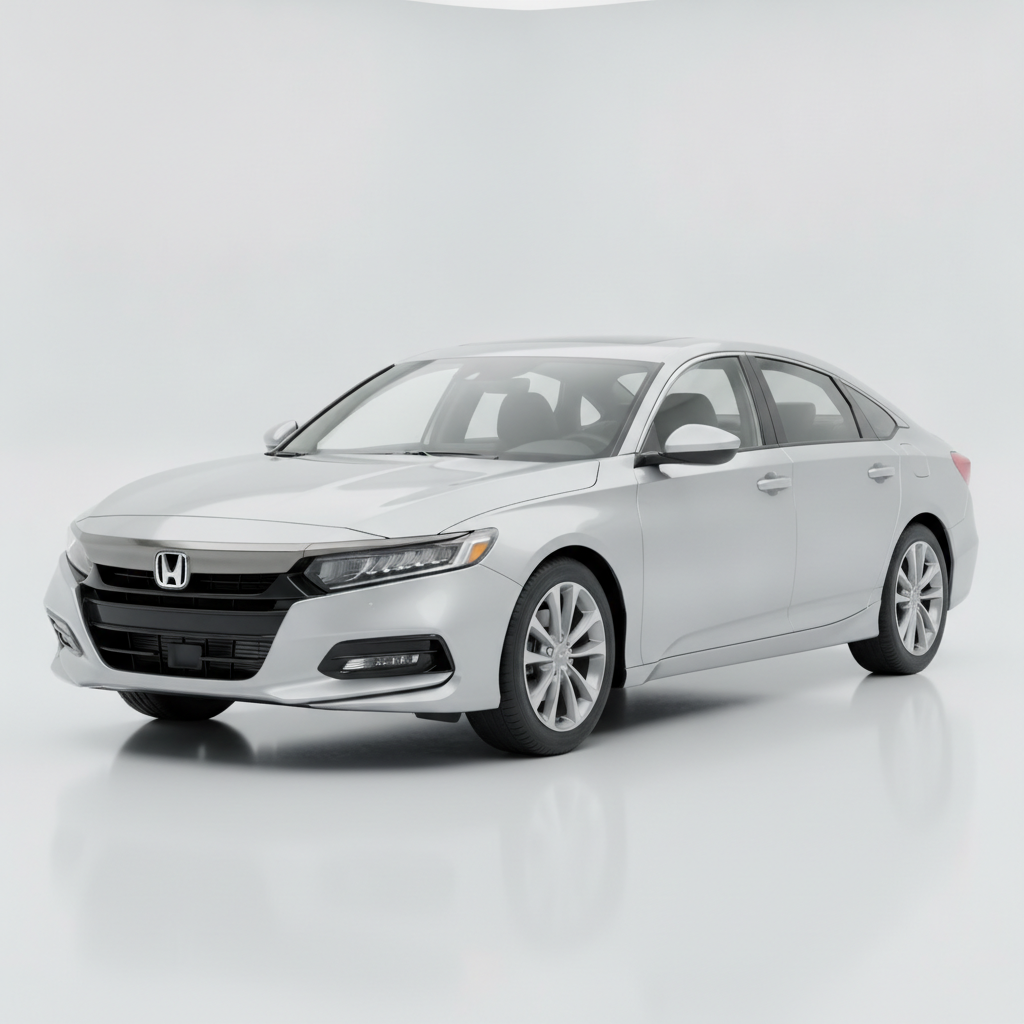
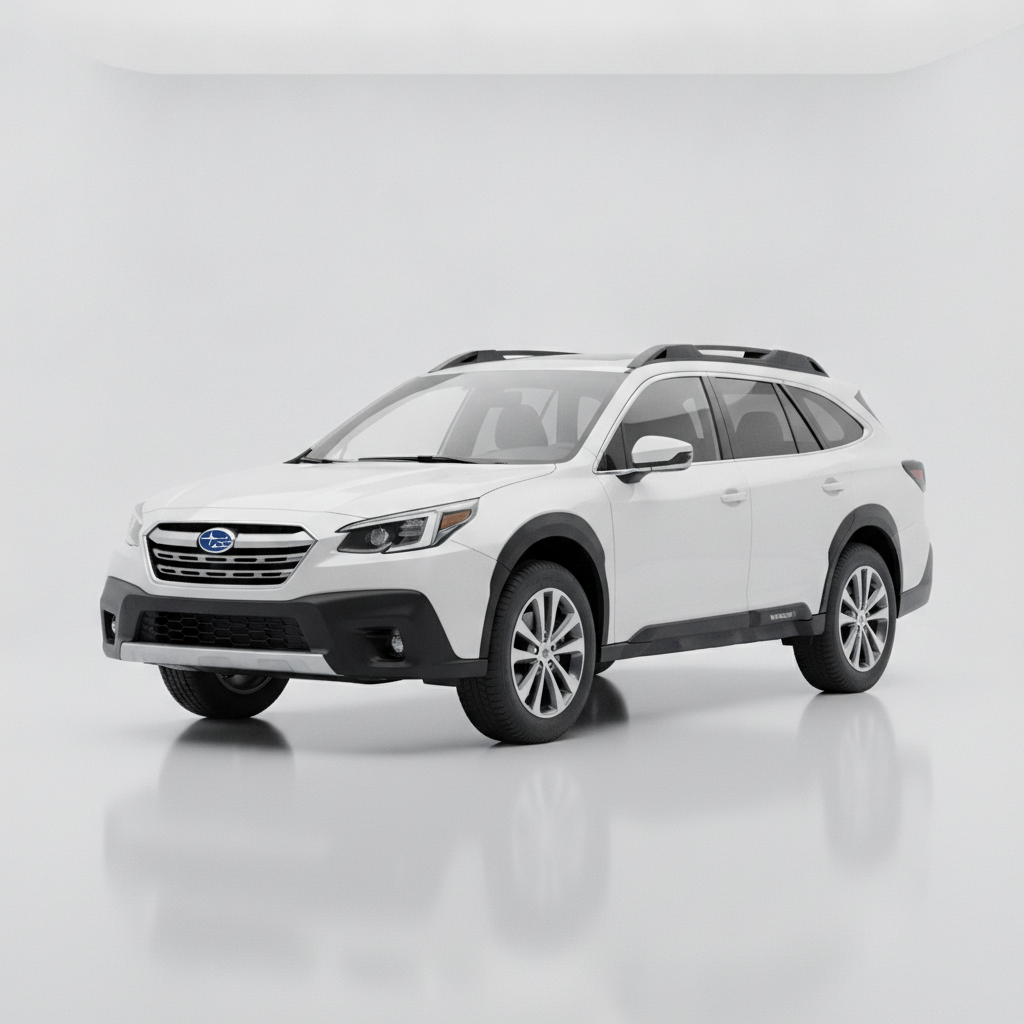
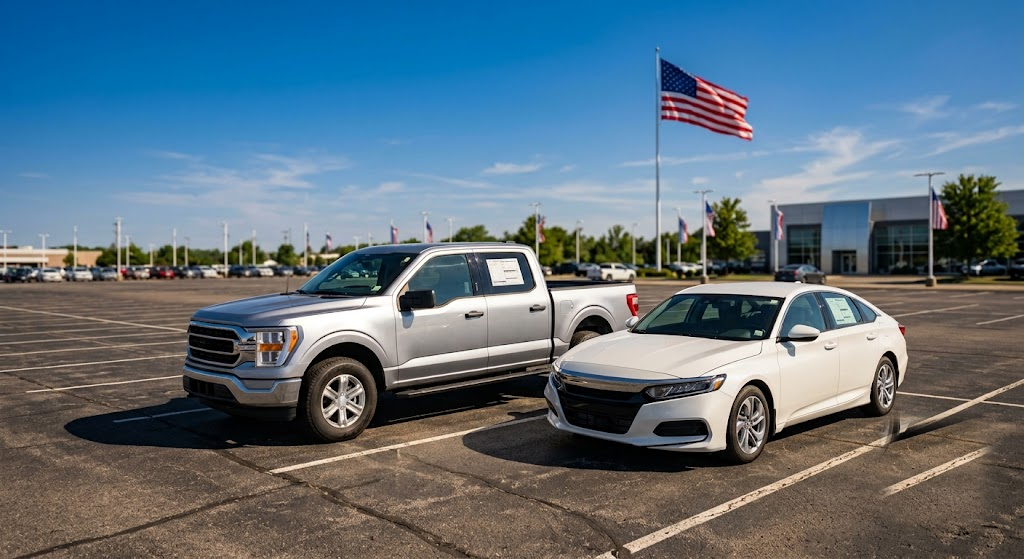
Against this backdrop, the smartest July 2026 buys share three traits: an affordable base price that minimizes rate sensitivity, strong fuel efficiency to hedge energy volatility, and North American assembly to reduce tariff exposure. The [Ford Maverick](/cars/ford-maverick) (from $28,500, 38 MPG combined in hybrid trim) is the standout truck argument — a sub-$30K entry price paired with class-leading hybrid economy makes it one of the least interest-rate-vulnerable new pickups on sale. The [Honda Accord](/cars/honda-accord) hybrid (from $28,990, 48 MPG combined) is equally well-positioned: assembled in Ohio, it carries zero import tariff risk and its fuel economy insulates owners from gas price swings. SUV shoppers should look seriously at the [Subaru Outback](/cars/subaru-outback) (from $29,010, 29 MPG) and [Chevrolet Equinox](/cars/chevrolet-equinox) (from $29,995, 28 MPG combined) — both keep monthly payments in a manageable range even if rates move another half-point before year-end. EV buyers willing to step a little higher should price the [Tesla Model 3](/cars/tesla-model-3) (from $42,490, 132 MPGe): domestically assembled, immune to gas price volatility, and still potentially eligible for federal tax credits, it is one of the few vehicles above $40K that can genuinely pencil out under current conditions.
The models that deserve more caution this month combine import tariff exposure with high sticker prices. European luxury sedans — the [BMW 3 Series](/cars/bmw-3-series) (from $45,950), [Audi A4](/cars/audi-a4) (from $42,000), and [Mercedes-Benz C-Class](/cars/mercedes-benz-c-class) (from $47,900) — are assembled overseas and bear the full weight of current import tariffs, which can add several thousand dollars to the transaction price before negotiation even starts. At 7% APR, that tariff premium translates directly into additional monthly exposure over the loan term. Large, fuel-heavy SUVs like the [Chevrolet Tahoe](/cars/chevrolet-tahoe) (from $58,200, 18 MPG combined) also face a tighter value case when gas prices are elevated and insurance is running hot — the ongoing cost load at that price point is punishing in this environment.
The practical buyer move right now is to separate need from aspiration and act on the efficiency-and-affordability axis. If you need a vehicle this month, get pre-approved for financing before any Fed announcement — locking in today's rate could save hundreds per month if the central bank moves. Prioritize models under $35,000 where your situation allows, favor 30-plus MPG or MPGe equivalents to hedge fuel costs, and lean toward North American assembly to reduce tariff risk on both purchase price and future resale uncertainty. If you have been eyeing a European luxury model, it may actually be worth a short wait — demand softening on rate-hike fears could open better deal windows by early fall. In a market this turbulent, the buyers who come out ahead are the ones who let the math lead.