USMCA Expires, Inflation Bites: 5 Cars Worth Buying in 2026
With USMCA unextended and US inflation above 4% locking auto loan rates high, knowing which cars are tariff-insulated and fuel-efficient could save you thousands this summer.
The North American auto industry crossed into July 2026 without the one thing it needed most: a clear extension of the United States-Mexico-Canada Agreement. With USMCA's future in active renegotiation, automakers that rely on cross-border supply chains — which is nearly every major brand selling in the US — are now pricing tariff risk directly into their models. That uncertainty compounds an already punishing macro backdrop: US inflation breached 4% in June, prompting the Federal Reserve's new chair, Kevin Warsh, to hold benchmark rates steady even as markets craved relief. Analysts are calling the resulting affordability squeeze a lasting structural shift, not a temporary blip, with US new-car sales volumes now expected to contract for the foreseeable future. For American buyers, mid-2026 is a market that rewards precise decision-making over impulse.
Start with what inflation above 4% actually means at the dealership. Auto loan rates for most buyers currently hover in the 7–9% range depending on credit score and term. On a $45,000 vehicle — roughly the entry point for a [BMW 3 Series](/cars/bmw-3-series) at $45,950 or an [Audi A4](/cars/audi-a4) at $42,000 — a 60-month loan at 7.5% carries a monthly payment approaching $900 before insurance and registration. That cumulative burden is precisely why analysts now foresee a lasting contraction in new-car sales: buyers who stretched to purchase during the 2021–2023 inventory crunch are reluctant to repeat the experience at today's rates. On the supply side, Canada's manufacturing sector is absorbing serious pain from the tariff standoff over where vehicles get built; any escalation could push Canadian-assembled models meaningfully higher at US retailers. The lesson for shoppers: pay as much attention to where your vehicle is assembled as to its sticker price.
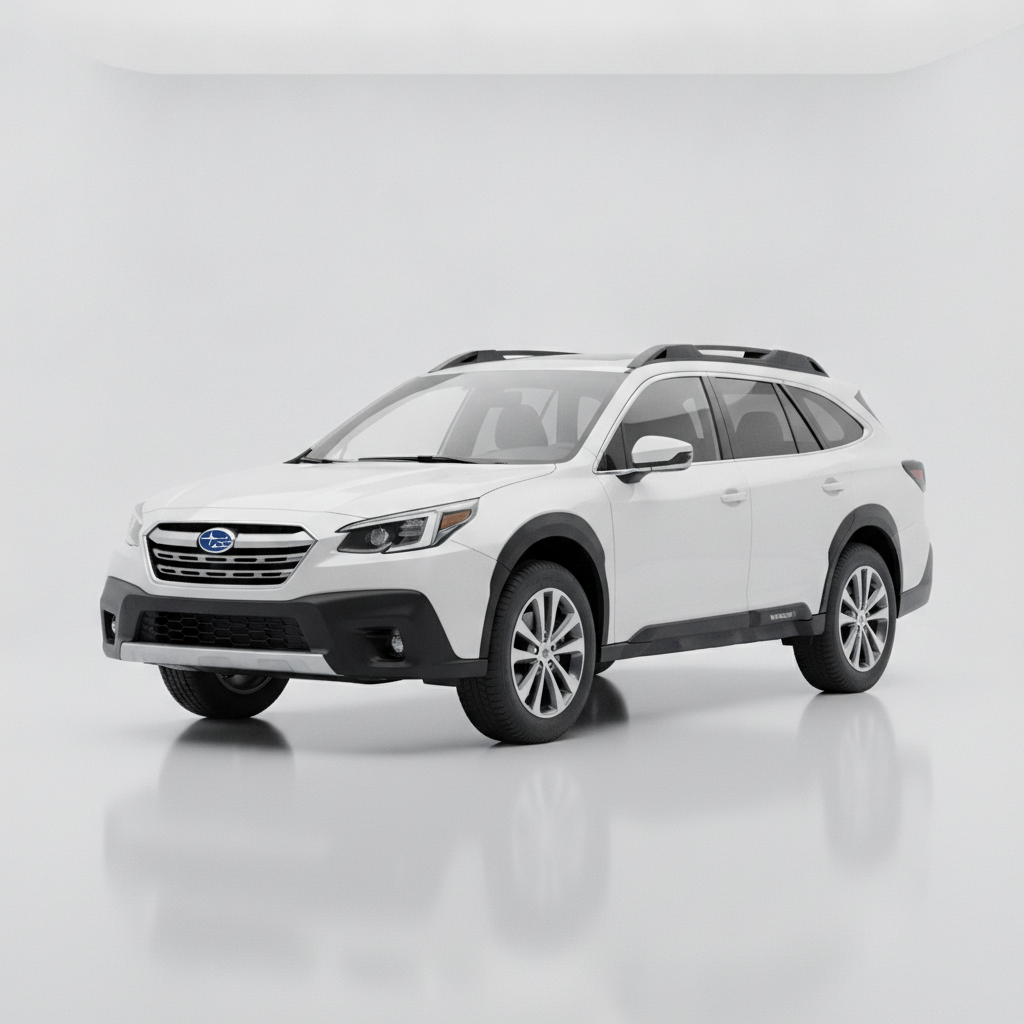
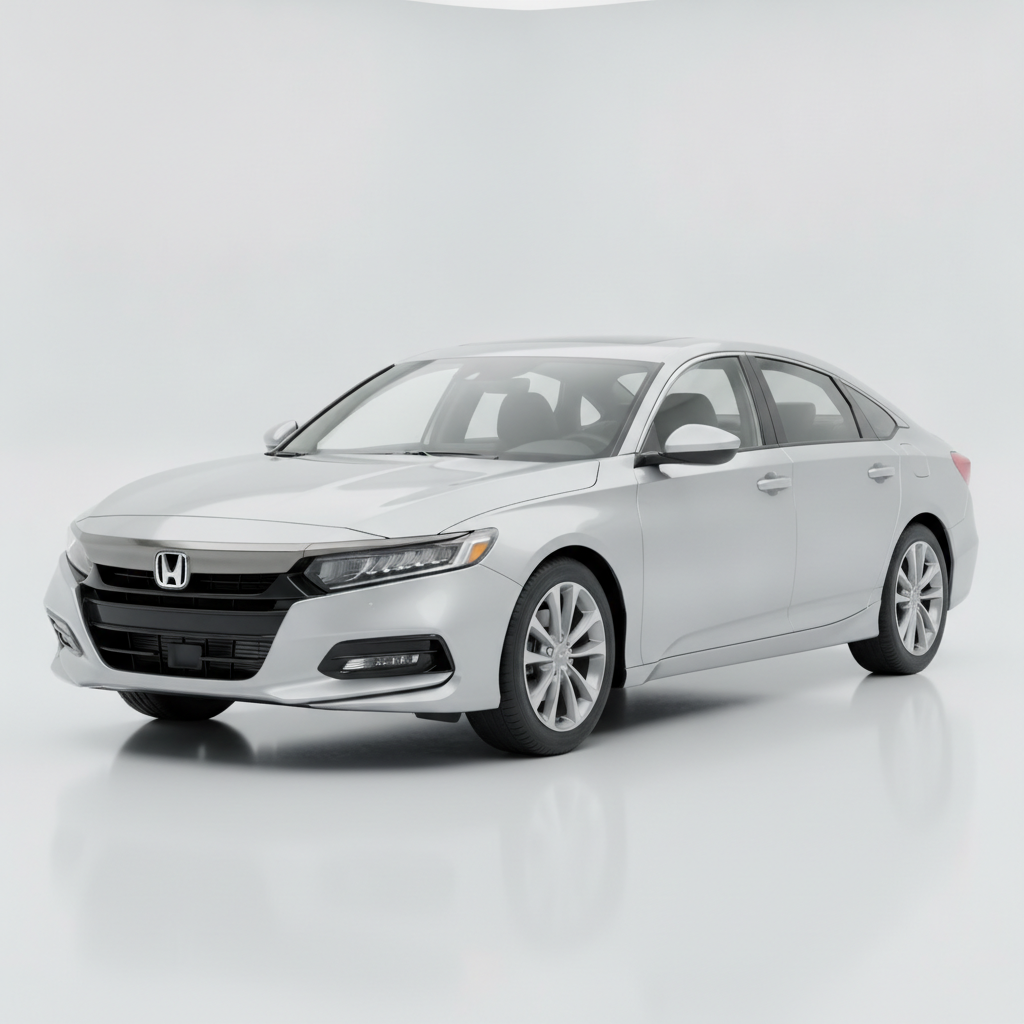
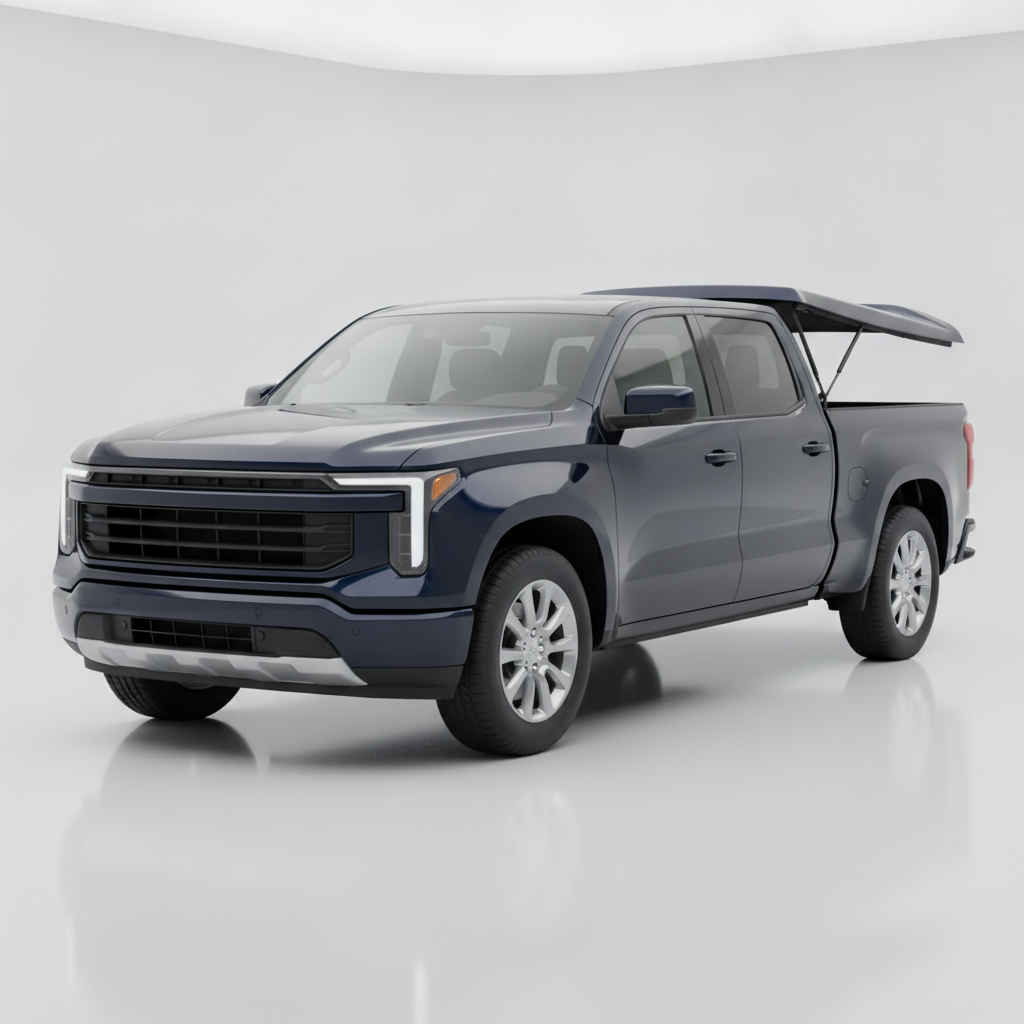
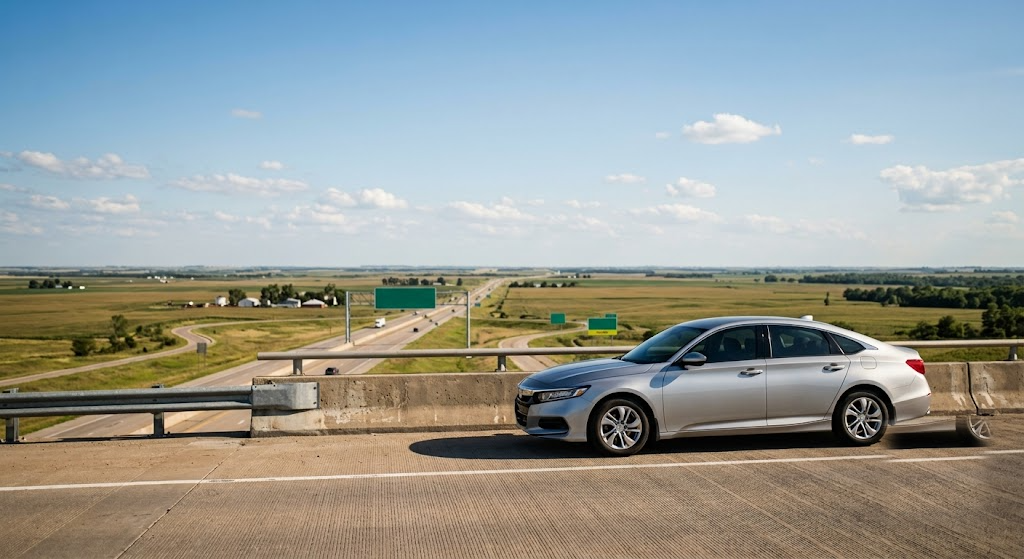
The most defensible buys in this environment are domestically assembled vehicles with prices that don't demand aggressive financing. The [Subaru Outback](/cars/subaru-outback), starting at $29,010 and built in Lafayette, Indiana, delivers 29 MPG combined and genuine all-weather versatility — keeping monthly payments manageable even at today's rates. The [Honda Accord](/cars/honda-accord), assembled in Marysville, Ohio and starting at $28,990, is arguably the standout value in the entire market right now: its hybrid powertrain achieves an exceptional 48 MPG combined, hedging directly against inflation-elevated fuel costs, while its Ohio assembly insulates buyers from USMCA tariff exposure. For truck shoppers, the [Chevrolet Colorado](/cars/chevrolet-colorado) — built in Wentzville, Missouri and priced from $31,000 — hits the right balance of capability and cost: 20 MPG for a work-ready midsize pickup with zero cross-border supply chain risk. The budget hybrid option is the [Ford Maverick](/cars/ford-maverick) at $28,500 returning 38 MPG in hybrid form, though its Hermosillo, Mexico assembly places it within the USMCA uncertainty zone — something to monitor as negotiations proceed through the third quarter.
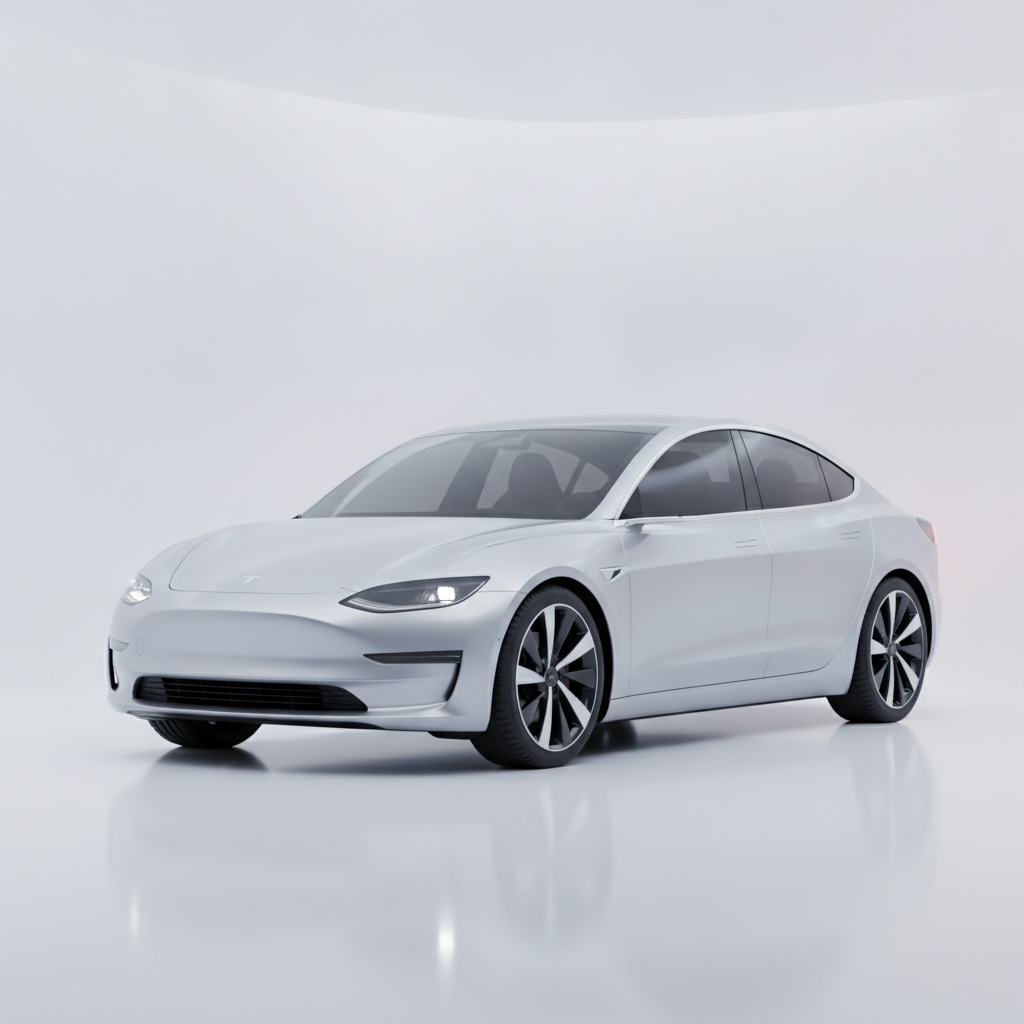
Electric vehicles assembled in the US present a compelling dual hedge: tariff risk and gasoline cost volatility addressed in a single purchase. The [Tesla Model 3](/cars/tesla-model-3), built at Tesla's Fremont, California facility and starting at $42,490, sidesteps USMCA exposure while delivering 132 MPGe — making its running costs dramatically lower than any combustion alternative at today's fuel prices. For buyers with slightly more budget, the [Tesla Model Y](/cars/tesla-model-y) at $44,990 offers 123 MPGe and production at Tesla's Gigafactory in Austin, Texas. Buyers should verify federal EV tax credit eligibility before signing, as applicable credits can meaningfully reduce effective purchase prices. The [Ford Mustang Mach-E](/cars/ford-mustang-mach-e) at $37,000 is an attractive EV entry point, but its Cuautitlán, Mexico assembly means USMCA tariff exposure similar to the Maverick; confirm credit eligibility and watch for any pricing adjustment before committing.
Where patience is the smarter play: European luxury vehicles face a compounding headwind from EU-US tariff tensions that remained unresolved through late June 2026. The [Audi Q7](/cars/audi-q7) at $60,500, assembled in Bratislava, Slovakia, carries the most direct exposure to any EU tariff escalation. The [BMW X5](/cars/bmw-x5) at $66,200 and the [Mercedes-Benz GLC](/cars/mercedes-benz-glc) at $48,050 benefit from US assembly in Spartanburg, SC and Vance, AL respectively, partially buffering their prices — but European-sourced powertrains and components still add pricing uncertainty. If EU-US trade talks produce a deal by fall, these models become considerably more attractive; if negotiations stall, transaction prices could rise by an estimated $2,000 to $5,000. The used market is already absorbing demand from buyers who want European luxury but are unwilling to absorb today's new-car premium — certified pre-owned remains a rational hedge in this segment while the trade picture clarifies.
The practical buyer's filter for mid-2026 comes down to three priorities: domestic assembly to sidestep tariff risk, a sub-$35,000 price point to keep financing costs from dominating the ownership experience, and strong fuel efficiency to hedge against inflation-elevated running costs. The Subaru Outback, Honda Accord, and Chevrolet Colorado represent the most balanced combination of all three. EV buyers with the budget for a Tesla Model 3 or Model Y will find total cost of ownership increasingly compelling as electricity remains cheaper than gasoline in most US markets. For those drawn to European imports or USMCA-exposed models, waiting one quarter to see how trade negotiations resolve is sound risk management — not indecision. The market will likely look meaningfully different by October 2026 depending on whether dealmakers in Washington reach a framework agreement.