Trade Cliff & Rate Hike: 6 Smart Car Buys for July 2026
Two macro forces — unresolved USMCA trade uncertainty and inflation at a three-year high — are simultaneously pushing vehicle costs up, but six specific models offer a concrete path around the worst of it.
The U.S. auto industry entered July 2026 facing a two-front squeeze that is reshaping what buyers actually pay at the dealership. Industry groups and automakers warned this week that the failure to secure an extension of the USMCA trade framework injects serious uncertainty into the cross-border supply chains that underpin North American vehicle production. At the same time, inflation has climbed to its highest level in three years, putting fresh pressure on the Federal Reserve to raise benchmark interest rates ahead of the fall election season. Neither development is abstract: both show up immediately in window stickers, monthly payment calculators, and the mix of vehicles your local dealer has the margin to move.
For buyers eyeing imported European models, existing import duties are the most immediate cost to factor in. The [Audi A4](/cars/audi-a4), starting around $42,000, and the [Mercedes-Benz C-Class](/cars/mercedes-benz-c-class), from approximately $47,900, carry direct exposure to tariffs the current administration has layered on and shows no sign of removing. The [BMW 3 Series](/cars/bmw-3-series), from $45,950, faces a similar dynamic — while BMW assembles larger crossovers at its South Carolina facility, the 3 Series is produced primarily in Germany and is subject to tariff pass-through costs that dealers can only partially absorb. With analysts now projecting a lasting drop in U.S. car sales driven by affordability concerns, automakers have limited room to discount further, meaning those tariff costs increasingly land on the buyer.
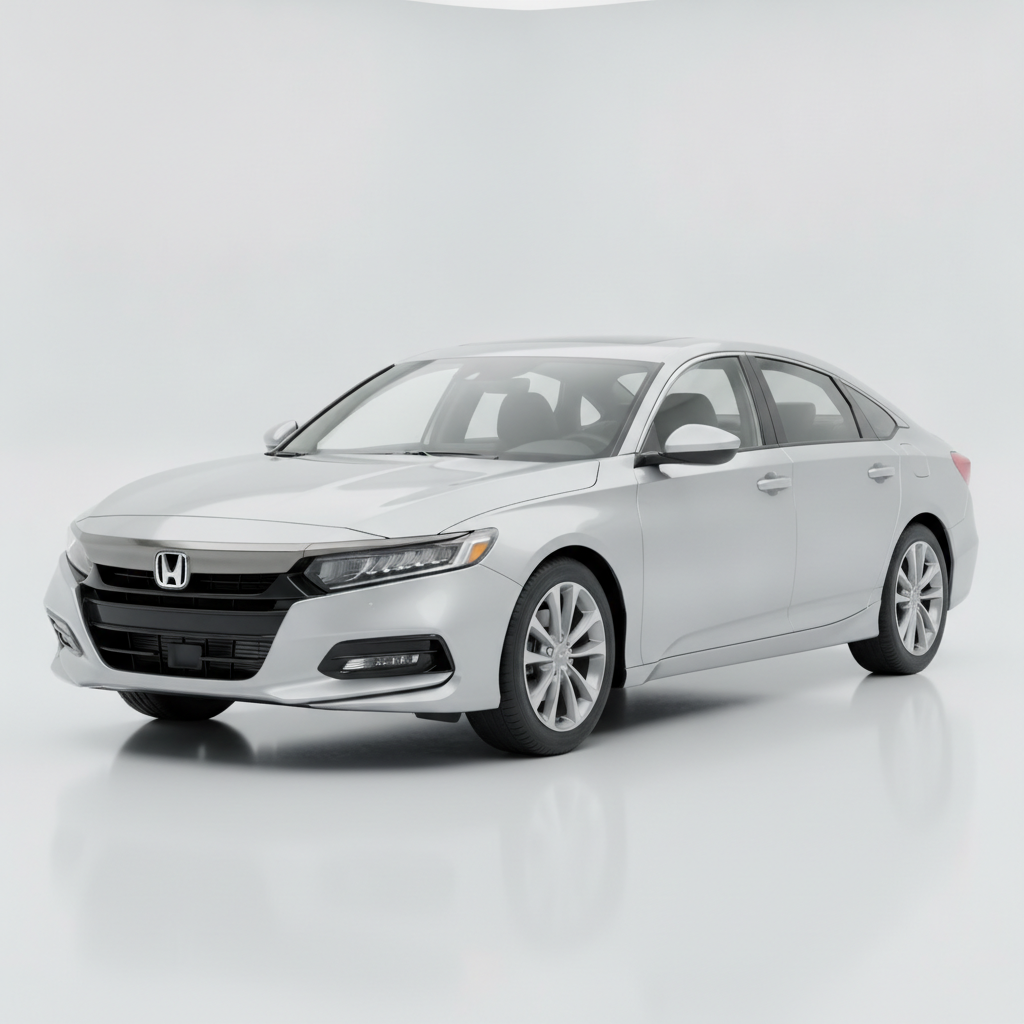
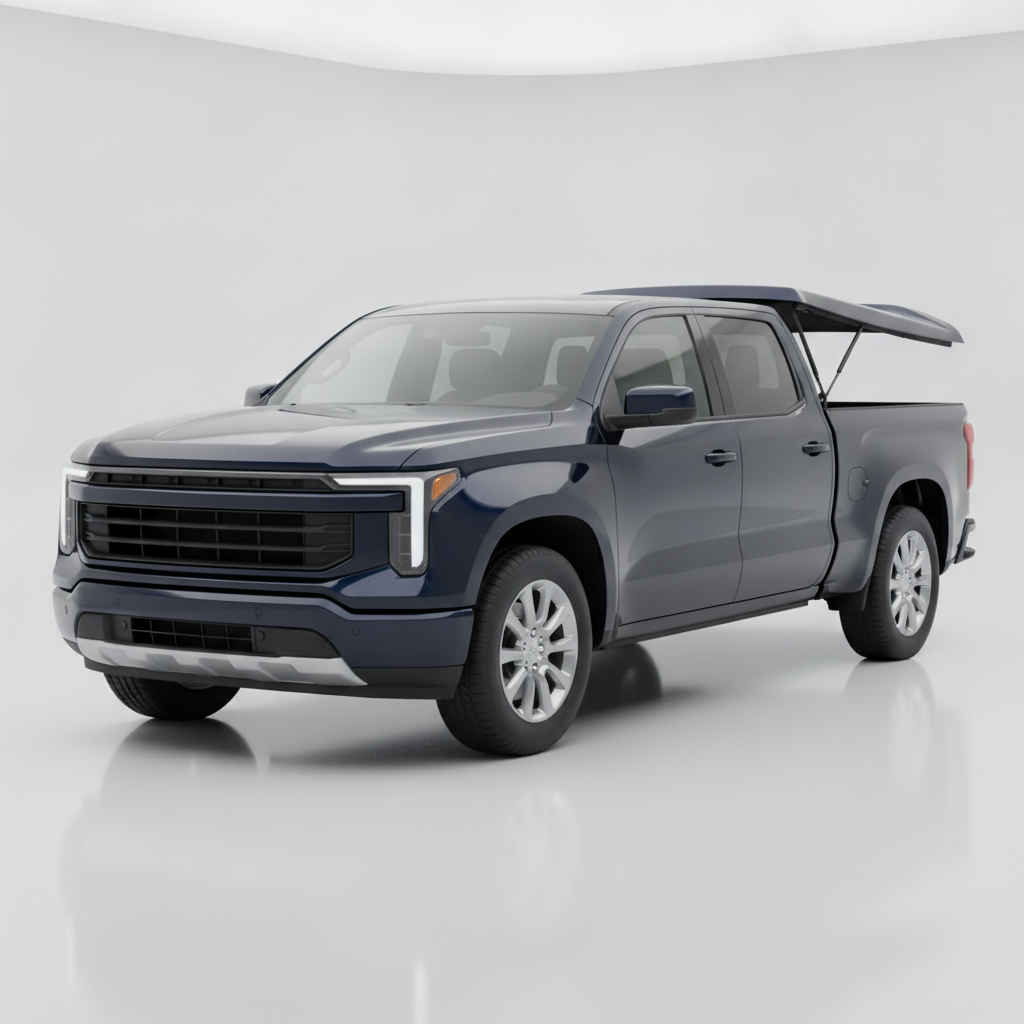
Domestically assembled vehicles are the clearest beneficiaries of the current trade environment. The [Ford F-150](/cars/ford-f-150) (from $38,810, 20 MPG combined) and the [Chevrolet Silverado](/cars/chevrolet-silverado) (from $37,000, 21 MPG combined) remain America's best-selling vehicles in part because their deep North American production roots insulate them from the worst tariff exposure. Step down to mid-size and the value proposition sharpens: the [Chevrolet Colorado](/cars/chevrolet-colorado) starts around $31,000 and delivers a capable, everyday truck without the import-duty overhang that burdens European alternatives at similar price points. On the passenger car side, the [Honda Accord](/cars/honda-accord) — assembled in Marysville, Ohio — starts at $28,990 and returns up to 48 MPG in hybrid trim, making it one of the most cost-efficient choices in a market where fuel and financing costs are both moving in the wrong direction.
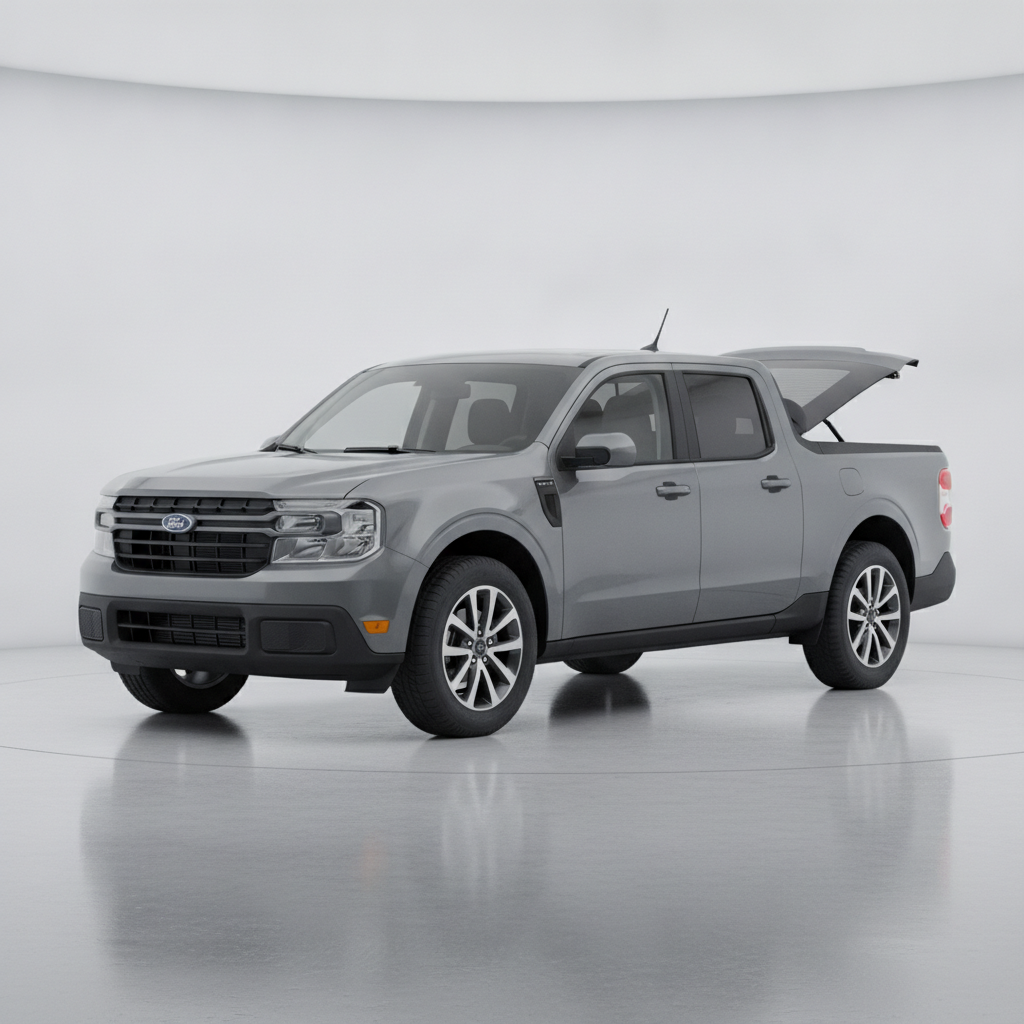
Rising rates amplify every dollar of sticker price, which makes keeping loan principal low more important than it has been in years. Finance a $45,000 vehicle over 60 months at roughly 7% and your monthly payment runs close to $890 — noticeably higher than the same loan at 5% would have been two or three years ago. The [Ford Maverick](/cars/ford-maverick) (from $28,500) attacks that problem on two fronts simultaneously: its standard hybrid powertrain delivers 38 MPG combined, cutting ongoing fuel costs, while its sub-$30,000 base price keeps the loan principal — and therefore the rate exposure — manageable. The [Subaru Outback](/cars/subaru-outback) (from $29,010, 29 MPG combined, assembled in Lafayette, Indiana) occupies the same sweet spot. Both vehicles keep total monthly ownership cost within reach even as rates continue to tick upward.
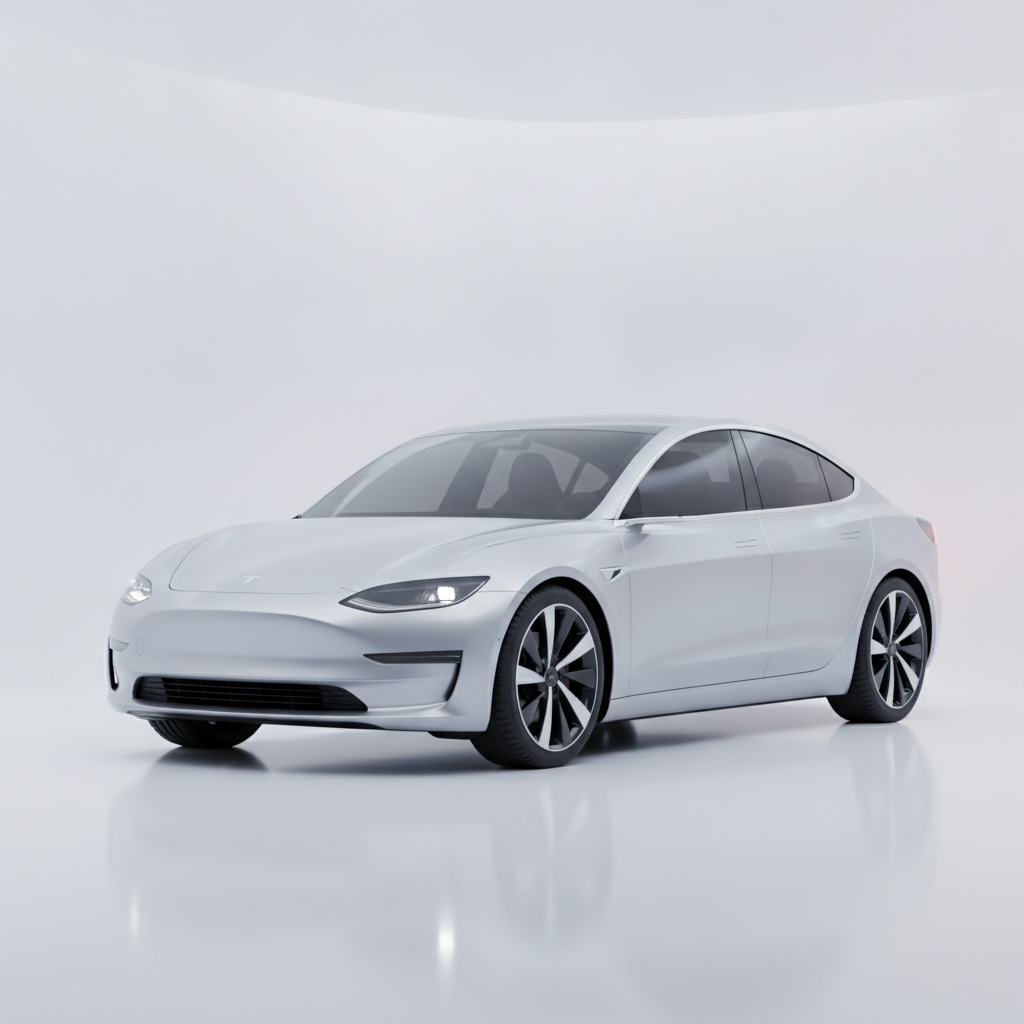
For buyers who can absorb a higher upfront price, domestically manufactured EVs offer a distinct hedge against both tariff risk and ongoing fuel cost volatility. The [Tesla Model 3](/cars/tesla-model-3) (from $42,490, 132 MPGe) and [Tesla Model Y](/cars/tesla-model-y) (from $44,990, 123 MPGe) are built in the United States and carry no meaningful cross-border tariff exposure. At current electricity rates, the per-mile running cost of a fully electric vehicle typically runs 40 to 60 percent below that of a comparable gasoline model — savings that compound significantly over three to five years of ownership. The [Ford Mustang Mach-E](/cars/ford-mustang-mach-e) (from $37,000, 98 MPGe) is a domestically produced alternative that comes in below the $38,000 threshold; buyers should confirm current federal EV tax credit eligibility before signing, as credit availability continues to shift with model-year and income rules.
The practical takeaway for July 2026 is straightforward: prioritize origin and efficiency when every macro signal is pointing toward higher costs. Imported European luxury sedans and SUVs carry real tariff uncertainty that is unlikely to resolve before year-end, and elevated rates make their already-high sticker prices even more expensive to carry. High financing costs also make loan principal more consequential than ever — every $5,000 trimmed from a purchase price saves roughly $99 per month over a 60-month loan at current rates. If your budget tops out near $30,000, the Ford Maverick hybrid and Honda Accord hybrid are the clearest value propositions in today's market. If you have flexibility above $42,000, the Tesla Model 3 sidesteps tariff and fuel risk simultaneously. Where you can wait on an imported luxury purchase, it is worth doing — there is a chance trade talks bring relief later in 2026, but no certainty on timing.