Sticker Shock Nation: 5 Car Buys That Hold Up in July 2026
The average new vehicle now costs over $50,000, trade deal uncertainty is rattling supply chains, and the Fed isn't budging on rates — making this the most complex car-buying moment in years, but the right models still add up.
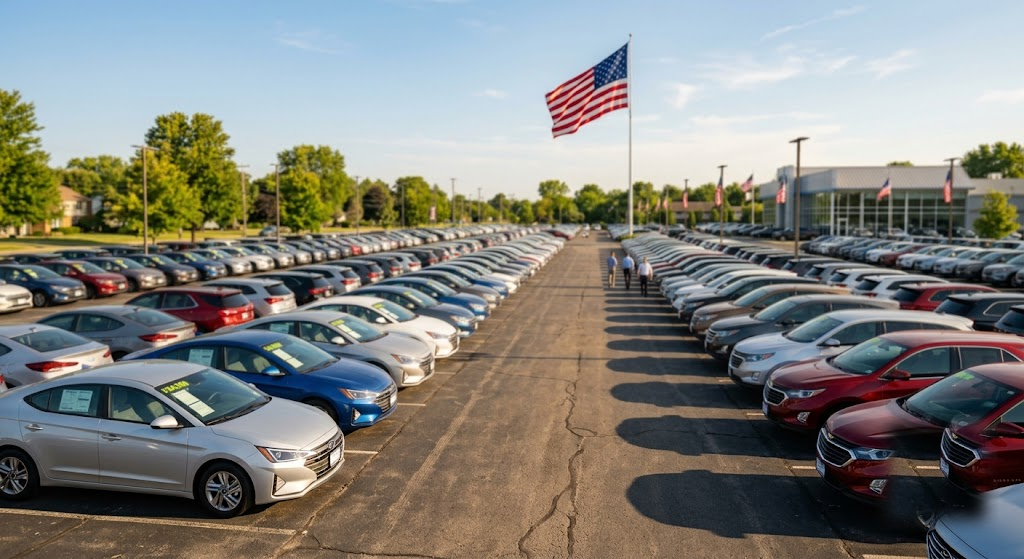
The average price of a new vehicle sold in the United States has crossed $50,000 — a figure that compresses three converging economic forces into one uncomfortable sticker. First, tariff escalation under the current trade policy framework continues to push up the cost of imported parts and finished vehicles, with manufacturers in a perpetual state of cost recalculation. Second, the fate of the USMCA trade deal remains unresolved heading into the second half of 2026, leaving automakers and their suppliers deeply uncertain about duties on the components and vehicles crossing the US-Mexico-Canada corridor. Third, the Federal Reserve has declined to cut interest rates, keeping auto loan financing elevated for yet another quarter. The result, as multiple analysts now project, is not a temporary pricing spike but a structural, lasting contraction in US car sales — driven by an affordability ceiling that is compressing demand at nearly every price point.
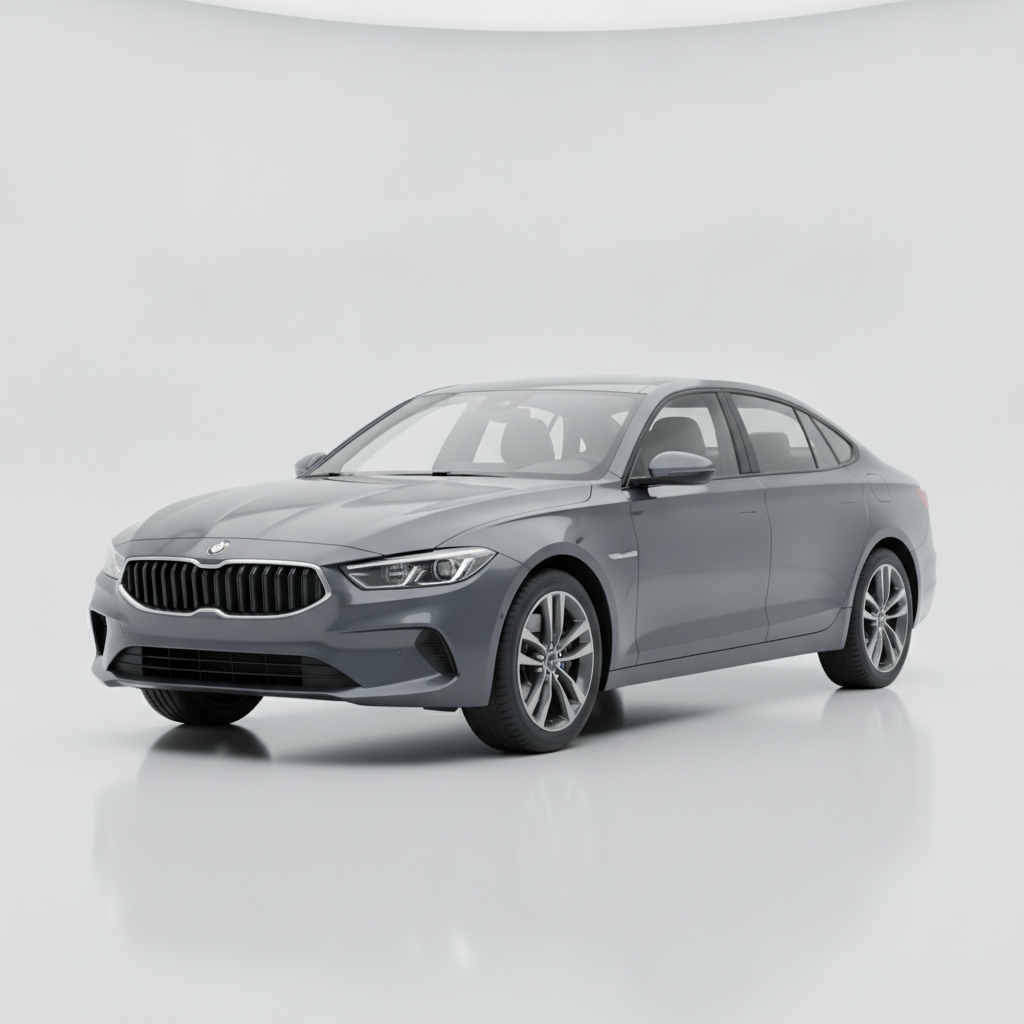
The USMCA uncertainty is the most acute near-term risk for buyers eyeing imported or internationally sourced vehicles. European luxury models face a double exposure: they sit entirely outside USMCA protections and are subject to separate tariff considerations. The [Audi A4](/cars/audi-a4), starting at around $42,000, and the [BMW 3 Series](/cars/bmw-3-series), from approximately $45,950, both carry manufacturing cost structures that are vulnerable to further tariff pass-through. The [Mercedes-Benz C-Class](/cars/mercedes-benz-c-class), from roughly $47,900, is in the same position. These are genuinely excellent cars, but buyers considering them should understand that today's MSRP may represent a floor rather than a ceiling if trade friction intensifies through year-end. If you are committed to a European nameplate in this range, moving promptly rather than waiting for a discount that may not arrive is the more rational calculation.
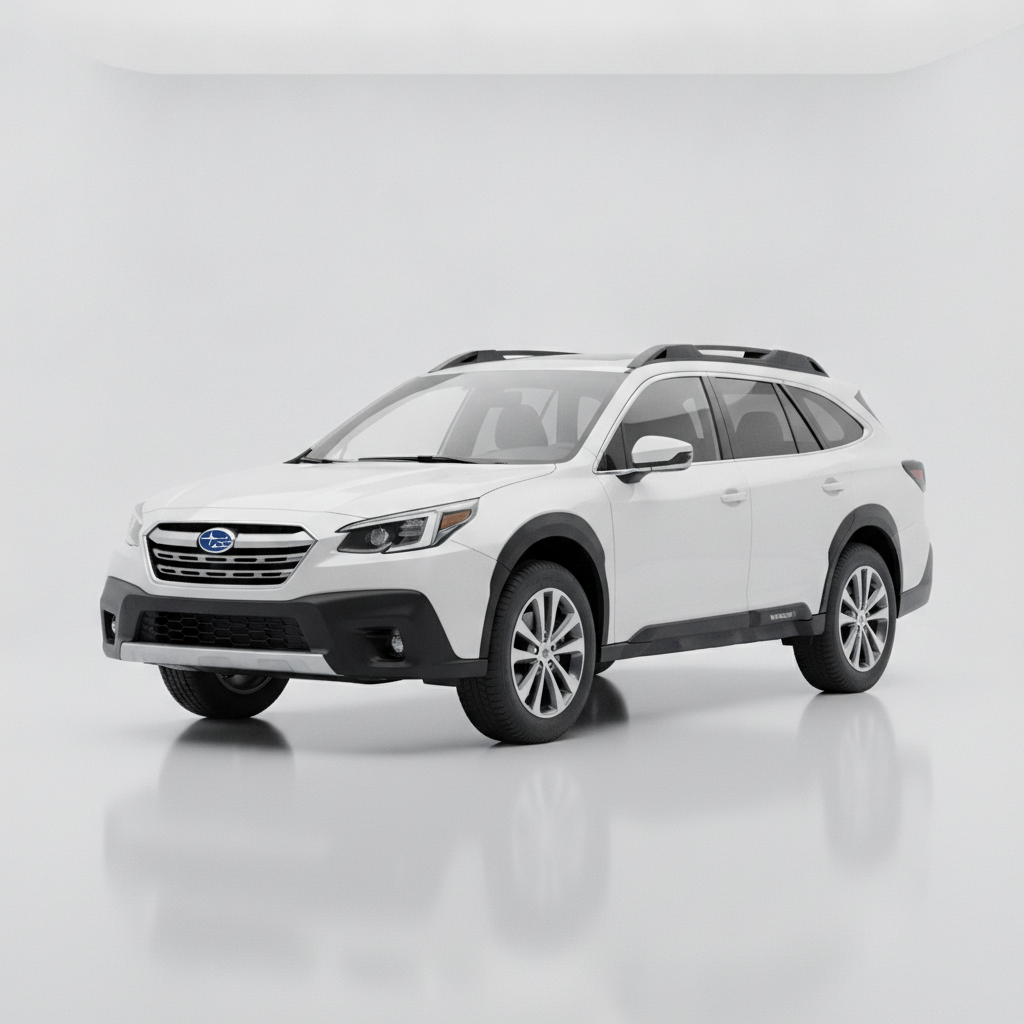
With the Fed holding rates steady, auto loan economics remain a serious headwind. A buyer financing $45,000 over 60 months at current market rates — which have held in roughly the 7–8% APR range for well-qualified borrowers — faces monthly payments that can approach or exceed $900. That math makes a compelling case for keeping the loan principal as low as possible. The [Honda Civic](/cars/honda-civic), starting at $24,250 with 36 MPG combined, and the [Subaru Outback](/cars/subaru-outback), from $29,010 at 29 MPG combined, are two of the most financially rational vehicles in the current market. Both sit below the rapidly vanishing sub-$30,000 threshold, both carry strong reliability reputations that reduce total ownership cost, and both benefit from smaller loan balances that meaningfully blunt the effect of elevated interest rates across a five-year financing term.
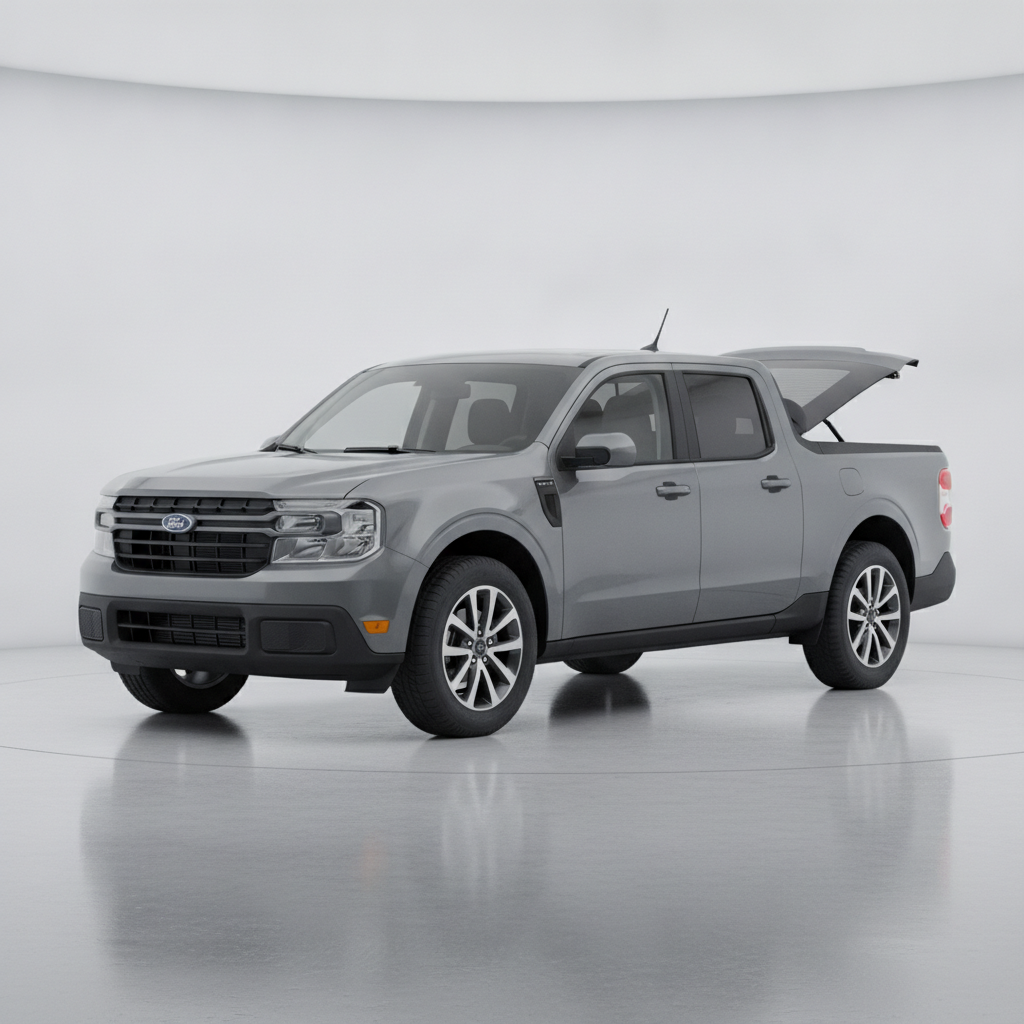
Fuel costs add a second dimension to the ownership calculation. Oil price volatility remains a fixture of the 2026 economic landscape, making MPG figures more than spec-sheet decoration — they are a direct hedge against an unpredictable running cost. The [Ford Maverick](/cars/ford-maverick) hybrid, from $28,500 at 38 MPG combined, delivers compact truck utility at near-sedan fuel efficiency, making it one of the sharpest value propositions in the market. The [Honda Accord](/cars/honda-accord) hybrid, from $28,990 at 48 MPG combined, is among the most efficient non-EV family sedans available. For buyers ready to go fully electric, the [Tesla Model 3](/cars/tesla-model-3), at $42,490 and 132 MPGe, eliminates the pump equation entirely — though buyers should verify current federal EV credit eligibility, which can alter the effective price meaningfully. The [Ford Mustang Mach-E](/cars/ford-mustang-mach-e), from $37,000 at 98 MPGe, is another strong electric option, but its Mexican assembly warrants monitoring as tariff developments unfold in the second half of 2026.
Domestic assembly remains the clearest structural protection against further tariff-driven price increases, and several American-built models offer real value in the current environment. The [Chevrolet Colorado](/cars/chevrolet-colorado), from $31,000 at 20 MPG, is the most accessible new pickup from a domestic brand with US production. The [Chevrolet Silverado](/cars/chevrolet-silverado), starting around $37,000, and the [Ford F-150](/cars/ford-f-150), from $38,810, both benefit from deep domestic supplier networks and US assembly that insulates them from USMCA-related tariff exposure. At the higher end of the mainstream segment, the [Lexus ES](/cars/lexus-es) — starting at $43,000 and rated at 44 MPG combined in hybrid form — stands out for a different reason: Japanese manufacturing paired with one of the industry's strongest long-term reliability records and a hybrid drivetrain that compounds fuel savings over a typical five-year ownership cycle.
The practical takeaway for any buyer entering a showroom this July is direct: check the country of origin on the window sticker before you fall in love with the trim level, calculate the total financing cost at current rates rather than anchoring on the monthly payment, and let fuel efficiency factor into your decision if your annual mileage justifies it. The $50,000 average is a headline number — excellent vehicles still exist well below it, but finding them requires discipline. Rates are unlikely to drop materially before the end of 2026, so waiting for cheaper financing is a losing strategy for most buyers. The smarter move is matching the vehicle's cost structure to the macro environment: domestically assembled where possible, fuel-efficient enough to hedge against oil price swings, and modestly priced enough that elevated borrowing costs do not turn a good car into a bad financial decision.