July 4th Car Hunt: Beat the $50K Average With These 5 Picks
With average new-vehicle prices brushing $50,000 and trade policy still unsettled, the July 4th car-buying weekend demands a sharper strategy than ever.

The U.S. auto market entered July 2026 carrying a weight that even seasoned analysts are finding difficult to dismiss: the average transaction price for a new vehicle has climbed to roughly $50,000, a milestone confirmed by industry data cited in coverage published this week. That figure arrives alongside two other uncomfortable realities—analysts are now forecasting a lasting decline in U.S. car sales driven by an affordability crisis, and the USMCA trade framework underpinning tariff-free commerce between the U.S., Mexico, and Canada faces an uncertain future without a confirmed extension. Inflation has pushed above 4%, and with the Federal Reserve under reduced political pressure to cut rates aggressively, auto loan borrowing costs are holding stubbornly high heading into the holiday weekend. For buyers on dealership lots this July 4th, the macro backdrop is genuinely complex—but it also creates specific, exploitable opportunities for shoppers who understand what is actually driving prices upward.
The most direct risk for buyers eyeing imported vehicles is tariff exposure. European luxury models assembled outside USMCA territory face the clearest pricing uncertainty right now. The [Audi A4](/cars/audi-a4) (from $42,000, 27 MPG combined) is built in Ingolstadt, Germany; the [BMW 3 Series](/cars/bmw-3-series) (from $45,950, 30 MPG combined) comes out of Munich; and the [Mercedes-Benz C-Class](/cars/mercedes-benz-c-class) (from $47,900, 28 MPG combined) is produced in Germany and South Africa—placing all three entirely outside any USMCA protection. Dealers have absorbed some tariff costs to date to keep transaction prices competitive, but further escalation—or a hard USMCA deadline passing without resolution—could push real-world transaction prices on these models noticeably higher before year-end. Buyers seriously considering a European luxury sedan should factor that risk explicitly into their timing and their negotiating floor, not treat it as a distant hypothetical.
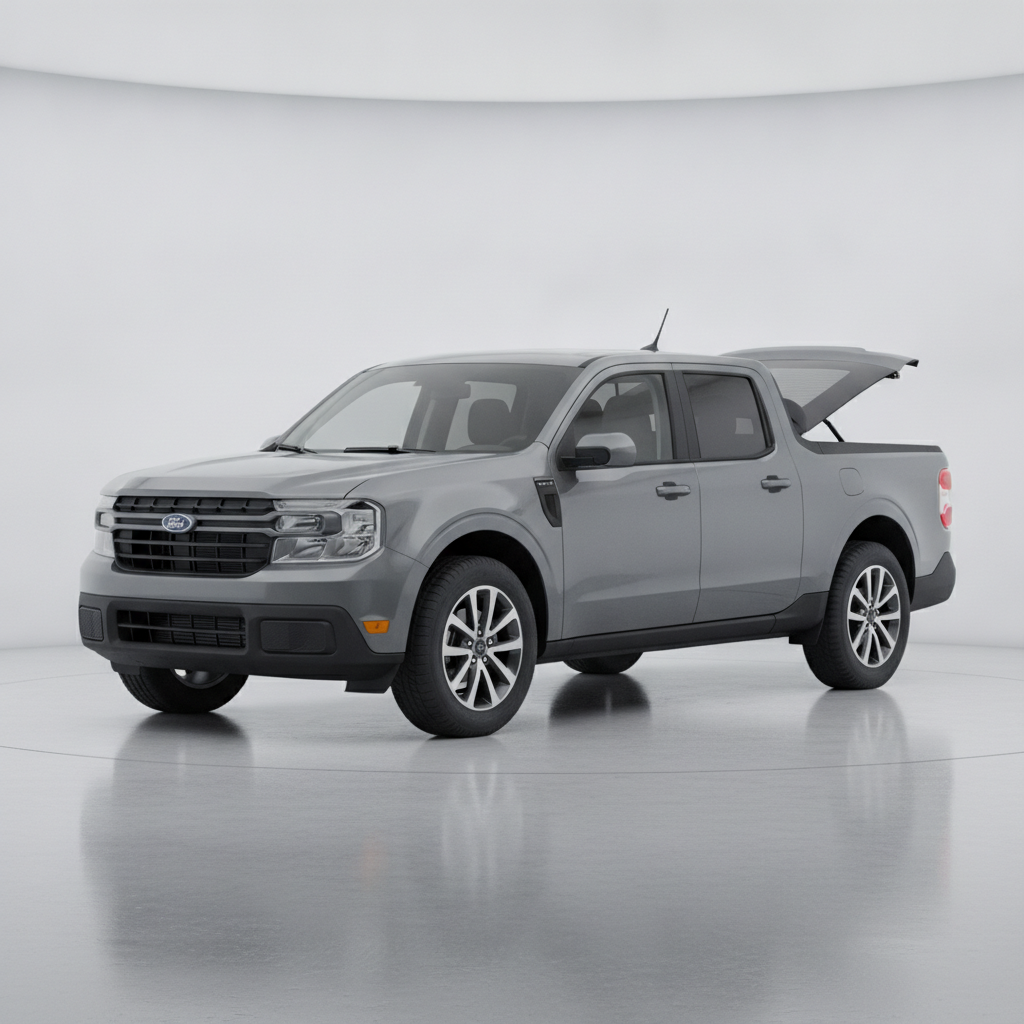
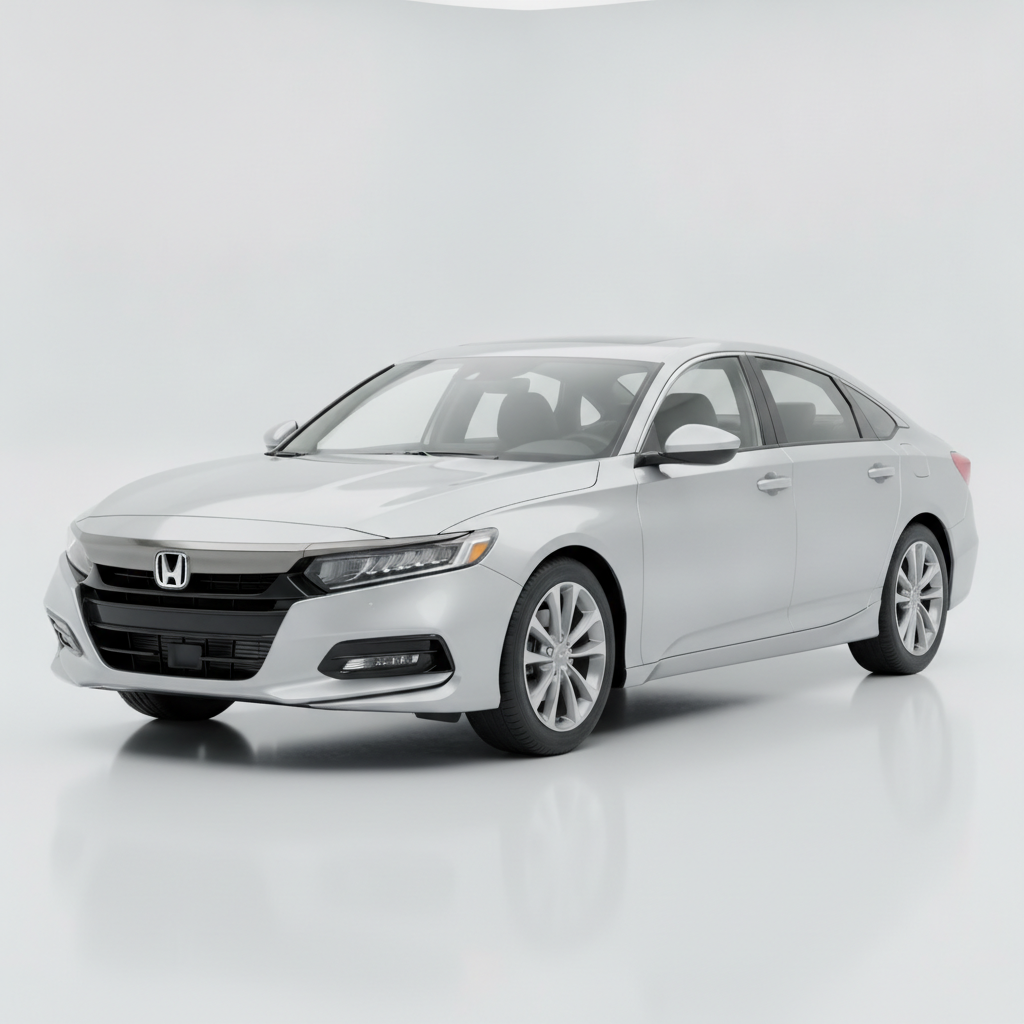
The financing environment tightens the vice further. At roughly 7–8% APR on new-vehicle loans for well-qualified buyers, a $50,000 purchase financed over 60 months carries a monthly payment approaching $1,000 before insurance or maintenance. That math is pushing buyers sharply toward value-priced, fuel-efficient models. The [Ford Maverick](/cars/ford-maverick) ($28,500 starting, 38 MPG combined in hybrid trim, assembled in Hermosillo, Mexico) and the [Honda Accord](/cars/honda-accord) ($28,990 starting, 48 MPG combined in hybrid form, assembled in Marysville, Ohio) represent the strongest intersection of affordable monthly payment and low running costs available in the current market. The Accord hybrid alone saves an estimated $700–$900 annually over a 20 MPG vehicle at today's fuel prices—a meaningful offset against elevated financing costs. The [Subaru Outback](/cars/subaru-outback) ($29,010 starting, 29 MPG combined) rounds out the under-$30K value band with the added advantage of assembly in Lafayette, Indiana, which removes any import tariff exposure from the equation entirely.
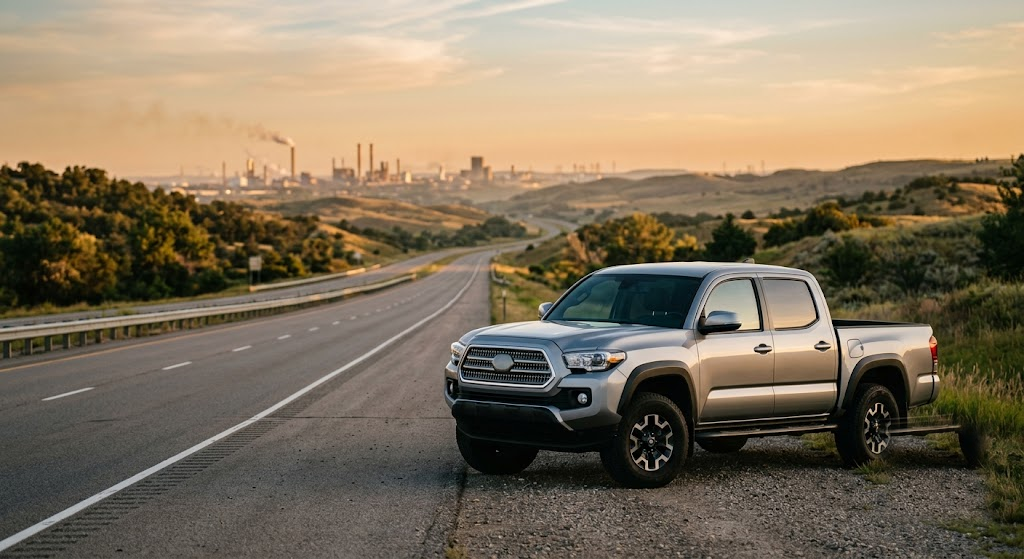
For buyers who need more cabin space than a compact sedan or small truck can deliver, domestically assembled SUVs provide the soundest hedge against ongoing trade uncertainty. The [Chevrolet Equinox](/cars/chevrolet-equinox) ($29,995 starting, 28 MPG combined) is one of the last genuinely sub-$30,000 five-seat SUVs still in production—a notable distinction in a $50K-average market. The [Ford Escape](/cars/ford-escape) ($30,990 starting) steps up slightly in price but returns a class-leading 37 MPG combined in hybrid trim, making it a compelling ownership value once five years of fuel savings are factored against the sticker. Truck buyers will find the [Chevrolet Colorado](/cars/chevrolet-colorado) ($31,000 starting, assembled in Wentzville, Missouri) a well-positioned domestic alternative—full midsize capability at roughly $7,000 below the current average transaction price, with no European supply-chain exposure whatsoever.
Electric vehicles deserve a separate calculation under 4%-plus inflation, because they trade a higher purchase price for dramatically lower fuel and maintenance costs that compound over time. The [Tesla Model 3](/cars/tesla-model-3) ($42,490 starting, 132 MPGe, assembled in Fremont, California) carries no import tariff risk and may still qualify for federal EV tax credits, potentially lowering the effective out-of-pocket cost to around $35,000 for eligible buyers. Annual electricity costs for a Model 3 at typical U.S. residential rates run approximately $600–$800, versus $1,800–$2,200 for a comparable 30 MPG gasoline sedan—a gap of $1,000–$1,400 per year that meaningfully softens elevated loan rates over a standard five-year ownership term. Buyers with longer ownership horizons and home-charging access will find the total cost of ownership case for domestically built EVs genuinely stronger under current macro conditions than it was two years ago.
The practical takeaway for this July 4th weekend is straightforward: falling U.S. car sales mean dealers are carrying more inventory and are under stronger pressure to move units, which translates into real negotiating room for buyers who show up informed and prepared. Prioritize vehicles with U.S. or North American assembly to minimize tariff exposure; keep your financed amount well below the $50,000 average to stay comfortable under current rate conditions; and run a full five-year total cost of ownership estimate—covering fuel, insurance, and scheduled maintenance—before comparing sticker prices head to head. The buyers who look back on this holiday weekend as a smart moment to have purchased will be the ones who used the macro turbulence to negotiate harder, not the ones who ignored it.