Inflation, Insurance & Rates: 5 Cars That Still Pencil Out
Average new-car prices are closing in on $50,000, inflation just hit a three-year high, and the tariffs meant to protect American automakers are backfiring — here is exactly which models still make financial sense right now.

The Federal Reserve is under growing pressure to raise interest rates after inflation climbed to a three-year high in mid-2026, even as the average price of a new vehicle in the U.S. has pushed toward the $50,000 mark — a threshold that would have been unthinkable for mainstream buyers a decade ago. Recent reports confirm that monthly car payments and auto insurance premiums have both hit record levels simultaneously, squeezing family budgets from two directions at once. Meanwhile, the tariff policy designed to protect American automakers is producing the opposite effect in practice: manufacturers are absorbing billions in unexpected costs on imported components, with those costs flowing downstream to the window sticker. The result is a market that is simultaneously expensive to enter and dangerous to overpay in.
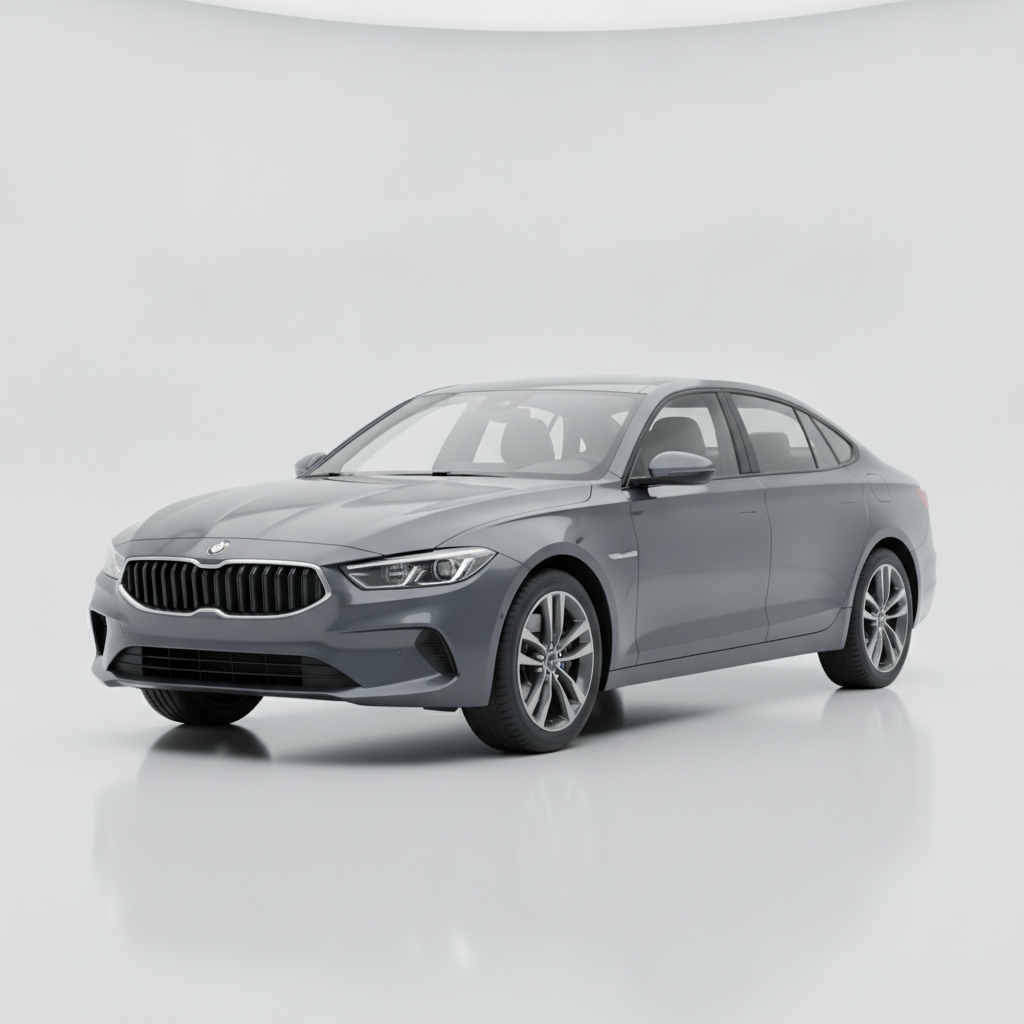
The USMCA trade deal's uncertain status adds a layer of risk that most buyers never factor into a purchase decision. Vehicles assembled in the U.S., Mexico, and Canada have benefited from duty-free status under that agreement, but without a confirmed extension the framework remains in limbo heading into the second half of the year. For buyers drawn to European luxury — the [BMW 3 Series](/cars/bmw-3-series) starts at $45,950, the [Audi A4](/cars/audi-a4) at $42,000, and the [Mercedes-Benz C-Class](/cars/mercedes-benz-c-class) at $47,900 — the tariff calculus is particularly unfavorable. These vehicles carry no USMCA protection and face ongoing duty exposure that manufacturers have already been partially passing through in sticker prices. With car affordability emerging as a genuine political flashpoint ahead of the 2026 midterms, there is little sign that meaningful relief from Washington is coming quickly.
Here is the ownership math that actually matters. Financing a $50,000 vehicle at rates hovering near 7–8% over 72 months produces monthly payments in the range of $900–$1,000 before insurance — which has surged alongside repair and replacement costs industry-wide. That combined monthly burden is pushing rational buyers toward two strategies: going smaller on the sticker price to reduce both financing and insurance exposure, or going electric to dramatically reduce the fuel and maintenance line. Both approaches have specific models worth acting on today rather than waiting.
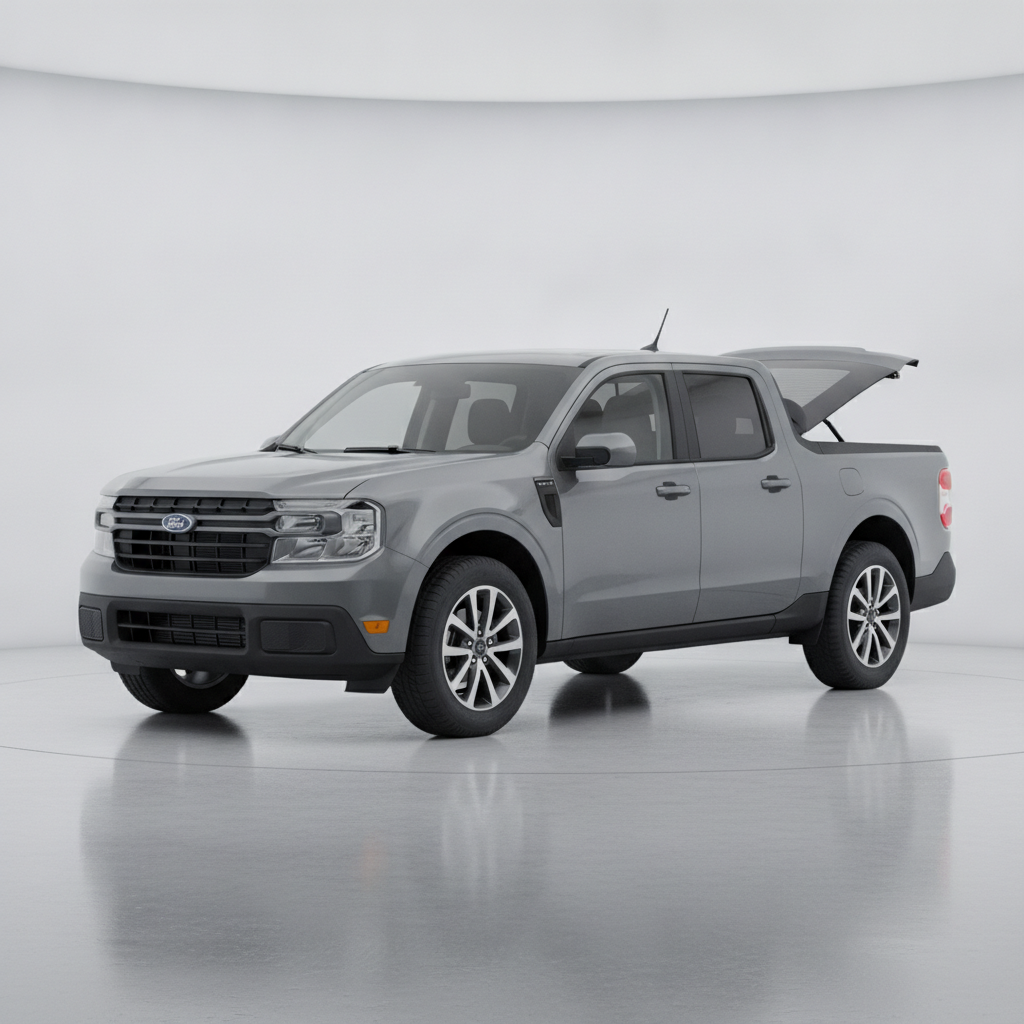
For buyers who need to stay well below the national average, two vehicles stand out clearly. The [Ford Maverick](/cars/ford-maverick) (from $28,500 in hybrid trim, 38 MPG combined) is one of the most efficient and domestically practical buys in the market — a hybrid pickup that benefits from USMCA rules-of-origin provisions and keeps fuel costs minimal during a period of oil price uncertainty. The [Honda Civic](/cars/honda-civic) (from $24,250, 36 MPG combined) is the clearest pure-value play at the lower end: high reliability ratings translate to modest insurance premiums, and a sticker nearly half the national average leaves meaningful room to absorb higher borrowing costs. For those needing more utility, the [Subaru Outback](/cars/subaru-outback) (from $29,010, 29 MPG combined) and the [Chevrolet Equinox](/cars/chevrolet-equinox) (from $29,995, 28 MPG combined) both deliver genuine versatility without crossing into the financing-cost territory where every rate tick compounds painfully.
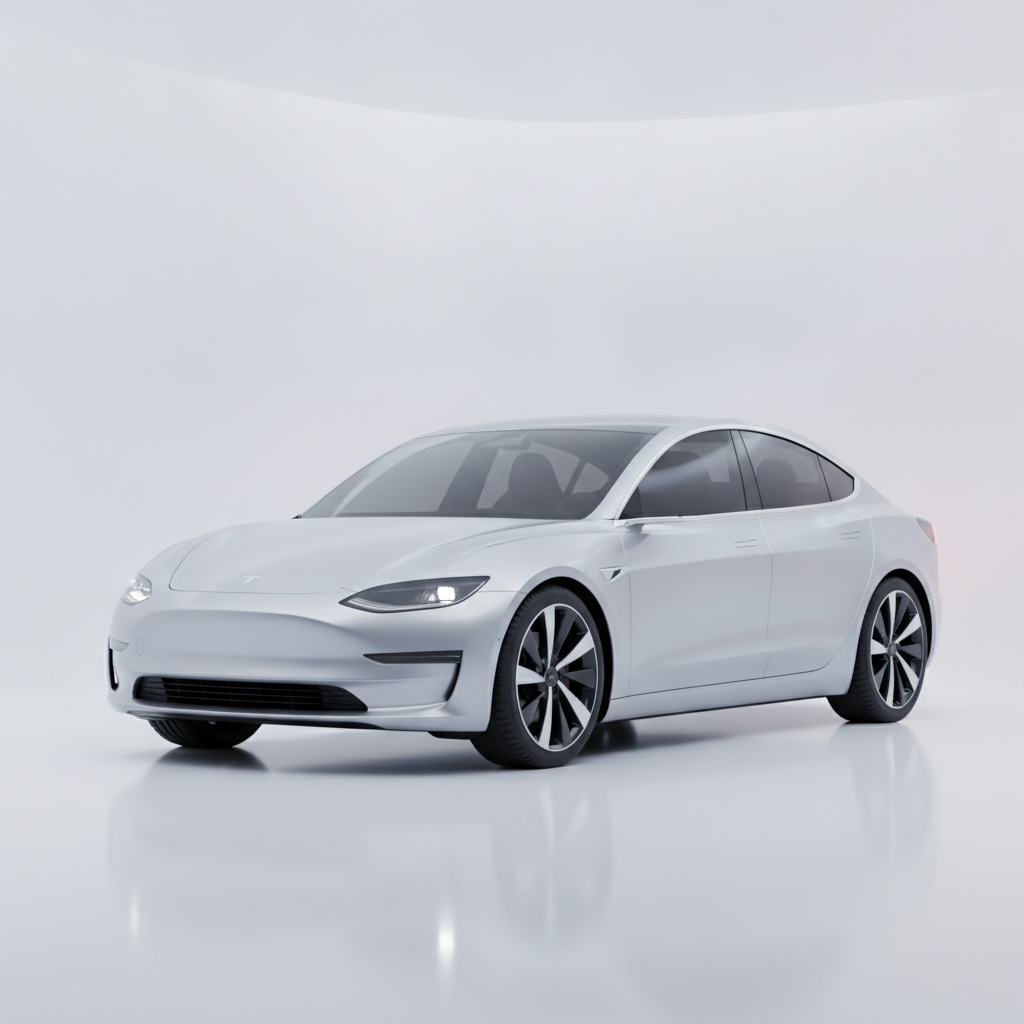
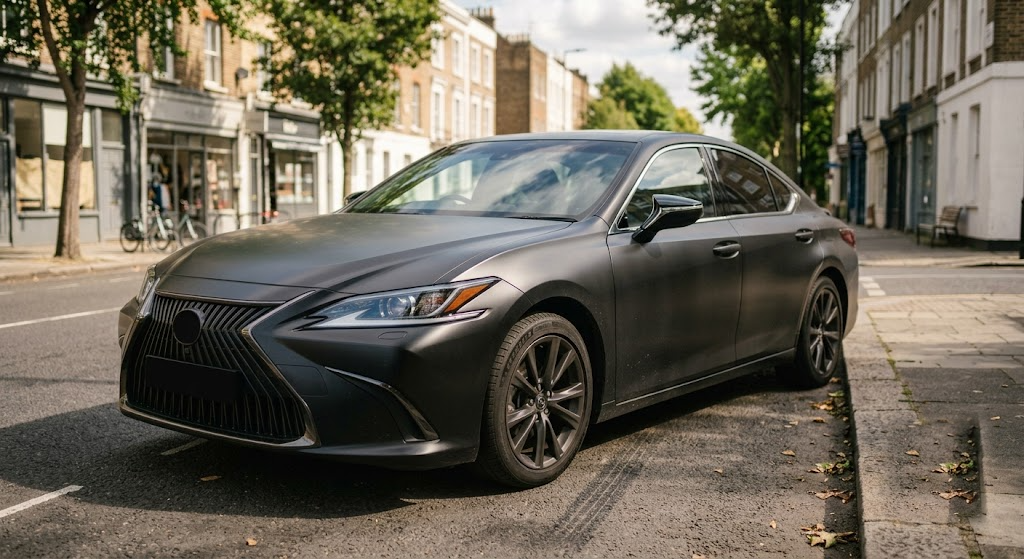
If your budget stretches into the low-to-mid $40s, the calculus shifts toward electrics and efficient hybrids that trade a higher sticker for dramatically lower running costs over time. The [Tesla Model 3](/cars/tesla-model-3) (from $42,490, 132 MPGe equivalent) sidesteps gasoline price volatility entirely — particularly relevant as oil prices remain a significant wildcard in the economic forecast through 2031 — and carries no tariff exposure given its domestic production footprint. The [Lexus ES](/cars/lexus-es) (from $43,000, up to 44 MPG in hybrid trim) threads a different needle: near-luxury refinement at a price just above the national average, with fuel economy that meaningfully undercuts the $62,000 [Mercedes-Benz E-Class](/cars/mercedes-benz-e-class) and the $45,950 [BMW 3 Series](/cars/bmw-3-series) at the pump over a standard five-year ownership period.
The practical takeaway for July 2026 is this: the current economic environment rewards specificity over paralysis. Choosing a domestically assembled vehicle with a hybrid or electric drivetrain insulates you from three of the four major cost pressures at once — tariff pass-through, fuel price volatility, and elevated insurance on high-value vehicles. If you are financing, keep the loan term at 60 months or shorter and target a sticker well below $45,000 to keep monthly payments manageable against the backdrop of a potential Fed rate increase. Waiting for prices to fall substantially is not a reliable strategy: the structural forces behind the $50,000 average — parts tariffs, elevated labor costs, and reduced dealer discounting — show no signs of reversing in the near term. The window for smart buying is open right now.