PV Sales Set to Rise 6%: 5 Smart Buys Before the Market Tightens
With India's GDP upgraded to 6.8% and passenger vehicle sales projected to climb 4-6% in FY27, the buying window is open right now — but rising demand and global supply chain risks mean it will not stay that way for long.
Goldman Sachs raised its India GDP growth forecast to 6.8% for FY27 in late June 2026, citing the steady fading of the oil-price shock that had weighed on Asia's third-largest economy through much of the year. The upgrade arrived almost simultaneously with industry projections that India's passenger vehicle market would expand 4-6% in FY27, and was reinforced by RBI Governor Sanjay Malhotra's explicit signal that rate-hike discussions are premature. Taken together — accelerating growth, firm PV demand, and stable borrowing costs — these three data points set an unusually constructive backdrop for anyone in the market for a new car right now.
Not every signal points in the same direction, however. In early July, the UK's Society of Motor Manufacturers and Traders issued a fresh warning about automotive supply chain risks stemming from UK-EU trade dynamics, while separate industry analyses flagged invisible disruption risks lurking in global logistics networks. For Indian car buyers, this matters because a meaningful slice of the market — from premium CBU imports to vehicles dependent on overseas electronic modules — carries latent exposure to supply-chain volatility. When those risks materialise, the first effects are typically price increases on affected models or elongated delivery timelines, both of which punish buyers who waited.
The financing environment is, by contrast, as calm as it has been all year. With the repo rate on hold and no imminent hike signalled, auto loan rates from major lenders are running in the approximate 8.5%-9.5% range. On a ₹12 lakh loan over five years, that translates to a monthly EMI of roughly ₹24,000-₹26,000 — a level unlikely to rise materially before FY27 Q3 at the earliest. Fuel costs have also eased alongside softer crude oil prices, improving the total-cost-of-ownership equation for petrol and petrol-hybrid models relative to a year ago. The combination of predictable EMIs and stable pump prices is a buying window that hesitant buyers would be wise to use rather than test.
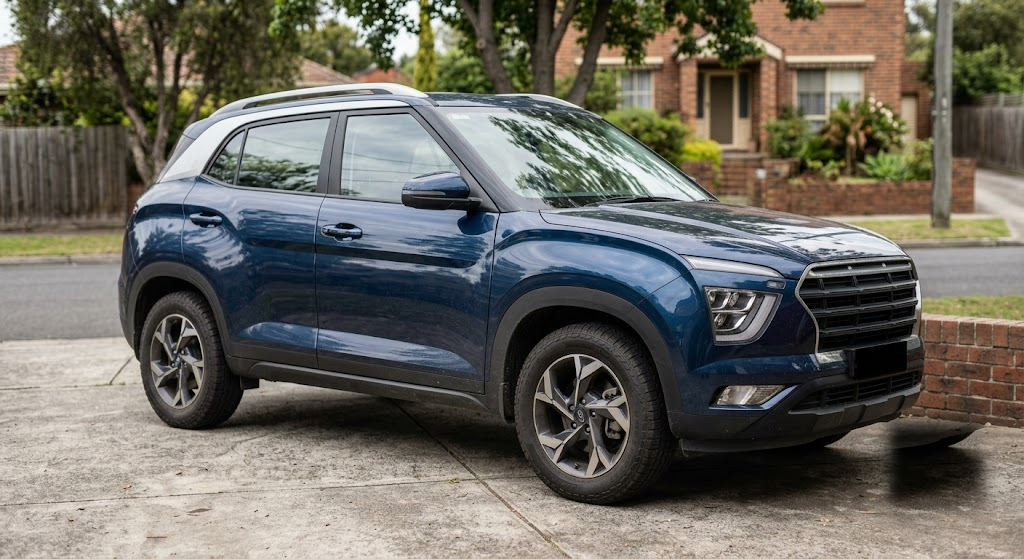
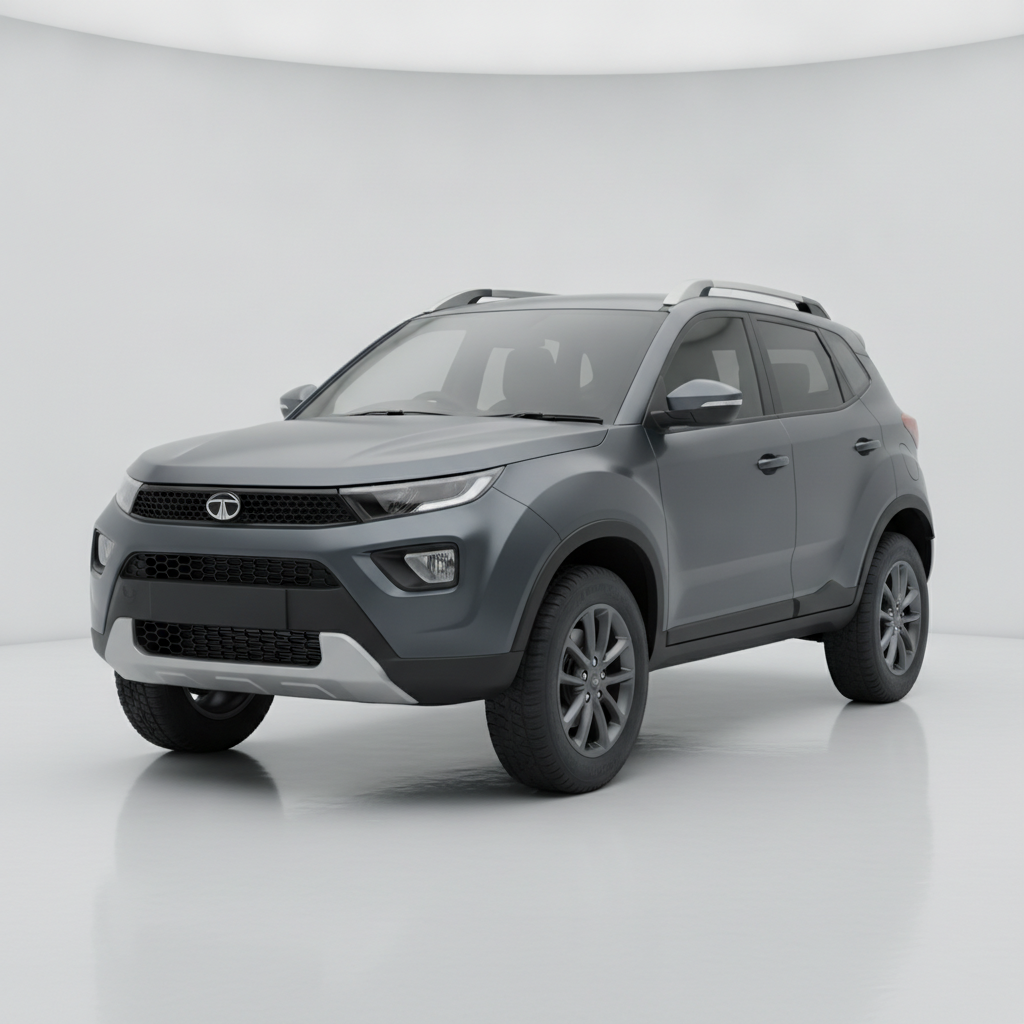
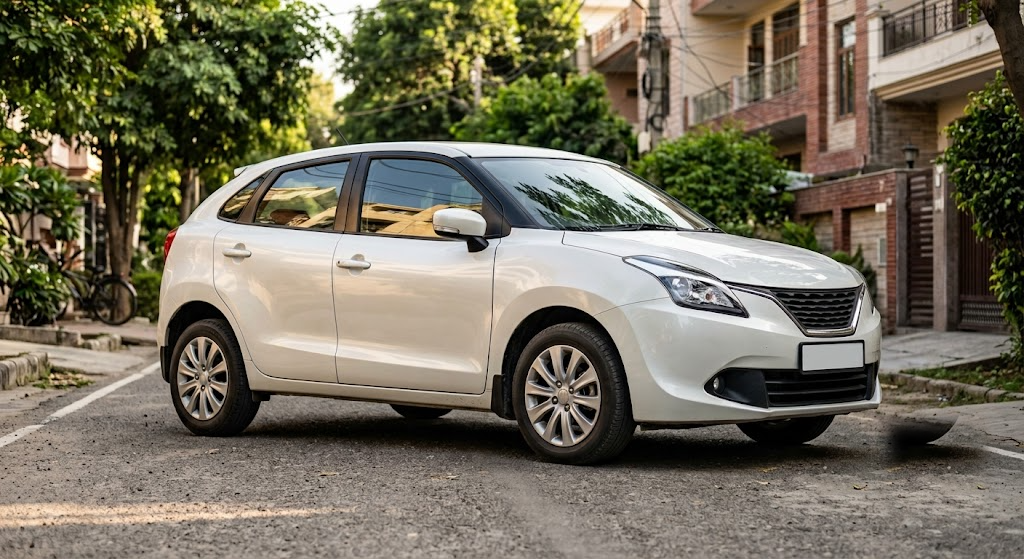
For buyers who want maximum insulation from import-linked cost risk, domestically assembled models are the logical choice. The [Hyundai Creta](/cars/hyundai-creta) (from ₹11 lakh, ~17.4 kmpl in petrol) and the [Kia Seltos](/cars/kia-seltos) (from ₹10.99 lakh, up to ~20.7 kmpl in mild-hybrid trim) are both manufactured in India, have robust dealer networks, and rely on mature local parts ecosystems — all factors that make them resilient to the kind of global logistics disruptions currently flagged by industry bodies. The [Tata Nexon](/cars/tata-nexon) (from ₹8 lakh) earns a special mention for multi-fuel flexibility: petrol, diesel, and CNG variants from a single locally built platform give buyers genuine optionality if the fuel cost equation shifts. For budget-focused households, the [Maruti Suzuki Baleno](/cars/maruti-suzuki-baleno) (from ₹6.65 lakh, 22.35 kmpl) remains the efficiency benchmark of its segment and is entirely immune to import-chain exposure. With PV demand set to grow 4-6% across the board, top variants in these segments are likely to see tightening availability through FY27 — booking sooner rather than later is practical, not alarmist.
Buyers eyeing premium imported models need to weigh opportunity against risk more deliberately. The [Lexus ES](/cars/lexus-es) (from ₹64.2 lakh, 22.4 kmpl petrol-hybrid), the [Mercedes-Benz C-Class](/cars/mercedes-benz-c-class) (from ₹60 lakh), and the [Volvo XC40](/cars/volvo-xc40) (from ₹45 lakh) all rely on overseas supply chains to varying degrees. Easing oil prices have partially cushioned international logistics costs for now, providing a near-term buffer, but any renewed disruption — whether from geopolitical events or further UK-EU trade friction rippling through global automotive supply lines — could push ex-showroom prices higher or delay allotments. If you have been seriously considering a luxury CBU for H2 2026 delivery, the present conditions — a relatively stable rupee and softer logistics costs — represent a reasonable entry point. Confirm pricing in writing with your dealer and do not leave a booking unplaced while conditions remain benign.
The macro picture on July 2, 2026 is as buyer-friendly as India's car market has seen in several years: a rising GDP trajectory, an accommodative rate environment, easing fuel costs, and a PV market that has not yet fully tightened in response to projected demand growth. The practical playbook is straightforward — if you are targeting a locally built model, lock in your loan rate and book now before queue lengths stretch. If you are evaluating an imported luxury model, get current availability and on-road pricing confirmed today, because the supply-chain and geopolitical variables that could shift those numbers are already active in the background. The window is open; market timing in the car segment rarely gets cleaner than this.