Mahindra's Attack Mode & 5 Smart Car Buys for July 2026
With Anand Mahindra calling for accelerated growth amid global uncertainty, the repo rate frozen at 5.25%, and crude oil risk receding, Indian car buyers are sitting inside one of the more stable purchase windows of FY27 — if you know which models to target.
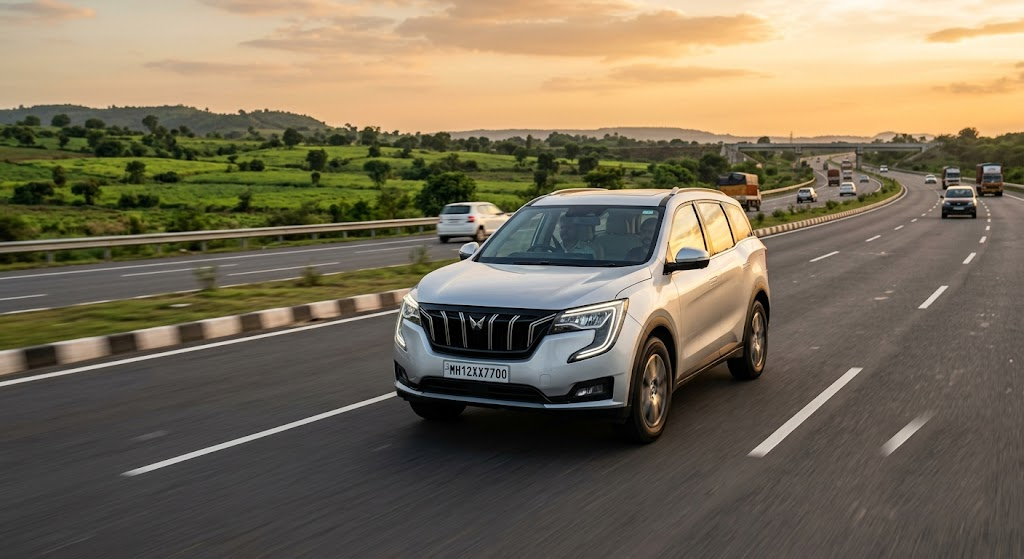
On 7 July 2026, Anand Mahindra made headlines by announcing what the company is calling its "Attack Mode" — a deliberate decision to accelerate investments and product launches even as global uncertainty persists. The macro backdrop that prompted this confidence is worth unpacking. The Reserve Bank of India held the repo rate steady at 5.25% in its June MPC meeting, simultaneously trimming its FY27 growth forecast to 6.6% and nudging its inflation projection to 5.1%. Governor Sanjay Malhotra explicitly called rate hike speculation premature, offering the credit market an unusual degree of forward visibility heading into H2 FY27. Layer on the fact that GST collections and passenger vehicle sales both posted growth in the June quarter despite global supply chain headwinds, and that easing West Asia tensions have materially reduced the tail risk on India's oil-import bill — a factor that flows directly into fuel prices and the total cost of vehicle ownership.
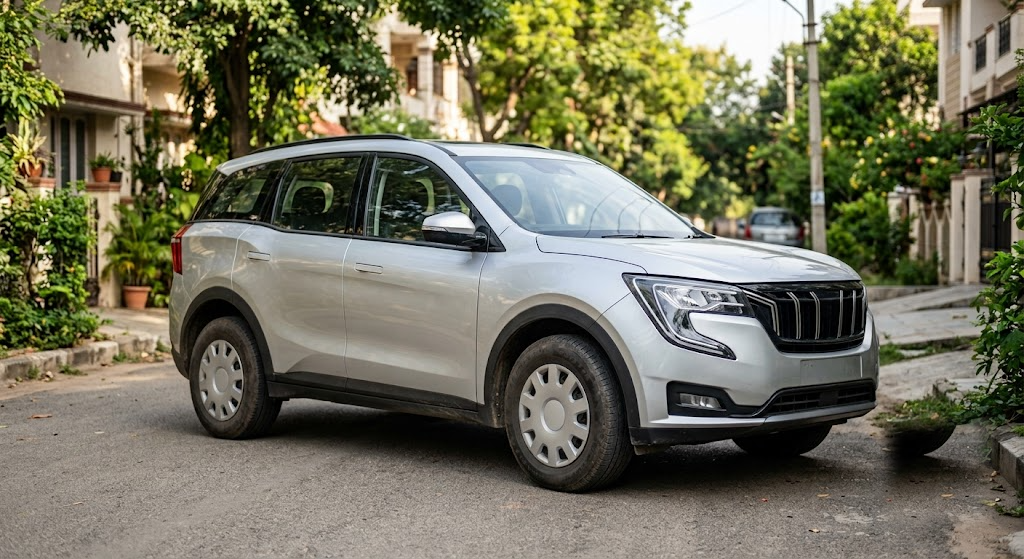
For Indian car buyers, Mahindra's "Attack Mode" is not an abstract corporate statement — it has tangible near-term implications. Faster production ramp-ups, sharper launch pricing on new variants, and improved showroom inventory are the realistic outcomes when India's most aggressive domestic automaker shifts up a gear. The [Mahindra XUV700](/cars/mahindra-xuv700), priced from ₹13.99 lakh and rated 4.3 out of 5, has consistently faced 2–4-month waiting periods on its top diesel trims. An expanded production posture is likely to ease that friction over the coming quarter. Equally, the [Mahindra Scorpio N](/cars/mahindra-scorpio-n), starting at ₹13.99 lakh, is entirely domestically assembled — shielding buyers from import duty volatility and rupee fluctuations that affect CBU vehicles. Both are compelling choices right now if your preference runs toward rugged, feature-rich SUVs backed by a manufacturer in full-throttle expansion mode.
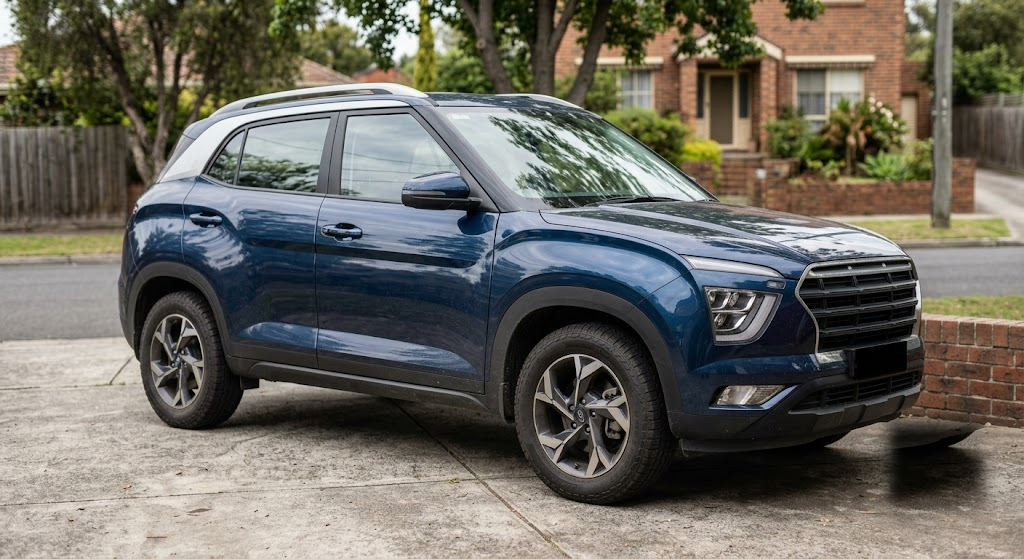
The financing picture adds to the case for acting now. With the repo rate at 5.25%, car loan rates at major banks and NBFCs are broadly in the 8.5–10% range — and Governor Malhotra's pushback on rate hike talk signals this window will likely hold through Q3 FY27. On a ₹11 lakh loan for a [Hyundai Creta](/cars/hyundai-creta) — starting at ₹11 lakh, 4.4-rated, returning 17.4 kmpl — over 60 months at approximately 9%, monthly EMIs work out to roughly ₹22,800, a figure that has stayed essentially flat for over a year. The practical risk is an inflation overshoot beyond the 5.1% projection, which could prompt a rate revision later in the fiscal year. Locking in a car loan in July 2026 therefore carries meaningfully less downside than waiting for a festive-season deal that may arrive accompanied by a rate adjustment.
The premium segment tells a more cautious story. Fresh warnings from the UK's SMMT about automotive supply chain challenges — published this very week — are a reminder that European automakers are navigating a tighter cost environment, pressures that eventually reach Indian showrooms through revised ex-showroom pricing or longer allocation timelines. The [Mercedes-Benz C-Class](/cars/mercedes-benz-c-class), priced from ₹60 lakh, and the [Volvo XC60](/cars/volvo-xc60), from ₹67.9 lakh, depend on imported components even where they are partially locally assembled; a softening rupee combined with tighter European supply chains creates a slow-burn price risk that is difficult to time precisely. For buyers seriously considering this bracket, purchasing within the current quarter is the more defensible position — Q4 FY27 risks seeing those input cost pressures crystallise into revised sticker prices.
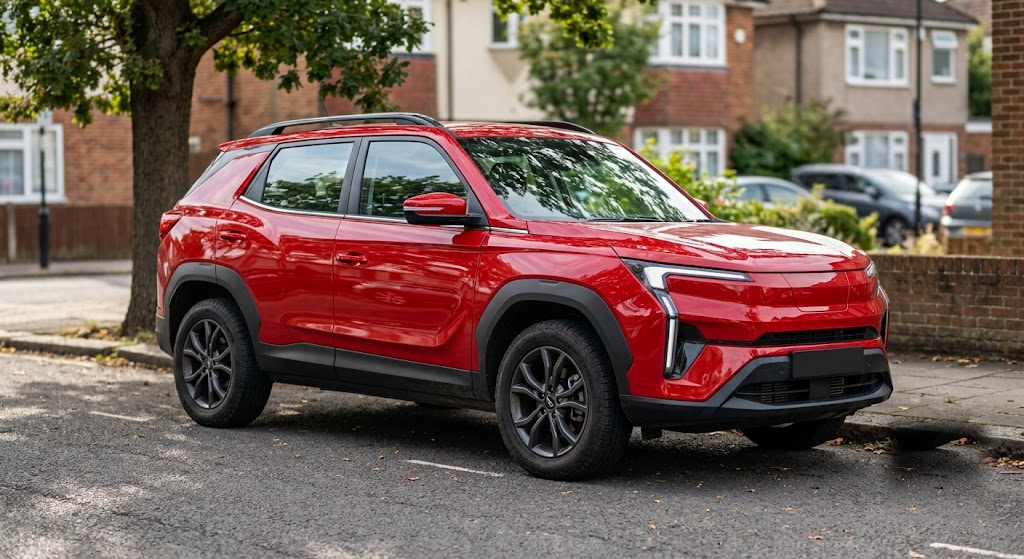
On running costs, the partial de-escalation of West Asia tensions has removed some heat from crude prices, lowering the probability of a sudden spike at Indian petrol or diesel pumps. In this environment, fuel efficiency becomes a strategic purchase criterion. The [Toyota Innova Hycross](/cars/toyota-innova-hycross) petrol-hybrid, at 21.1 kmpl and priced from ₹19.3 lakh, remains one of the most cost-effective large-family vehicles on a per-kilometre basis, with a locally manufactured hybrid system that carries zero import duty exposure. At the value end, the [Maruti Suzuki Baleno](/cars/maruti-suzuki-baleno) CNG returns an estimated 22.35 kmpl from ₹6.65 lakh, making it nearly impervious to petrol price movements. For buyers considering the EV transition, the [Mahindra BE 6](/cars/mahindra-be-6) — 490 km ARAI-certified range, from ₹18.9 lakh — is the domestic electric vehicle most likely to benefit from Mahindra's accelerated investment cycle, with faster charging network expansion and over-the-air software improvements ahead of competing platforms.
The buyer verdict for July 2026 is this: the macro conditions are more favourable than the ambient noise around global uncertainty suggests. The RBI has handed you rate stability, receding geopolitical risk has reduced the fuel-price wildcard, and Mahindra's shift into attack mode signals that India's most ambitious domestic automaker is competing aggressively for your business — which means better inventory availability, more competitive launch pricing, and stronger long-term after-sales commitment across its lineup. If your budget sits in the ₹8–22 lakh range, buying a domestically produced SUV or MUV now — the [Mahindra XUV700](/cars/mahindra-xuv700), the [Hyundai Creta](/cars/hyundai-creta), or the [Toyota Innova Hycross](/cars/toyota-innova-hycross) — locks in current borrowing costs and catches the production upswing before festive-season demand tightens supply again. For premium buyers eyeing European marques, move in this quarter rather than deferring to Q4, when the combination of supply chain headwinds and a softer rupee may have already been priced into the showroom.