Inflation 5.1%, Supply Shocks: 5 India Car Buys for July 2026
With the RBI flagging 5.1% inflation and global supply chains under fresh strain, Indian car buyers face a pivotal moment — and some models are far better placed than others.

When the Reserve Bank of India's Monetary Policy Committee held the repo rate at 5.25% on June 28 while simultaneously raising its FY27 inflation forecast to 5.1% and trimming growth projections to 6.6%, it confirmed what global markets were already signalling: the second half of 2026 will be defined by caution, not exuberance. The backdrop is unusually complex. Geopolitical friction in the Middle East reignited fears of oil supply disruption through the Strait of Hormuz in late June — a scenario that history shows can rattle equity markets and push crude prices sharply higher within days. Global supply chain analysts are flagging what they describe as "invisible risks" embedded in interconnected manufacturing networks heading into Q3 2026. And just next door, Sri Lanka — facing acute foreign exchange pressure — imposed a sweeping 50% surcharge on all motor vehicle imports effective June 30, a stark reminder of what FX stress does to car markets. Taken together, these developments form a macro environment that Indian car buyers cannot afford to ignore.
India's passenger vehicle market is projected to grow 4-6% in FY27, according to recent industry estimates — a healthy trajectory, but one that masks an important structural split. Cars manufactured domestically are largely insulated from the currency and supply chain risks that fully imported vehicles carry. With the rupee sensitive to oil price movements and global risk sentiment, CBU (completely built-up) luxury imports face a dual pressure: rupee depreciation adds to the landed cost, and any component-supply disruption can stretch delivery timelines unpredictably. With inflation running at 5.1%, a six-month delay in a purchase decision is not neutral — it erodes real purchasing power. Choosing the right model now, rather than waiting for a macro clarity that may not arrive, is the smarter play for most buyers.
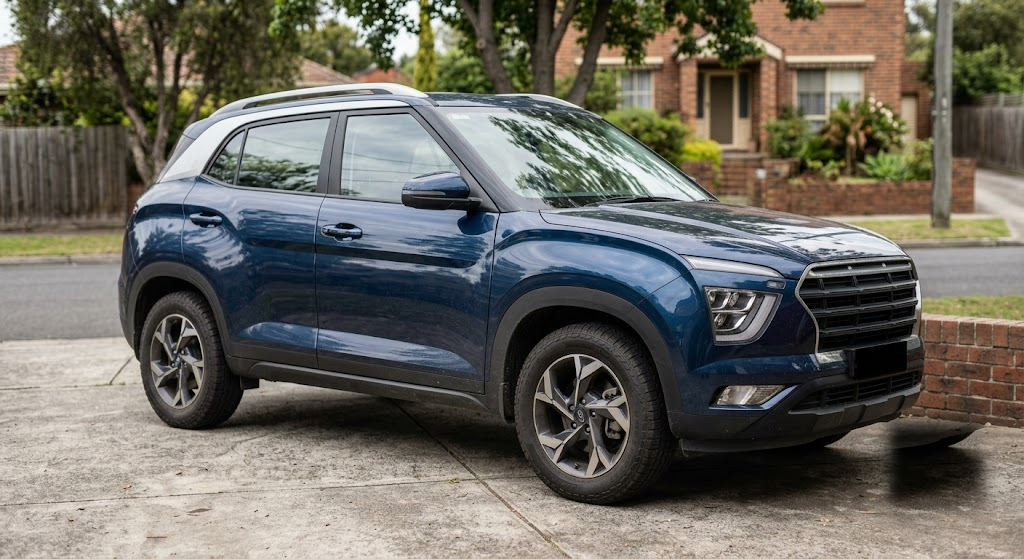
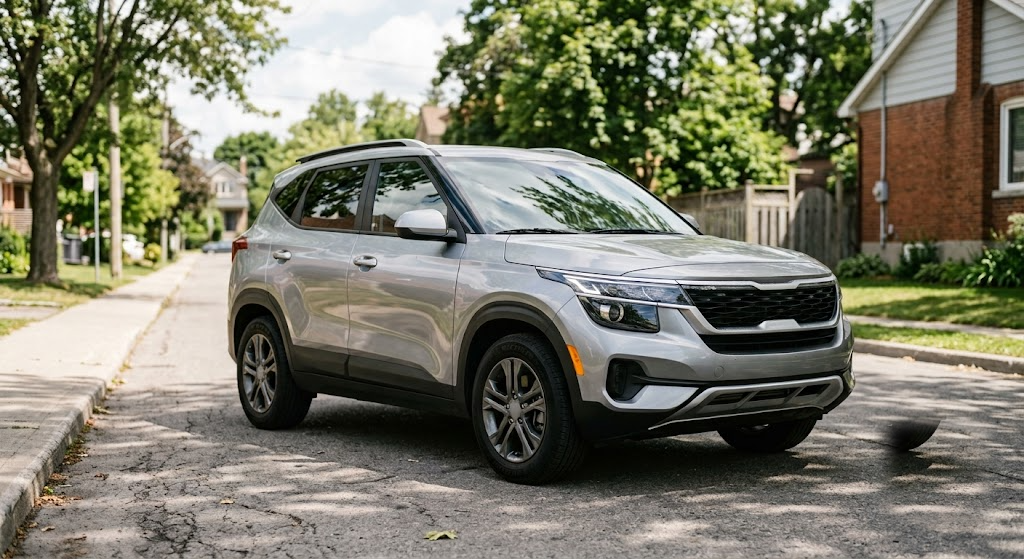
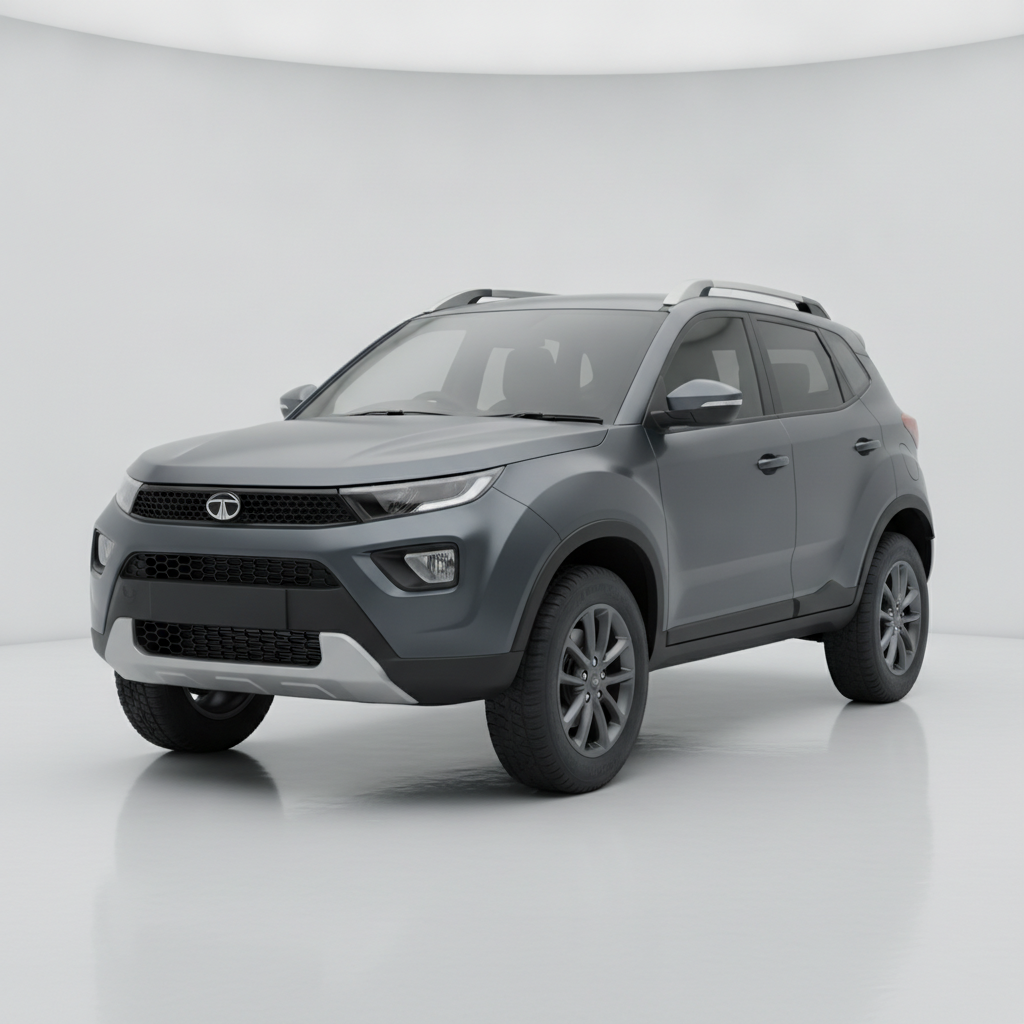
For buyers in the mainstream segment (under ₹20 lakh), domestically assembled SUVs with fuel-efficient powertrains stand out clearly. The [Hyundai Creta](/cars/hyundai-creta) (from ₹11.00 lakh, 17.4 kmpl petrol) is the benchmark compact SUV: locally manufactured, widely available without extended waits, and offered in both petrol and diesel to suit different running-cost calculations. The [Kia Seltos](/cars/kia-seltos) (from ₹10.99 lakh) carries similar manufacturing advantages — its diesel variant returns up to 20.7 kmpl, a meaningful buffer if crude prices spike on Hormuz-related fears. The [Tata Nexon](/cars/tata-nexon) (from ₹8.00 lakh) adds CNG to the equation: assembled in India across petrol, diesel, and CNG variants, its CNG version sidesteps petrol and diesel price swings almost entirely, making it particularly resilient in a volatile fuel-cost environment. For families needing more space without surrendering domestic supply chain predictability, the [Mahindra XUV700](/cars/mahindra-xuv700) (from ₹13.99 lakh, 16.5 kmpl diesel) rounds out the shortlist with a feature-rich platform assembled entirely within India.
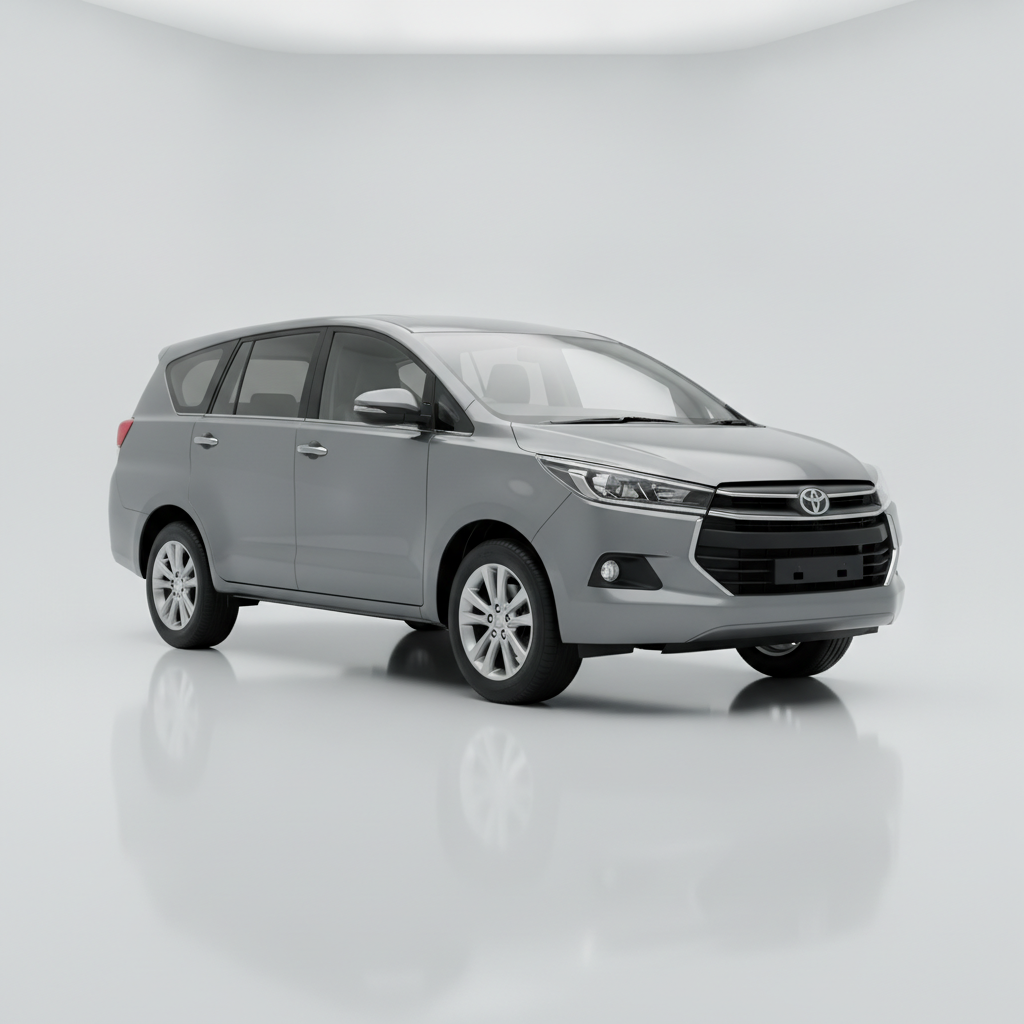
If oil prices sustain a climb — a real possibility given the ongoing Middle East uncertainty — the efficiency case for hybrids sharpens considerably. The [Toyota Innova Hycross](/cars/toyota-innova-hycross) Petrol-Hybrid (from ₹19.30 lakh, 21.1 kmpl) remains one of the most compelling fuel-efficiency propositions in the family vehicle segment, assembled locally and backed by Toyota's resilient supply network. At a more accessible price point, the [Honda City](/cars/honda-city) Petrol-Hybrid (from ₹11.90 lakh, 18.4 kmpl) makes the hybrid argument available to a far wider audience. In an environment where 5.1% inflation is compressing household budgets month by month, the running-cost advantage of a hybrid over a comparable non-hybrid is tangible money returned to the owner across a three-to-five year ownership cycle — not an abstract promise.
For luxury buyers considering CBU imports — the [Lexus ES](/cars/lexus-es) (from ₹64.20 lakh, 22.4 kmpl hybrid), the [Mercedes-Benz C-Class](/cars/mercedes-benz-c-class) (from ₹60.00 lakh), or the [Mercedes-Benz GLC](/cars/mercedes-benz-glc) (from ₹74.00 lakh) — the macro picture argues firmly for booking at current prices rather than waiting. These vehicles are exposed to rupee depreciation risk, potential supply disruptions across European component networks, and import duty structures that could evolve as India's trade relationships develop through FY27. Delaying in hope of a price correction is a higher-risk strategy than it appears when inflation is steadily eroding the value of that deferred outlay. If you are serious about a luxury import, the move is to lock in today's price, negotiate hard on dealer charges, and confirm delivery lead times explicitly in writing.
The practical takeaway for July 2026 is this: the macroeconomic environment rewards decisiveness on domestically manufactured vehicles and a clear-eyed focus on running costs. The repo rate anchored at 5.25% means car loan rates from most lenders currently sit approximately in the 8.5-9.5% range — stable enough for fixed-EMI planning, but not heading meaningfully lower given the 5.1% inflation ceiling the RBI is managing against. If your budget is under ₹12 lakh, the [Hyundai Creta](/cars/hyundai-creta), [Kia Seltos](/cars/kia-seltos), or [Tata Nexon](/cars/tata-nexon) CNG all deliver domestic assembly, strong fuel economy, and no import-related pricing surprises. If running cost efficiency is the overriding priority at a tighter budget, the [Maruti Suzuki Baleno](/cars/maruti-suzuki-baleno) CNG (from ₹6.65 lakh, 22.35 kmpl equivalent) remains the most cost-efficient proposition on sale in India today. Book it, lock in a fixed-rate EMI, and let the macroeconomic noise play out from the driver's seat of a well-considered purchase.