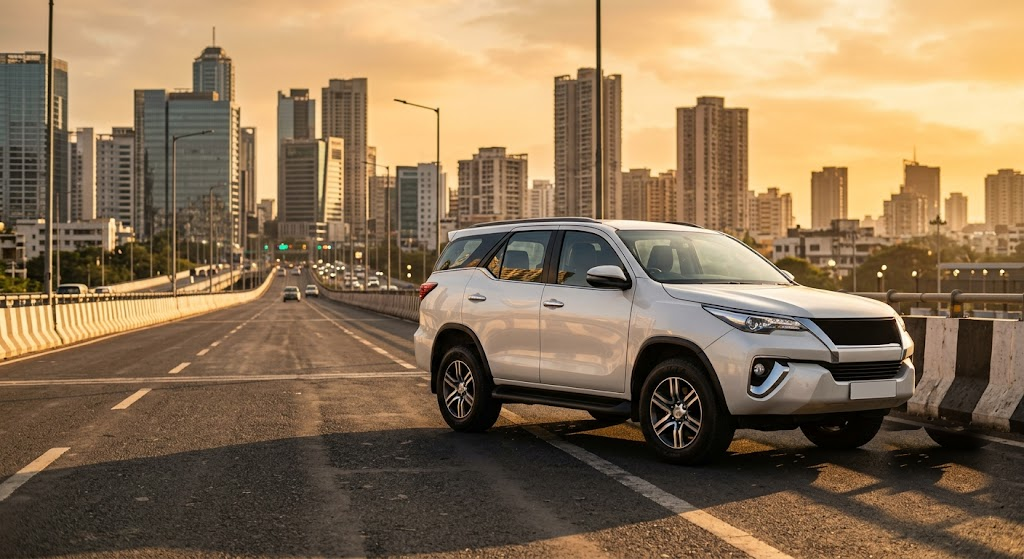
India's Auto Sales Up 25%: 4 Smart Buys Before Tariffs Tighten
A 25% surge in passenger vehicle sales, a protectionist tariff push from SIAM, and the RBI's rate-hold signal are converging to create a narrow but clear buying window for Indian car shoppers in July 2026.
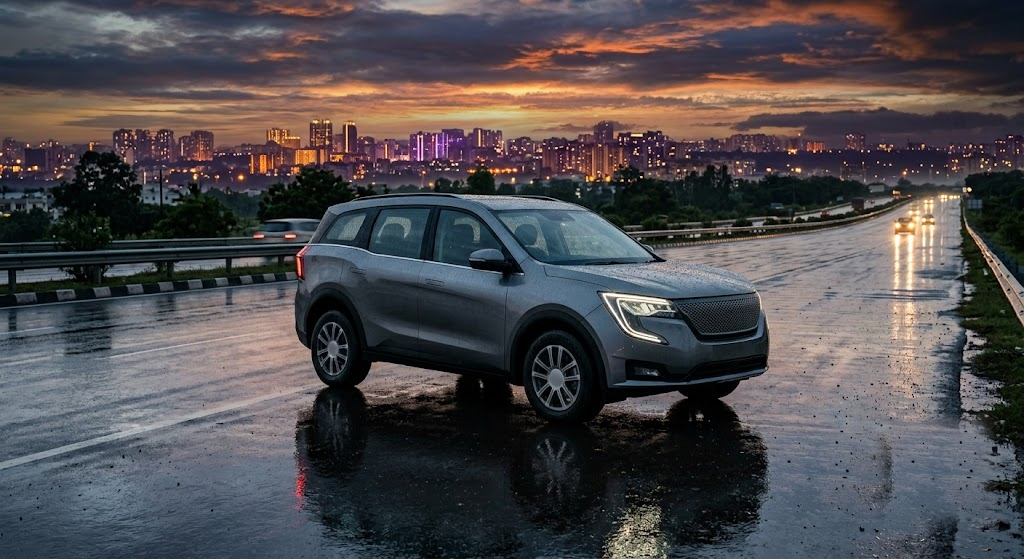
India's passenger vehicle market delivered a headline-grabbing 25% sales surge in June 2026, with Maruti Suzuki, Tata Motors, and Mahindra collectively driving volumes that caught even optimistic analysts off guard. The backdrop, however, is more nuanced than the number alone suggests: GST collections continue to climb, signalling genuinely healthy consumer spending, while the Society of Indian Automobile Manufacturers (SIAM) has simultaneously moved to petition the government to raise import duties on commercial tractors and prime movers to 40% — a pointed signal that Indian industry is embracing a more protectionist posture as global supply chains face fresh disruptions. Meanwhile, RBI Governor Sanjay Malhotra publicly dismissed rate hike speculation earlier in June, keeping borrowing costs predictable heading into H2 2026 and giving car buyers on the fence one fewer reason to delay.
SIAM's duty petition matters well beyond the commercial vehicle segment. When an industry body successfully lobbies for higher tariffs in one category, it signals a broader policy conversation that can migrate to passenger cars — particularly those sold as completely built-up (CBU) imports or models with a high proportion of imported components. Premium cars like the [Mercedes-Benz C-Class](/cars/mercedes-benz-c-class) (starting around ₹60 lakh) and the [Volvo XC40](/cars/volvo-xc40) (starting around ₹45 lakh) sit squarely in the zone most exposed to any upward revision in import-linked duty structures. Both are positioned at a price point where a duty change of even a few percentage points translates into a lakh or more on the sticker. If you have been deliberating about a luxury CBU purchase, the policy trajectory argues for moving sooner rather than later — before any revised duty notification is gazetted and dealers revise prices overnight.
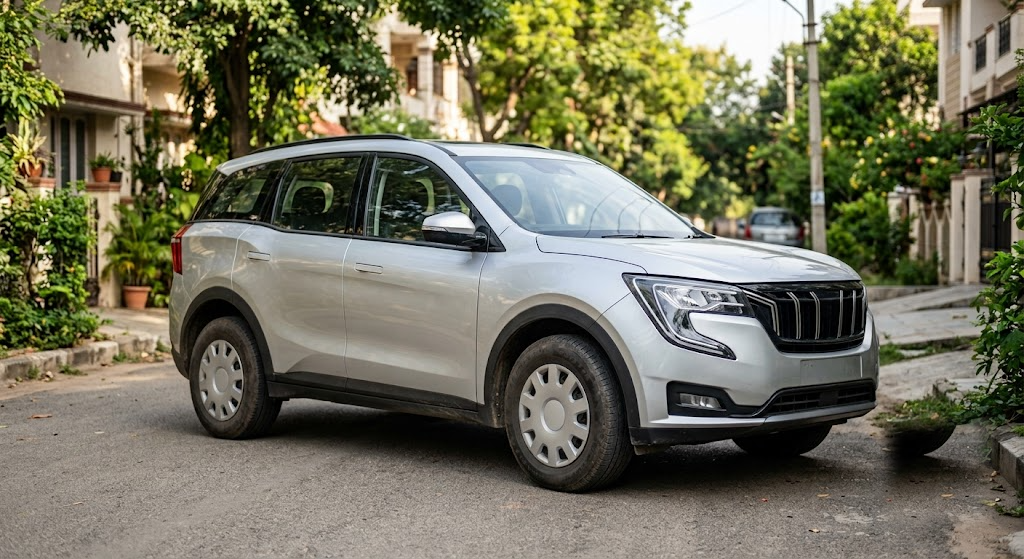
The rupee has remained broadly stable following RBI intervention in June, which has also held down hedging costs for automakers sourcing components internationally. A steady rupee limits the pressure on manufacturers to pass on currency-driven cost increases — directly good news for buyers across segments. Mahindra's publicly declared "Attack Mode" strategy of accelerating growth and new launches despite global uncertainty adds another layer of signal: companies doubling down on capacity expansion and model rollouts mid-cycle are far less likely to raise prices on their flagship products. The [Mahindra XUV700](/cars/mahindra-xuv700) (from ₹13.99 lakh) and the all-electric [Mahindra BE 6](/cars/mahindra-be-6) (from ₹18.9 lakh, with a claimed 490 km ARAI range on its 59 kWh pack) are central instruments of that strategy, and locking in current pricing on either is a defensible decision right now.
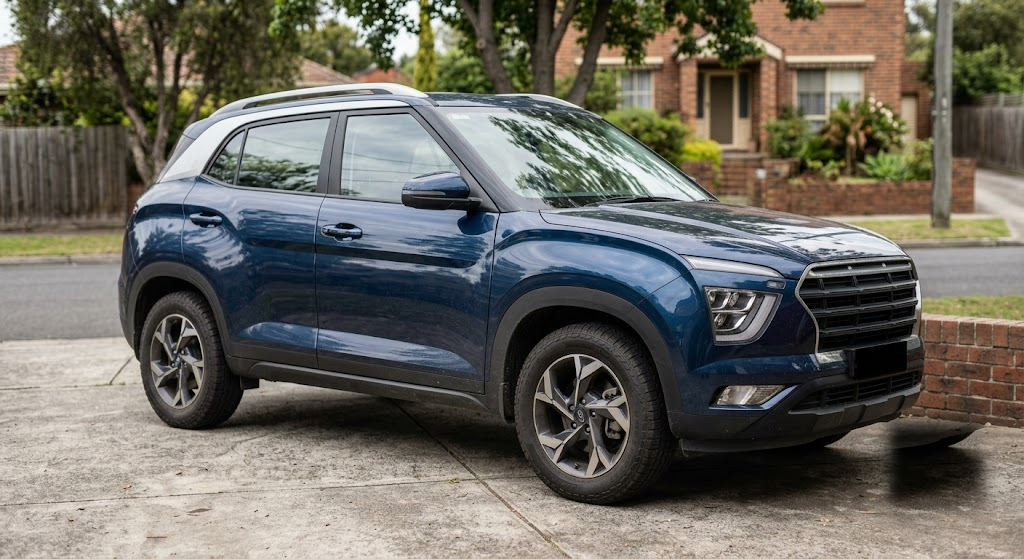
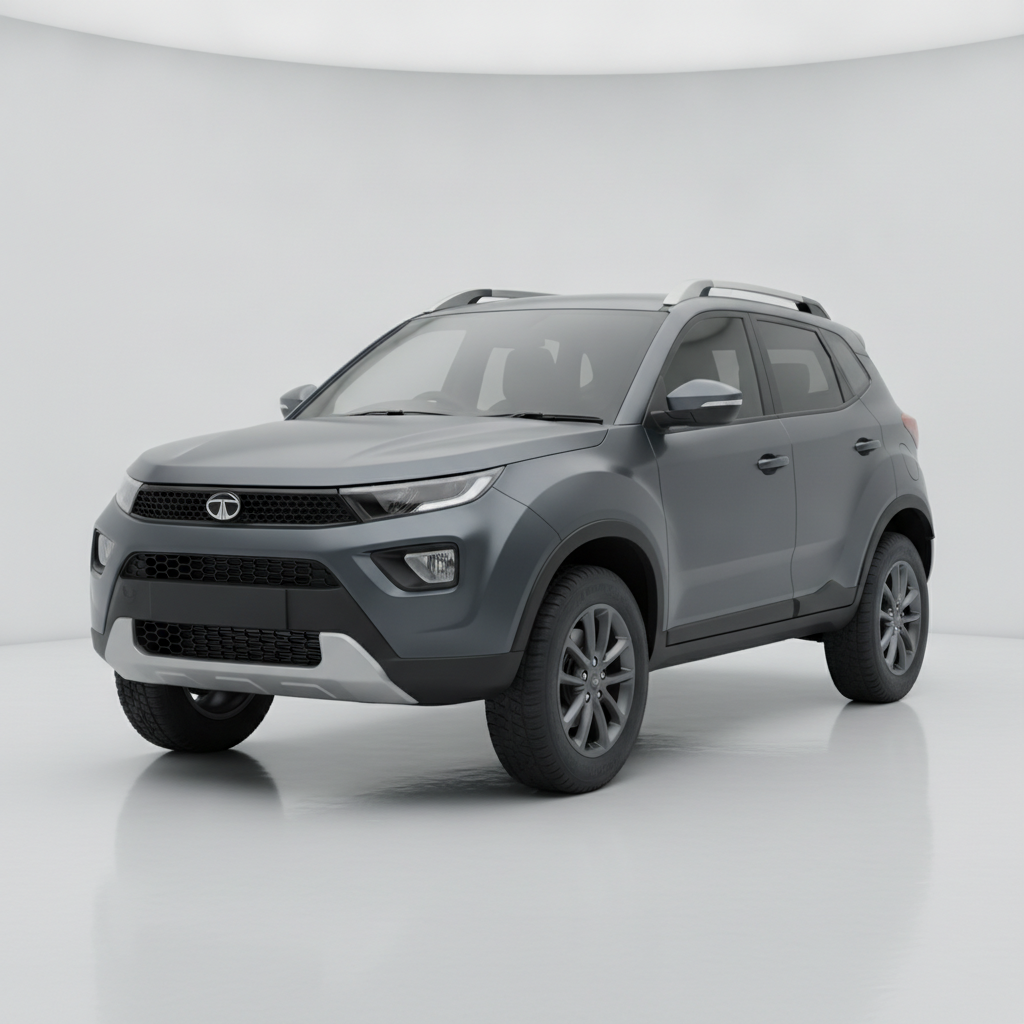
The 25% sales surge does carry a sting for buyers: elevated demand translates directly into stretched waiting periods on popular models. The [Hyundai Creta](/cars/hyundai-creta) (from ₹11 lakh, rated at 17.4 kmpl on petrol), India's perennial mid-size SUV bestseller, and the [Tata Nexon](/cars/tata-nexon) (from ₹8 lakh, available in petrol, diesel, and CNG — with the diesel rated at a class-competitive 23.2 kmpl) are both absorbing strong retail pressure right now. At popular variants and colours, realistic delivery timelines are running four to eight weeks at many dealerships. The practical counter-move is to secure a pre-approved car loan immediately: with RBI holding rates steady, banks are actively competing for auto loan disbursals, and locking in financing today insulates you from any future rate movement while you wait out the delivery queue at zero additional cost.
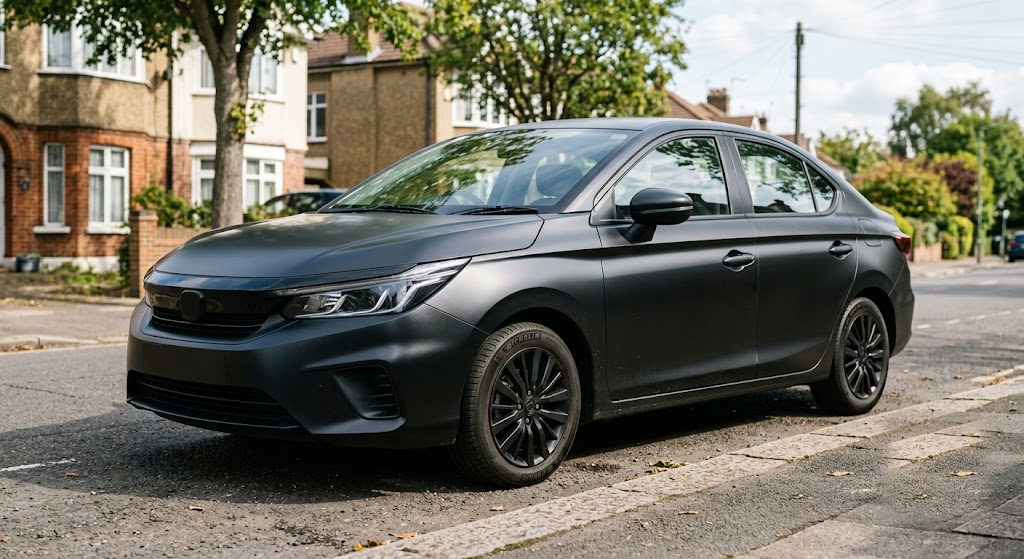
For buyers whose primary concern is long-term running economics, the current environment squarely rewards fuel-efficient, domestically assembled models — they carry zero exposure to any import duty revision and benefit from a stable rupee. The [Maruti Suzuki Baleno](/cars/maruti-suzuki-baleno) (from ₹6.65 lakh, rated at 22.35 kmpl) is hard to beat on efficiency at its price point, and the [Honda City](/cars/honda-city) (from ₹11.9 lakh), available with a Petrol-Hybrid powertrain, makes a compelling argument for buyers covering higher daily distances. The City Hybrid's real-world fuel returns are meaningfully better than the standard petrol variant's rated 18.4 kmpl, and with fuel prices expected to remain firm, that gap earns back the modest price premium over a typical three to four year ownership cycle. Both are assembled in India, insulating them from the tariff turbulence that premium CBU buyers must now price into their decisions.
The July 2026 buying window is defined by three converging signals: a domestic market growing at 25% that shows every sign of structural momentum rather than a seasonal blip, a rate environment the RBI has signalled will stay stable for the foreseeable future, and a trade policy climate where protectionist pressure is directionally rising. The practical playbook is straightforward — prioritise locally assembled models with strong fuel efficiency credentials (the Creta, Nexon, XUV700, Baleno, or Honda City are the clearest fits across budgets), and lock in pre-approved financing at current rates before any monetary policy shift arrives. If your shortlist includes a luxury CBU, act before a duty revision changes the calculus entirely. And whatever your budget, book early — at 25% growth, popular variants are flowing to buyers who show up first, not those on waiting lists.