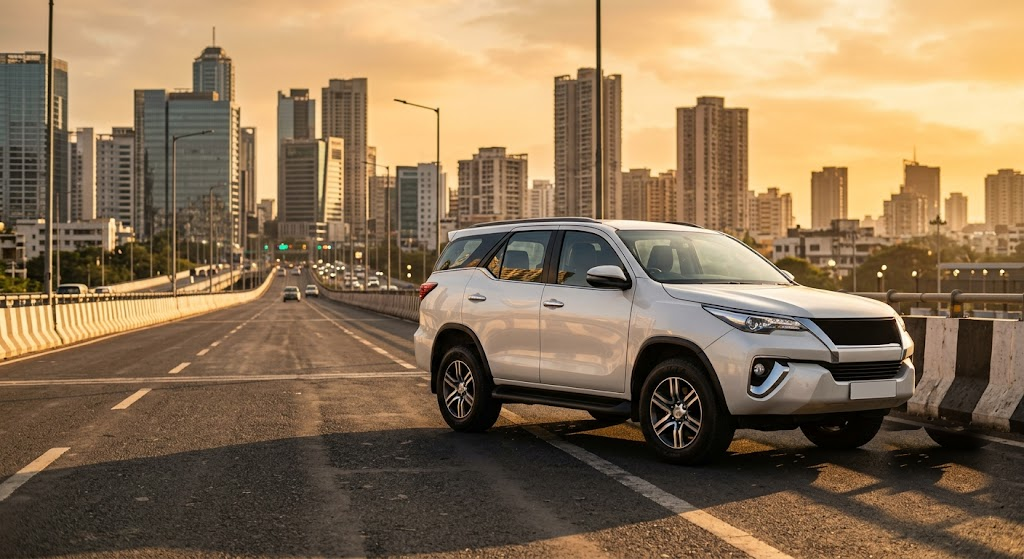
India's Auto Boom Has a Shadow: 5 Smart Buys for July 2026
India's auto sector is booming and rates are holding steady, but a Hormuz oil scare, global trade tensions, and supply chain fragility mean the buying window is open — and may not stay that way.
Two weeks ago, India's financial markets were watching a very different screen: the Strait of Hormuz — the chokepoint through which roughly a fifth of the world's traded crude passes — had been closed by Iran, sending Brent prices sharply higher and rattling the Nifty in a matter of days. The interim US-Iran peace deal struck in late June steadied nerves, but it did not erase the lesson: global energy supply can be disrupted faster than any supply chain can adjust. Against that backdrop, India's own economy delivered a quietly reassuring counter-narrative. GST collections climbed higher, passenger vehicle sales held their upward trajectory despite the global turbulence, and RBI Governor Sanjay Malhotra put rate-hike speculation firmly to bed, calling such talk "premature." For Indian car buyers trying to time a purchase, these converging signals — an oil scare now partially resolved, borrowing costs locked in stable, and domestic demand holding firm — create one of the more compelling buying windows in recent memory.
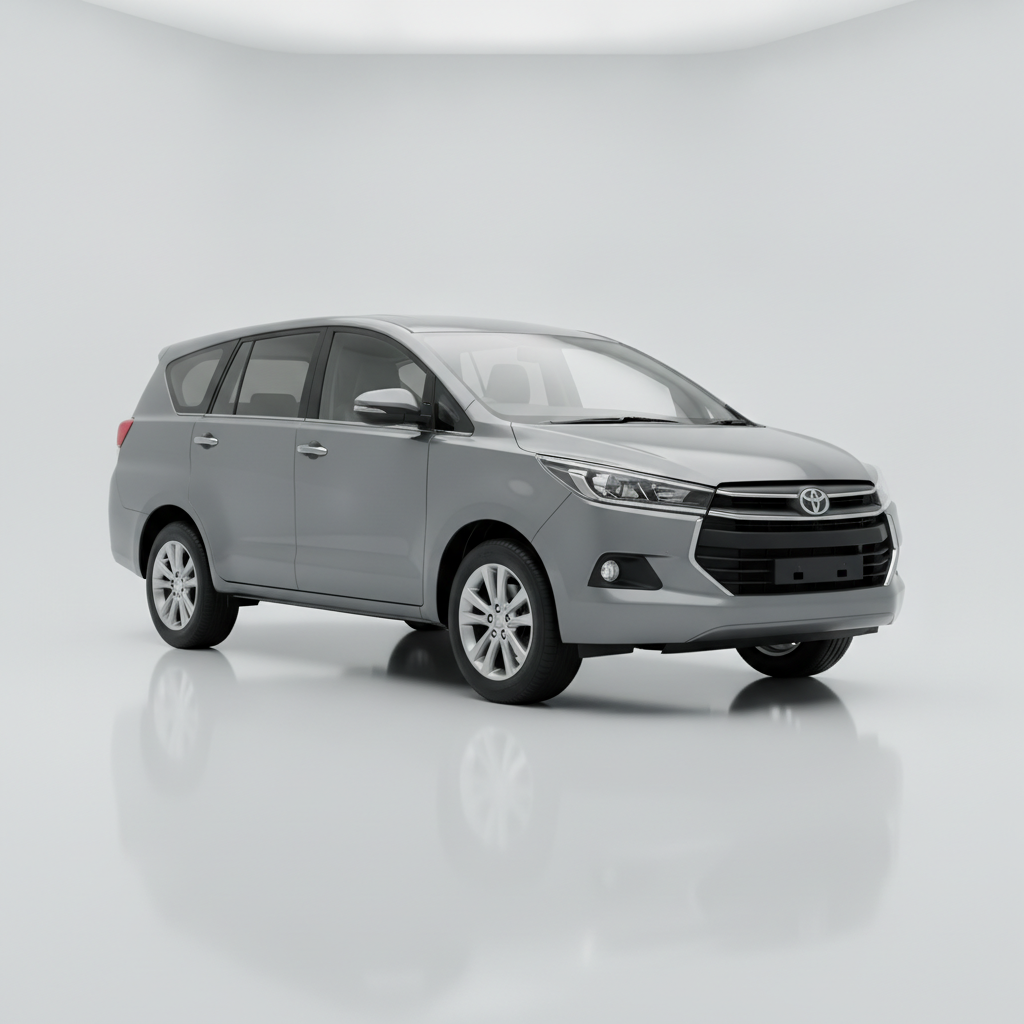
The Hormuz episode served as a live stress test of India's fuel-price sensitivity. Even a short-lived crude spike translates into pump-price pressure within weeks, making a car's fuel efficiency a genuine financial hedge over any ownership horizon. The [Toyota Innova Hycross](/toyota-innova-hycross) petrol-hybrid, rated at 21.1 kmpl and starting from approximately ₹19.3 lakh, builds a clear savings case against conventional petrol MUVs averaging 13–14 kmpl — a gap that can represent ₹25,000–35,000 in annual fuel costs for a family covering 15,000 km per year. In the sedan segment, the [Honda City](/honda-city) hybrid (18.4 kmpl combined, from ₹11.9 lakh) delivers strong efficiency in a package well under ₹15 lakh. At the budget end, the [Maruti Suzuki Baleno](/maruti-suzuki-baleno) at 22.35 kmpl ARAI from ₹6.65 lakh remains India's most fuel-efficient mainstream hatchback — and that efficiency advantage over a five-year tenure translates to meaningful savings when crude decides to move.
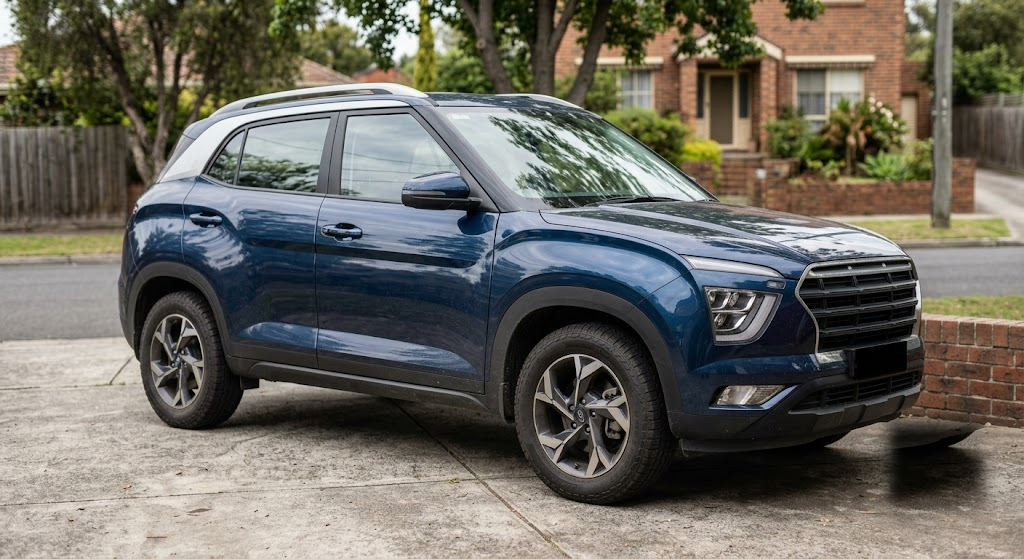
The RBI's decision to hold the repo rate — and Governor Malhotra's explicit pushback against rate-hike speculation — is the second pillar of this buying window. Car loan rates from major banks currently sit in the approximate 8.5–9.5% range (depending on credit profile and lender), making this one of the more stable EMI environments buyers have seen in recent years. The sweet spot is the ₹10–18 lakh SUV segment, where inventory is healthy and dealers are running genuine exchange and loyalty offers. The [Hyundai Creta](/hyundai-creta) (from ₹11 lakh, 17.4 kmpl petrol) and the [Kia Seltos](/kia-seltos) (from ₹10.99 lakh, up to 20.7 kmpl diesel) are both locally assembled in India, which insulates their sticker prices from import-duty volatility. On a 5-year loan at approximately 9%, the Creta petrol base works out to roughly ₹22,000–23,000 per month — a figure that becomes materially heavier if rates tick even 50 basis points higher later in the year.
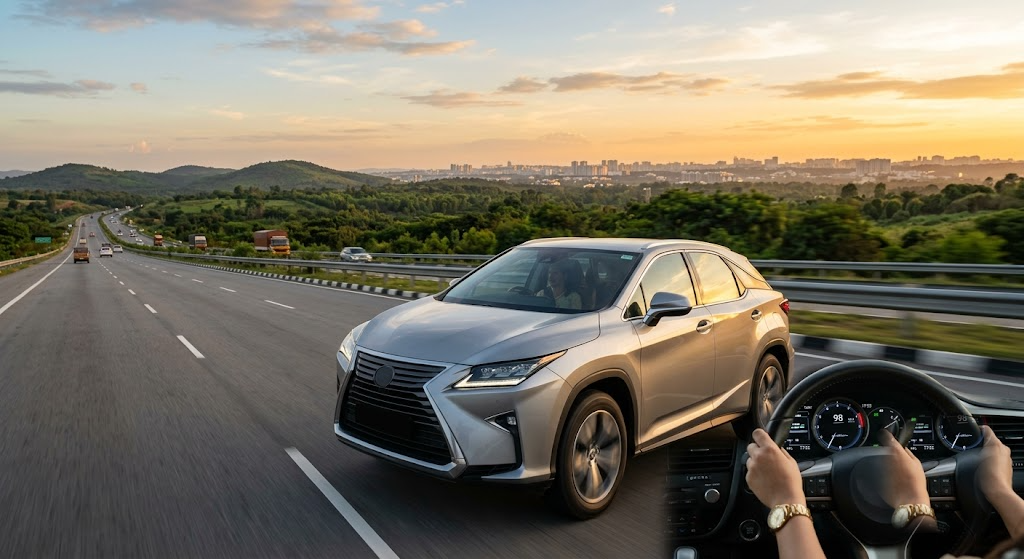
Not every segment shares this calm. The UK's SMMT flagged significant automotive supply chain stress in early July 2026, and trade-policy uncertainty — tariff regimes still in flux, logistics costs elevated by geopolitical risk — continues to weigh on globally sourced vehicles. For buyers eyeing completely-built-up (CBU) imports, this matters directly. The [Mercedes-Benz C-Class](/mercedes-benz-c-class) (from ₹60 lakh), [Volvo XC60](/volvo-xc60) (from ₹67.9 lakh), and [Lexus ES](/lexus-es) hybrid (from ₹64.2 lakh) all carry India's steep 100%-plus CBU import duty, meaning any shift in logistics costs, the rupee-dollar rate, or source-country trade conditions feeds straight through to their on-road prices. The rupee has been relatively stable through mid-2026, but the Hormuz episode demonstrated exactly how quickly dollar demand can surge during a commodity shock. If you are seriously considering a CBU luxury purchase, securing a firm price commitment from your dealer before Q3 supply chain pressures arrive is more than prudent — it could save you several lakh.
India's strong GST revenue trajectory signals government fiscal confidence, which historically correlates with policy continuity for locally manufactured EVs. Locally assembled electric vehicles benefit from a different import calculus — battery cell duties apply, but not at CBU rates — and their zero-fuel running costs are the most durable hedge against oil-price volatility on offer. The [Tata Nexon EV](/tata-nexon-ev), from ₹12.99 lakh with a 465 km MIDC claimed range, remains India's most accessible mainstream EV backed by the country's most established public charging network. The [Mahindra BE 6](/mahindra-be-6), from ₹18.9 lakh with a 490 km ARAI-certified range on its 59 kWh pack, steps up in both range and performance for buyers who can support home charging. At current electricity tariffs, either model delivers running costs well below ₹2 per km — a figure that looks even more attractive against a crude oil market that has already demonstrated its capacity for sudden, sharp spikes.
The practical buying calculus for July 2026 comes down to this: macro conditions are about as supportive as they are likely to get in the near term, but multiple risk factors — Middle East stability, global trade-war dynamics, and supply chain fragility — make the medium term genuinely uncertain. Buyers in the ₹8–18 lakh bracket should act now, prioritize locally assembled models with strong fuel efficiency or hybrid drivetrains, and lock in EMIs while rates hold. Buyers eyeing CBU luxury imports should secure firm price commitments and verify Q3 delivery timelines before supply chain pressures arrive. And buyers on the fence about EVs should recognize that 2026's combination of stable policy, growing charging infrastructure, and a newly volatile oil market makes this among the strongest years yet to make the switch. Macro windows close — and this one may not stay open much longer.