Hybrid vs CNG in 2026: Which Actually Saves You More?
Both promise low running costs, but the math splits sharply depending on how far you actually drive each year.
Walk into any showroom in 2026 and you'll be pushed toward one of two "save fuel" badges: strong-hybrid or factory CNG. Maruti Suzuki alone offers both across its range, and Toyota mirrors it through its shared platforms. But the two technologies solve different problems, and picking wrong can cost you over a lakh across an ownership cycle. We ran the numbers using today's average pump rates — roughly ₹105 per litre for petrol and ₹76 per kg for CNG in metro cities — to settle it.
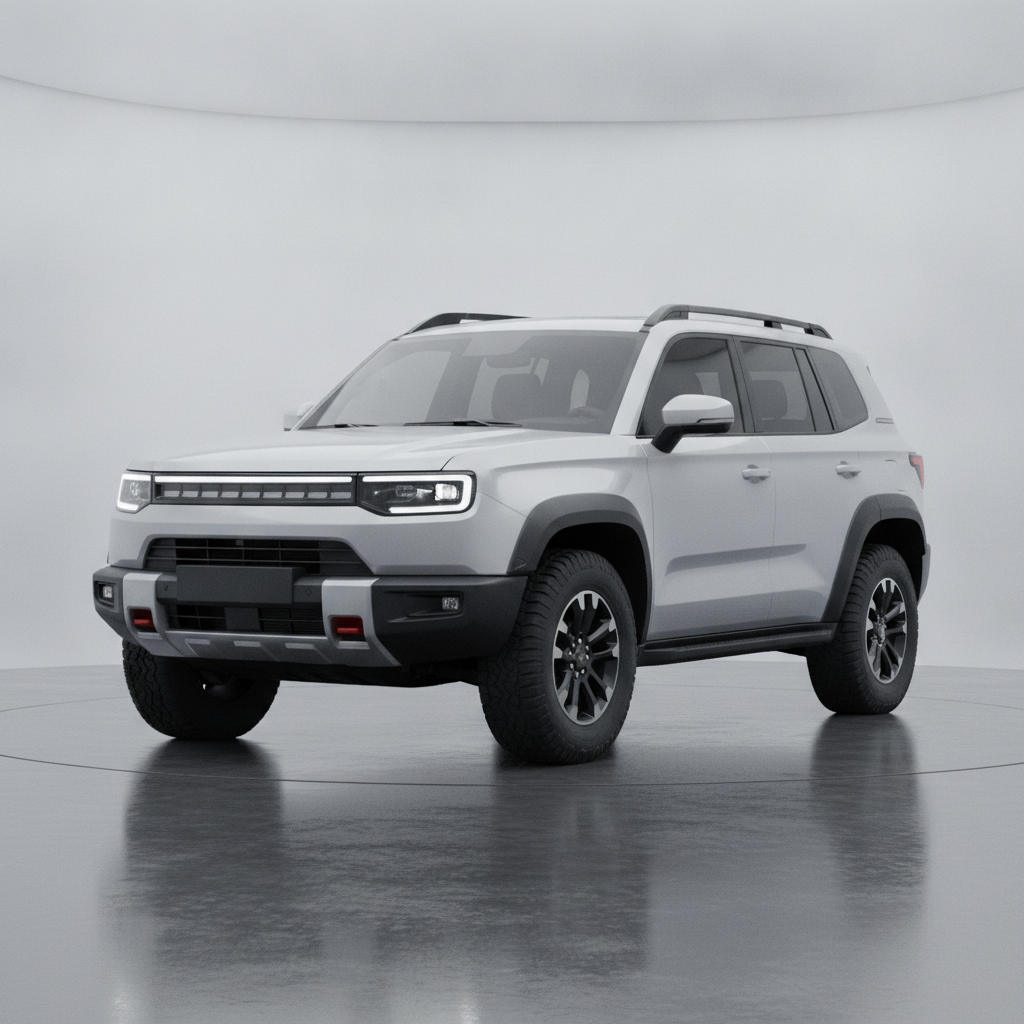
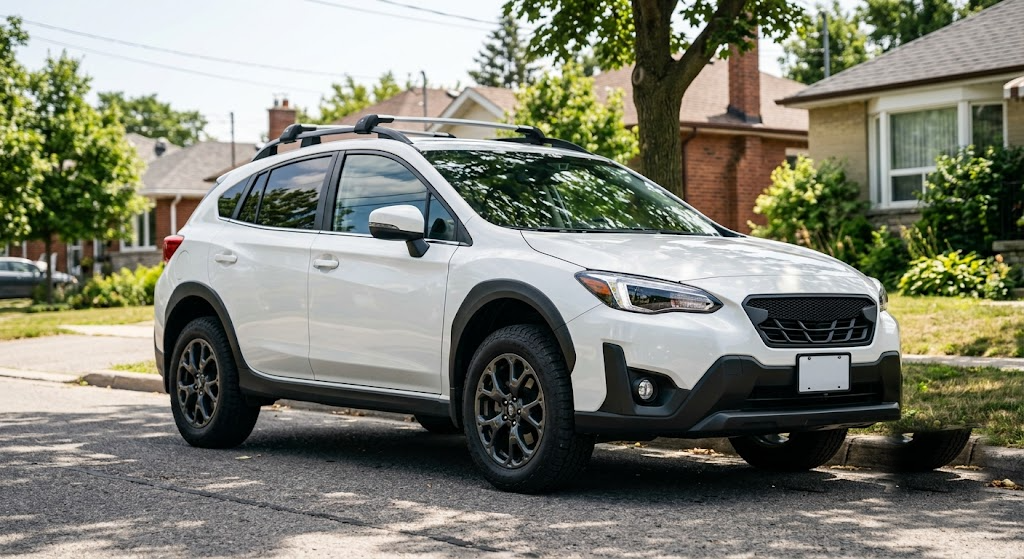
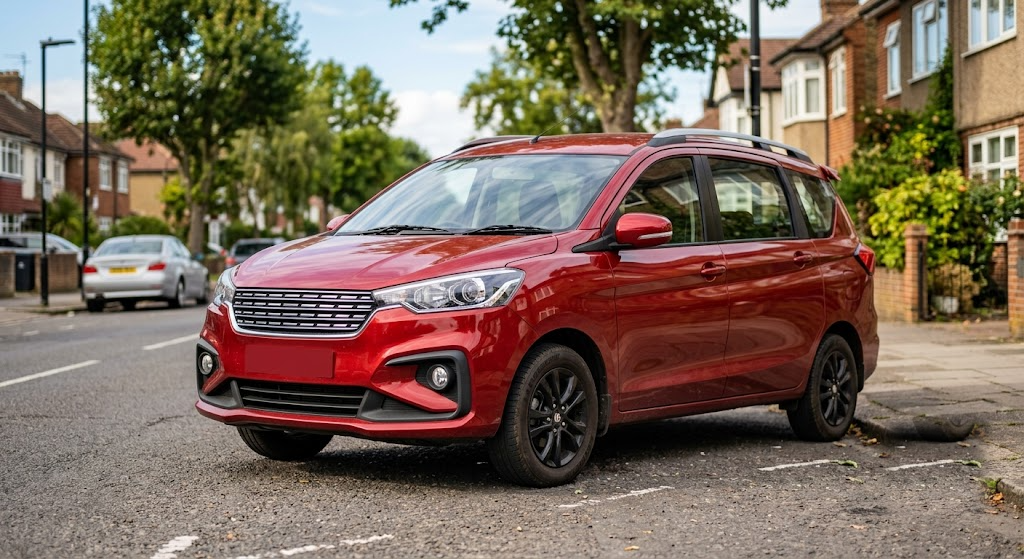
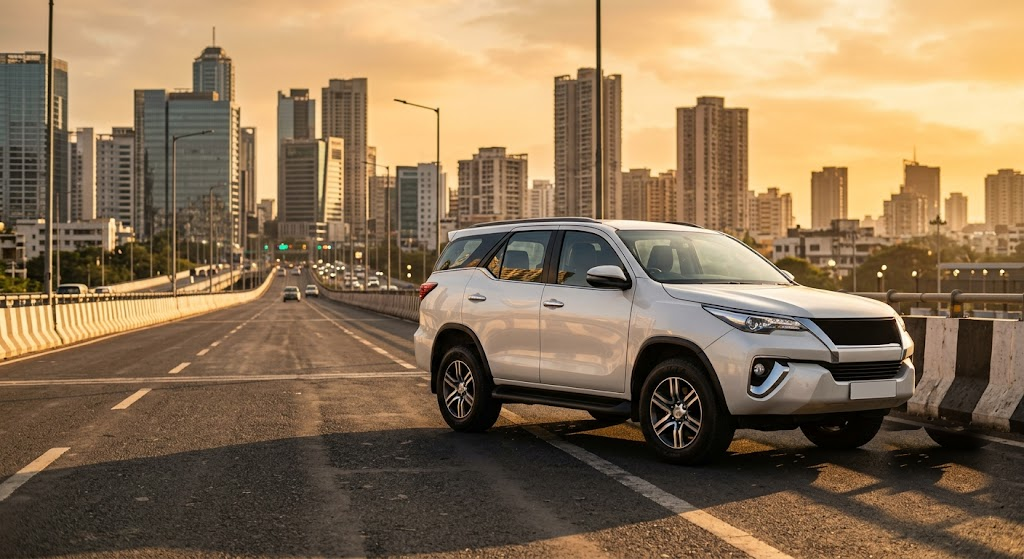
Start with the showroom gap. The [Toyota Urban Cruiser Hyryder](/cars/toyota-urban-cruiser-hyryder) and its twin, the [Maruti Suzuki Grand Vitara](/cars/maruti-suzuki-grand-vitara), both deliver a class-leading 27.97 kmpl in strong-hybrid form, but that variant starts near ₹16-17 lakh on-road. A CNG version of the same Hyryder, or a CNG [Maruti Suzuki Ertiga](/cars/maruti-suzuki-ertiga) at ₹8.65 lakh ex-showroom, costs dramatically less upfront. The hybrid asks you to pre-pay roughly ₹2.5-3 lakh extra for efficiency you then have to claw back at the pump.
Here's where annual mileage decides everything. The Hyryder hybrid effectively costs about ₹3.75 per km on fuel (₹105 ÷ 27.97). A CNG car like the Ertiga, returning around 26 km/kg, costs closer to ₹2.90 per km — cheaper per kilometre despite the petrol-hybrid's superior sticker efficiency, because CNG is simply a cheaper fuel. Over 15,000 km a year, CNG saves around ₹13,000 annually versus the hybrid on fuel alone. The hybrid's price premium would take roughly 8-10 years of average driving to recover.
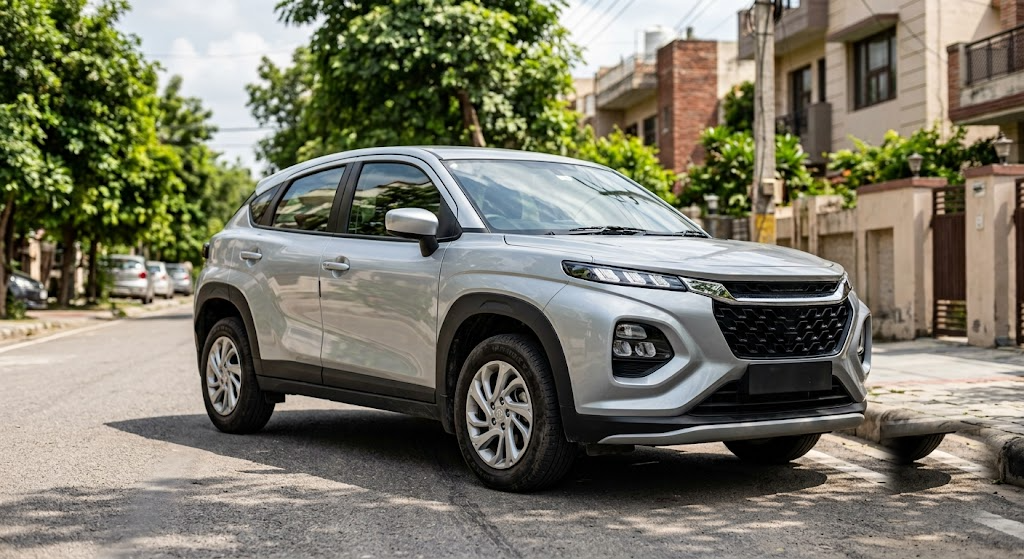
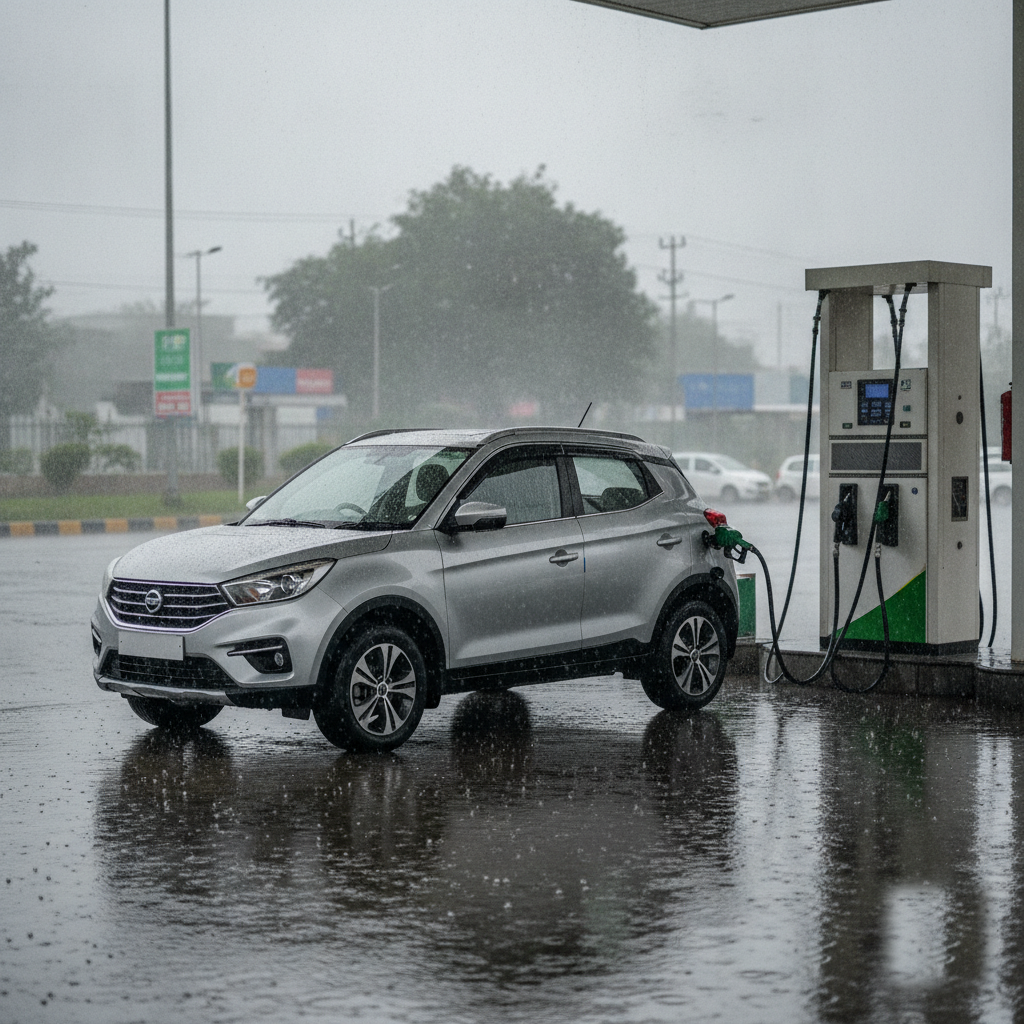
So CNG wins outright? Not quite. CNG eats boot space — the Ertiga and [Maruti Suzuki Fronx](/cars/maruti-suzuki-fronx) lose a chunk of luggage room to the cylinder — and refuelling still means queues at limited pumps, especially outside Tier-1 cities. CNG also caps performance and isn't ideal if you regularly load five passengers up a ghat section. The strong-hybrid, by contrast, drives like a normal automatic, refuels anywhere, and stays smooth and silent in city crawl, which is where it sips the least.
Our verdict: if you're a high-mileage city commuter clocking 1,500-2,000 km a month and have a CNG pump nearby, the running-cost math is unbeatable — buy CNG and bank the savings. If you drive 1,000 km a month or less, value resale and refinement, and do frequent highway runs with the family aboard, the hybrid's lower per-litre thirst and hassle-free experience justify the premium. The Grand Vitara and Hyryder hybrids are the smarter long-haul buy; the Ertiga and Fronx CNG are the sharper wallet play. Match the badge to your odometer, not the brochure.