GDP 6.8% & Supply Chain Cracks: 4 India Car Buys for July 2026
A buoyant India growth forecast collides with a global supply chain warning — and the fault line runs straight through your car-buying decision.
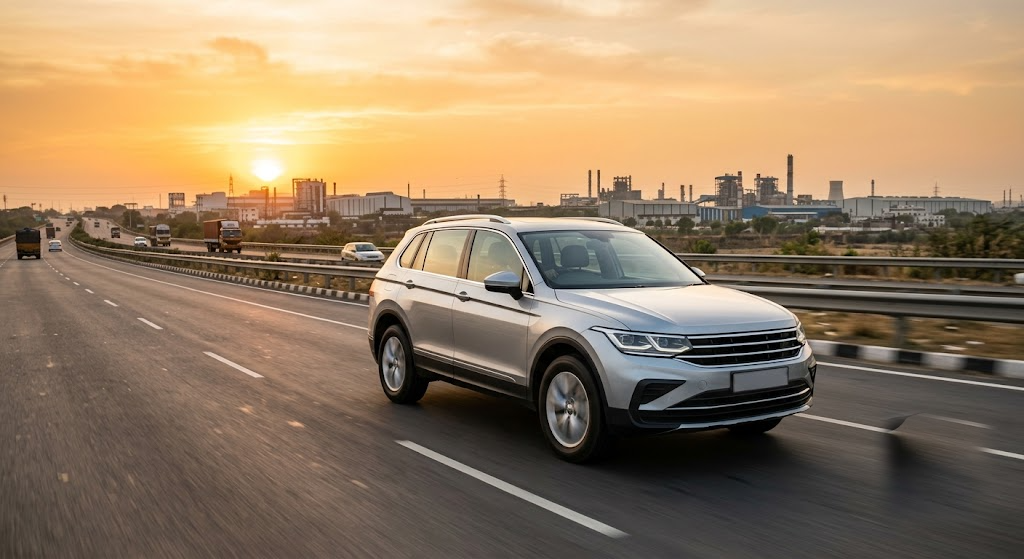
Goldman Sachs raised India's GDP growth forecast to 6.8% for FY27 in late June, citing the fading of the global oil price shock that had rattled emerging markets earlier this year. Almost simultaneously, the UK's Society of Motor Manufacturers and Traders (SMMT) issued a stark warning on July 1 about growing trade friction risks threatening automotive supply chains between the UK and EU — a corridor that feeds directly into the parts and CBU pipelines for several cars sold in India. Layer on RBI Governor Sanjay Malhotra's clear signal that rate-hike discussions remain premature, and you have a macro picture that is more nuanced than the headlines suggest: broadly positive for the domestic economy, but carrying fault lines that land squarely on what you pay for a car.
The SMMT alert carries direct implications for India's imported-car segment, where supply chain complexity is already embedded in the sticker price. Models like the [Mercedes-Benz C-Class](/mercedes-benz-c-class) (starting ₹60 lakh), the [Mercedes-Benz GLC](/mercedes-benz-glc) (~₹74 lakh), and the [Volvo XC60](/volvo-xc60) (~₹67.9 lakh) are either fully imported as CBUs or assembled from CKD kits sourced heavily from European suppliers. India levies customs duties of up to 100% on fully built imports above certain thresholds, so every disruption to European logistics or parts supply lands almost directly as either a higher landed cost or an extended waiting period — or both. If UK-EU trade tensions escalate through H2 2026, the window to order these models at current prices may be shorter than buyers expect, making now an important moment to confirm quotations in writing before signing.
On financing, the RBI's rate-hold posture is genuinely good news for mass-market buyers. Car loan rates at most PSU and private banks currently sit in the 8.5–9.5% per annum range, and with rate hike discussions described as premature by the Governor, there is little pressure for that to shift soon. On an on-road price of roughly ₹14–15 lakh for a [Honda City](/honda-city) (ex-showroom from ₹11.9 lakh, rated at 18.4 kmpl), a 7-year loan at approximately 9% works out to around ₹17,000–₹18,000 per month — a figure that has become accessible to a wider urban income band as real wages have grown alongside GDP. The 4–6% passenger vehicle sales growth forecast for FY27 reinforces this picture: demand is rising because affordability, not just aspiration, has structurally improved.
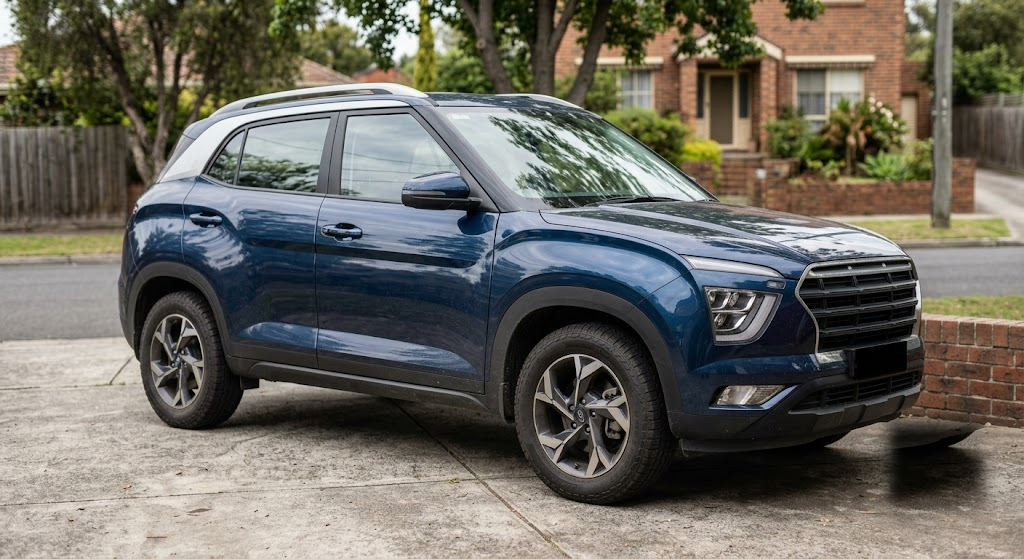
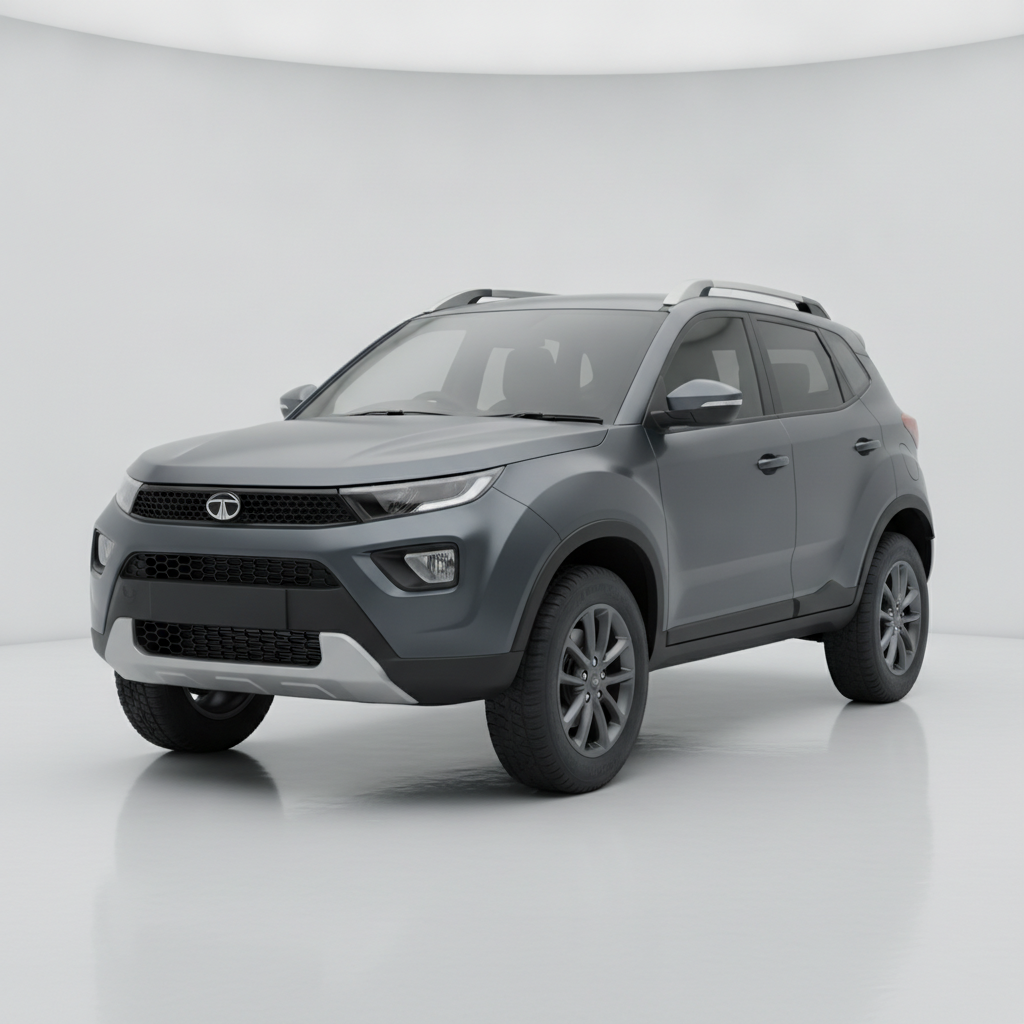
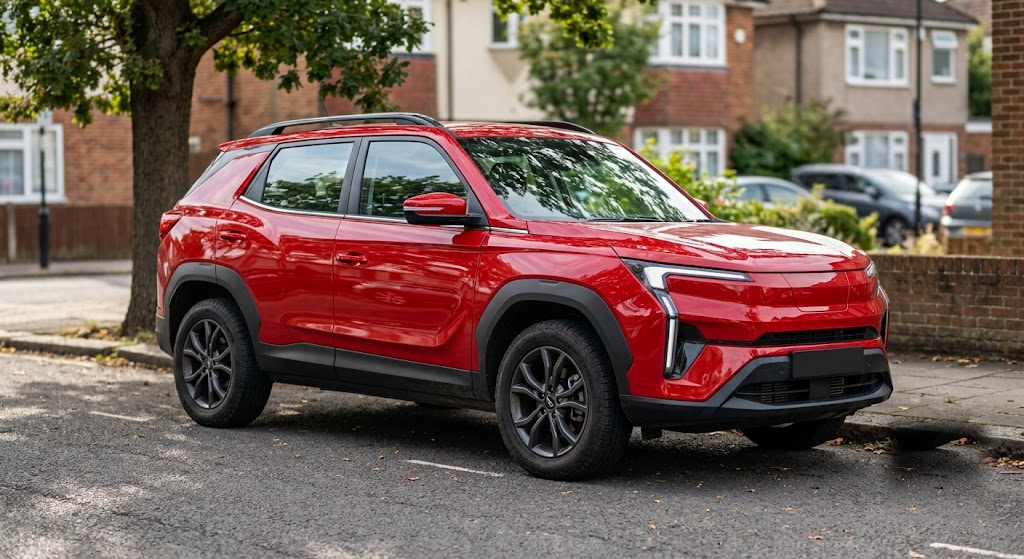
The smartest buys in this environment are locally manufactured models whose pricing is shielded from import volatility. The [Hyundai Creta](/hyundai-creta) (from ₹11 lakh, 17.4 kmpl) and [Kia Seltos](/kia-seltos) (from ₹10.99 lakh, diesel up to 20.7 kmpl) are both assembled in India with high localisation ratios, making them far less exposed to European supply chain shocks than premium imports. The [Mahindra XUV700](/mahindra-xuv700) (from ₹13.99 lakh, 16.5 kmpl) adds the comfort of a domestic brand with a vertically integrated supply base, while the [Tata Nexon](/tata-nexon) (from ₹8 lakh, diesel at 23.2 kmpl) remains one of the most supply-chain-resilient buys in the market — and one of the most fuel-efficient. With oil-price anxiety easing as Goldman's upgraded forecast reflects, petrol variants become easier to justify for daily use; even so, the diesel Nexon's 23.2 kmpl is a credible hedge if pump prices drift upward again.
For buyers thinking 3–5 years ahead, the GDP growth story strengthens the case for hybrids and EVs. The [Toyota Innova Hycross](/toyota-innova-hycross) petrol-hybrid (from ₹19.3 lakh, 21.1 kmpl) is assembled domestically and draws on Toyota's deep local supplier network, sidestepping European supply chain risk entirely while delivering outstanding mileage for a 7-seater MUV. The [Mahindra BE 6](/mahindra-be-6) (from ₹18.9 lakh, approximately 490 km ARAI range on its 59 kWh pack) is entirely India-built and India-charged — its running cost of roughly ₹1.5–2 per km at home charging rates compares favourably with ₹8–10 per km for petrol at city speeds. As a 6.8%-growth economy accelerates both grid investment and public charging infrastructure rollout, the structural running-cost advantage of EVs only deepens — and neither European supply chain friction nor high import duties complicates the equation.
The practical read for July 2026 is this: the macro foundations are as supportive as they have been in several years — steady borrowing rates, easing oil, and a rising growth trajectory. But global supply chains are showing visible stress fractures that will land hardest on European-origin cars at the premium end of the market. If your budget is ₹8–20 lakh and you are targeting a domestically built SUV or sedan, this is a sensible time to commit — inventory is healthy, loan rates are stable, and prices are not being inflated by external shocks. If you are weighing an import-heavy luxury purchase, budget for potential price revisions and longer delivery windows over the coming two to three quarters, lock in any ex-showroom quotation in writing, and consider whether a domestically assembled hybrid or EV might serve the same brief at a more predictable price.