Auto Sales Surge, Trade Walls Rise: Buy Smart in July 2026
India's domestic auto market is roaring ahead, but global trade wars and a brief oil shock near the Strait of Hormuz are quietly redrawing which cars deliver real value — and which carry hidden price risk — in July 2026.
India's GST collections and auto sales data for June 2026 confirm that the domestic growth engine is running hot — even as global trade tensions create headwinds that carmakers and buyers cannot afford to ignore. The Strait of Hormuz closure in late June briefly disrupted nearly a fifth of the world's seaborne crude oil before an interim US-Iran peace deal offered partial relief; crude prices still ended the month meaningfully above where they began. Meanwhile, the UK's Society of Motor Manufacturers and Traders has flagged serious automotive supply chain challenges stemming from trade policy uncertainty — a warning that carries weight in any market reliant on a globally integrated parts ecosystem. For Indian car buyers watching the macro picture, this combination of strong domestic momentum and fragile global supply chains creates an unusually clear-eyed buying environment heading into the second half of 2026.
Two forces are pulling in opposite directions right now. On the supportive side, RBI Governor Sanjay Malhotra has publicly called rate hike discussions premature, signalling that car loan EMIs are unlikely to climb meaningfully before the end of 2026 — a green light for buyers who have been waiting on the financing side. On the cautionary side, the rupee has faced modest depreciation pressure against the dollar as global risk sentiment has deteriorated on trade war anxieties. India levies import duties of roughly 100 percent on fully imported Completely Built Units (CBUs) above the applicable price threshold; any further rupee softness amplifies that tariff burden before a single customs form is filed. In practical terms, the gap between what you pay for a locally assembled car and a CBU import is likely to widen, not narrow, over the months ahead.
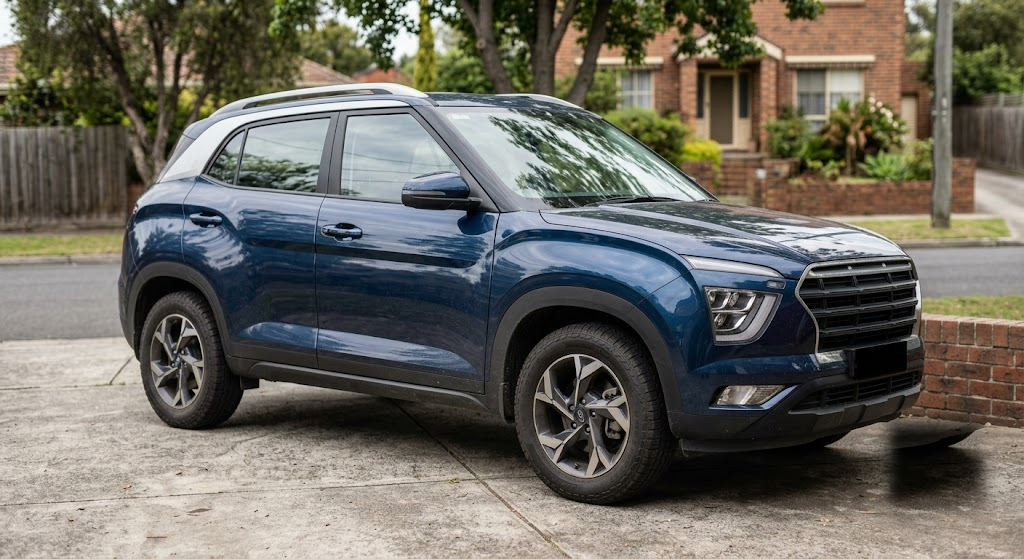
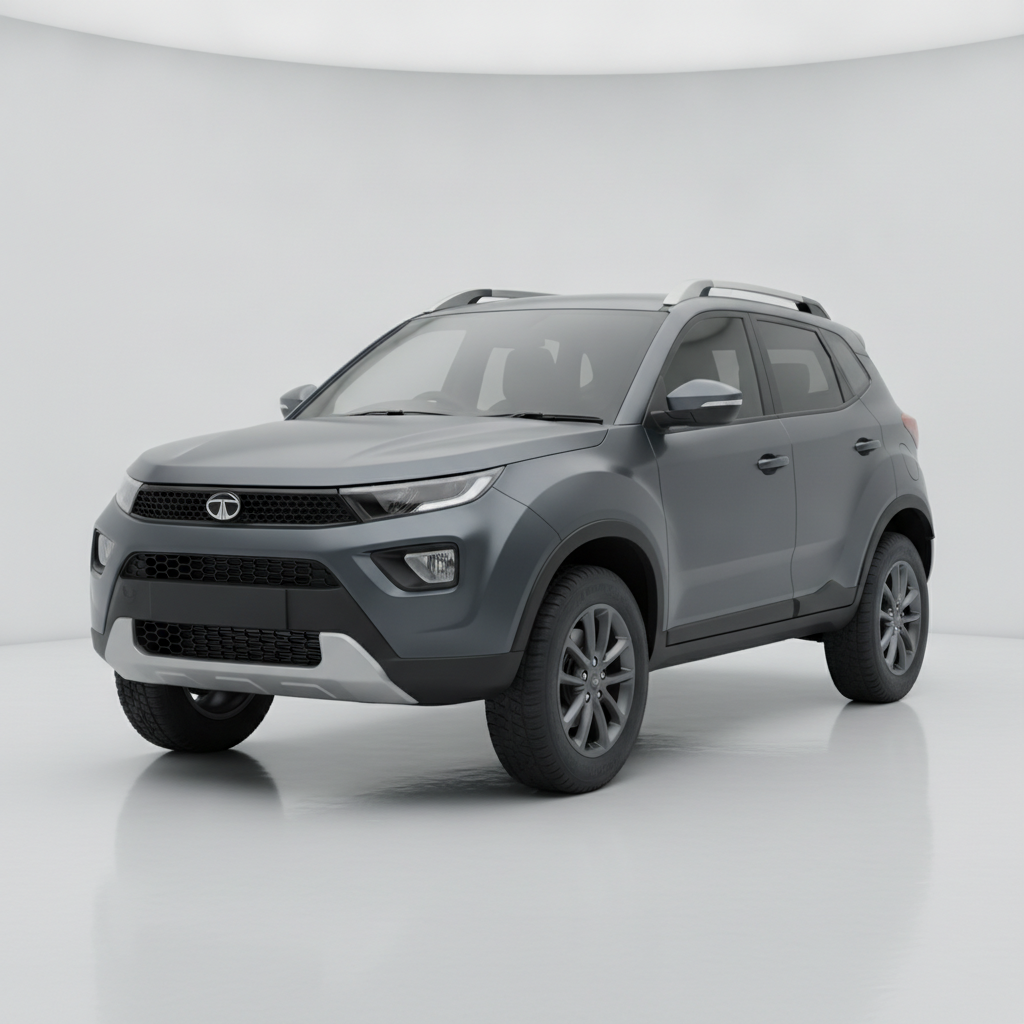
For buyers in the ₹8 lakh to ₹15 lakh bracket, the macro case for acting now is strong. The [Hyundai Creta](/hyundai-creta) (from ₹11 lakh, petrol and diesel, 17.4 kmpl) and [Kia Seltos](/kia-seltos) (from ₹10.99 lakh, up to 20.7 kmpl in diesel) are assembled in India, which largely shields their pricing from the import duty and rupee exposure that plagues CBU models — the overseas-sourced components attract far lower duties than a finished vehicle would. The [Tata Nexon](/tata-nexon) (from ₹8 lakh, 17.4 kmpl petrol / 23.2 kmpl diesel) is entirely domestically manufactured, making it arguably the most insulated car in this segment from global supply chain turbulence. With EMIs stable and domestic pricing relatively predictable, waiting is unlikely to produce a better deal; if anything, component cost pressures from global trade disruptions could nudge factory prices upward before the year is out.
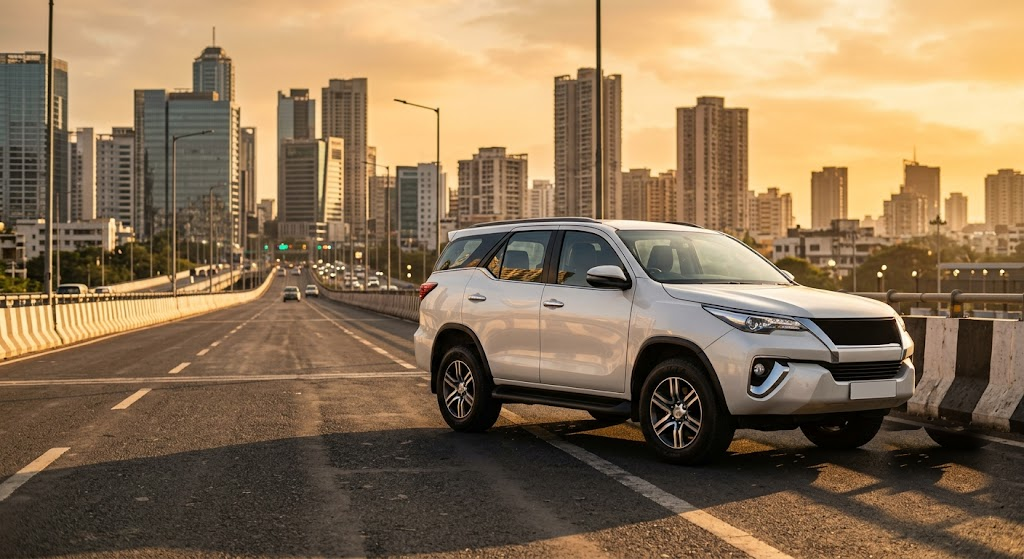
The Hormuz episode is a structural reminder that oil prices can spike hard and fast — even an interim peace deal does not eliminate the risk of renewed volatility next quarter. This makes fuel efficiency a meaningful financial hedge, not merely a specification detail to skim past. The [Toyota Innova Hycross](/toyota-innova-hycross) (from ₹19.3 lakh, 21.1 kmpl in hybrid trim) delivers seven-seat practicality with an efficiency figure that would have been unthinkable in a full-size MUV a decade ago; its self-charging hybrid system requires no charging infrastructure, making it genuinely usable across India's varied road network from metro highways to tier-two city traffic. At the more affordable end of the spectrum, the [Maruti Suzuki Baleno](/maruti-suzuki-baleno) (from ₹6.65 lakh, 22.35 kmpl) offers one of the best real-world mileage returns of any car on sale in India today — at this price point, the payback on fuel savings versus a less efficient competitor is measurable in months rather than years.
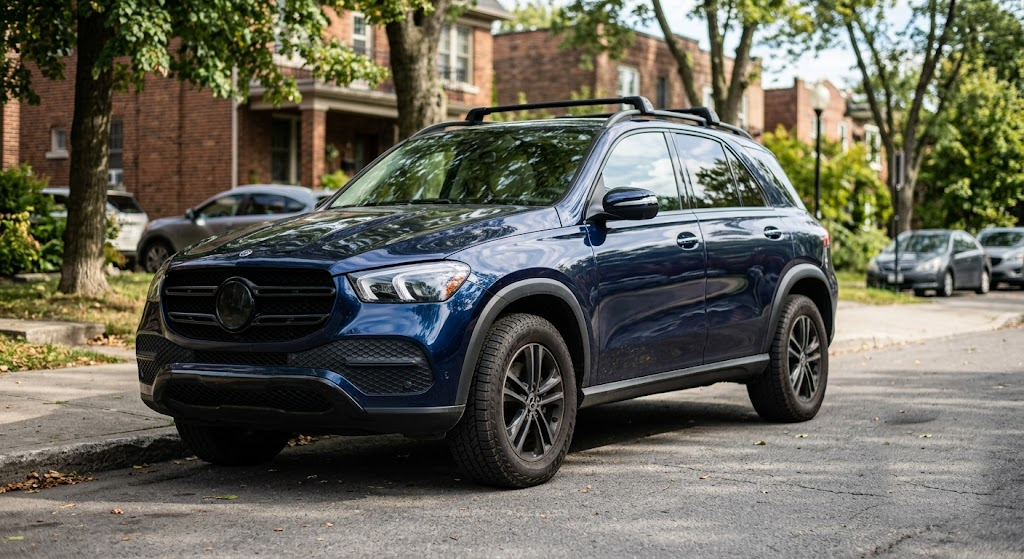
If your budget extends to the ₹60 lakh-and-above bracket, the calculus is considerably less comfortable. The [Mercedes-Benz GLE](/mercedes-benz-gle) (from ₹96.5 lakh, 12.4 kmpl) and [Porsche Macan](/porsche-macan) (from ₹88 lakh, 9.8 kmpl) both arrive in India as CBUs, which means every depreciation event in the rupee feeds directly into their on-road price — sometimes by ₹3–5 lakh in a single model-year revision cycle. Dealers on select luxury models are currently offering modest pre-delivery inventory incentives, and buyers already committed to this segment may be better served by finalising their purchase now rather than waiting for a market correction that global supply conditions make increasingly unlikely. The [Lexus ES](/lexus-es) (from ₹64.2 lakh, 22.4 kmpl petrol hybrid) is a partial exception on running costs — its hybrid efficiency provides a meaningful cushion against oil price swings, even if the CBU purchase price risk remains identical to the rest of the segment.
The July 2026 buying picture can be summarised simply: India's domestic auto market has real momentum, lending rates are on hold, and the primary uncertainty lies in global supply chains and rupee-dollar movement rather than local demand. Buyers in the mass-market and mid-size SUV segments have a genuine window — locally assembled models are structurally unlikely to get cheaper, and global cost pressures point toward modest upward price revisions as the year closes. Luxury CBU buyers face a higher-urgency version of the same case: the pricing risks are larger and less predictable. Across both segments, prioritising fuel efficiency is sound policy in a world where a geopolitical event near a narrow strait can move your monthly petrol bill by hundreds of rupees with very little warning.