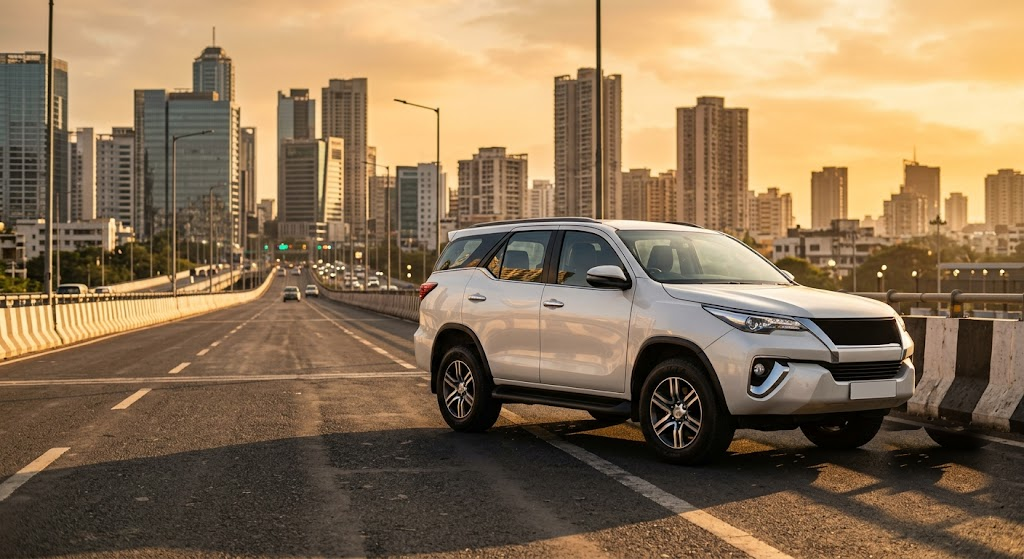
RBI Holds, Growth Slips to 6.6%: Best Cars to Buy in H2 2026
With the RBI holding rates at 5.25%, FY27 growth trimmed to 6.6%, and Iran's Hormuz disruption still rattling oil markets, the macro picture right now sends clear signals about which cars Indian buyers should prioritise — and which decisions to stop deferring.
On June 28, 2026, the Reserve Bank of India's Monetary Policy Committee held the repo rate steady at 5.25%, but the accompanying projections told a more cautious story: FY27 GDP growth was trimmed to 6.6% and the inflation forecast was nudged up to 5.1%. Earlier that same week, oil markets were still digesting Iran's brief closure of the Strait of Hormuz — the narrow waterway through which a significant share of global seaborne crude passes — before an interim US-Iran peace arrangement partially eased that pressure. Threading through it all is India's freshly concluded trade pact with the United Kingdom, which opens a quota of approximately 3.78 lakh vehicles to concessional import duties spread across the next 15 years. Three distinct macro forces, one urgent question for Indian car buyers: what do they collectively mean for on-road prices, EMI costs, fuel bills, and which specific models are the smartest buys right now?
The repo rate hold at 5.25% is the most directly relevant number for anyone planning to finance a vehicle. With the RBI opting to hold rather than hike — even as it raised its inflation projection — car loan rates from banks and NBFCs are unlikely to move sharply in the near term. A ₹10 lakh loan at an indicative rate of around 9–9.5% over a five-year tenure works out to a monthly EMI in the approximate range of ₹20,700 to ₹21,000, a level that has remained broadly stable through the first half of 2026. The simultaneous downgrade to FY27 growth signals a more cautious demand environment, which limits automakers' ability to push through aggressive price increases without hurting volumes. For buyers who have been waiting for the right moment, this is it: borrowing costs are flat, manufacturers are incentivised to keep prices competitive, and the festive-season demand surge is still months away.
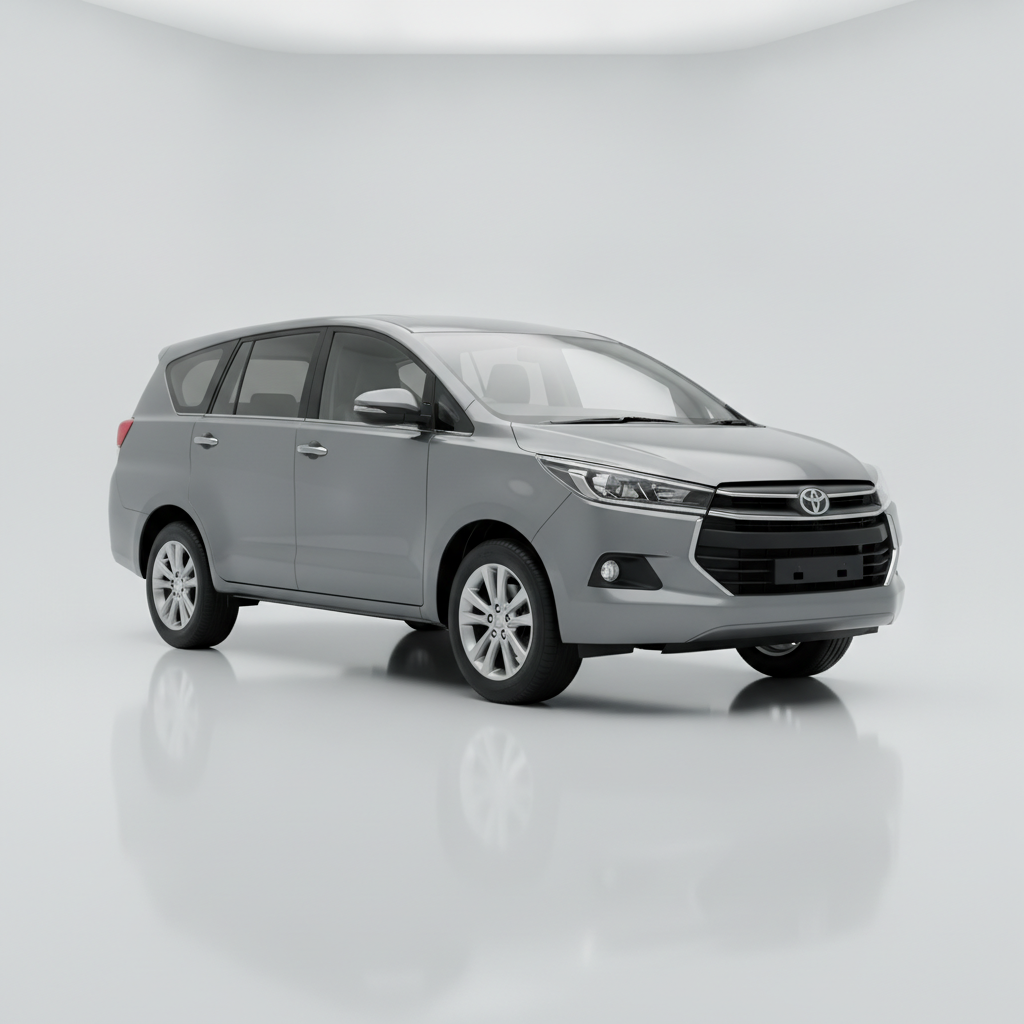
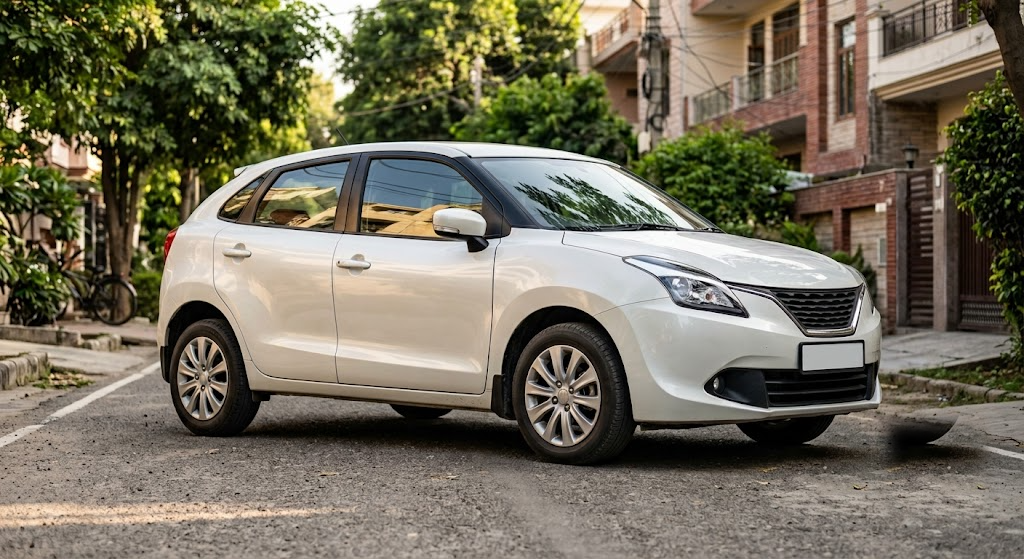
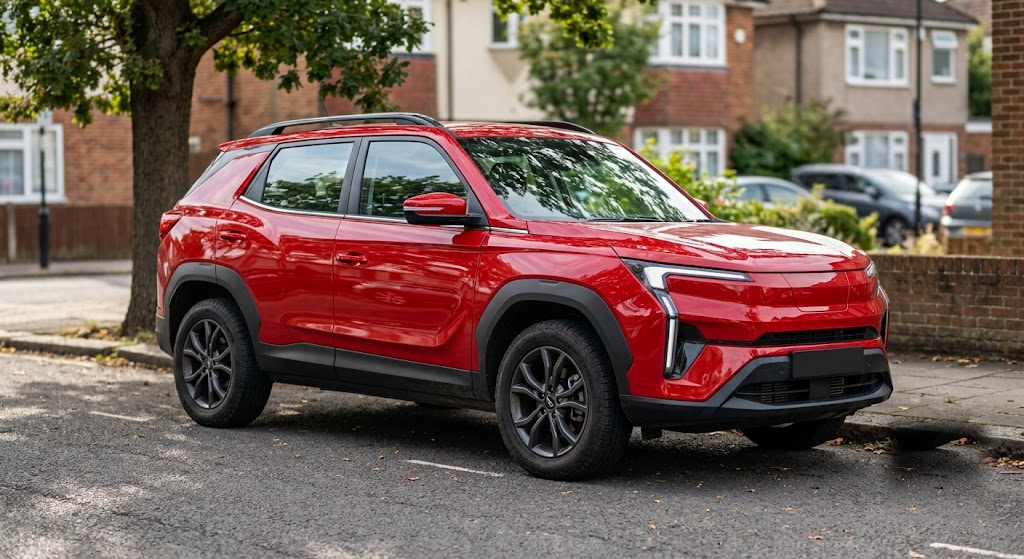
The Hormuz episode is a reminder that global crude prices can spike sharply on geopolitical flashpoints, even when a near-term resolution follows. India imports the vast majority of its crude requirement, making domestic petrol and diesel retail prices vulnerable to any sustained oil-price elevation. This makes fuel efficiency a more important purchase criterion than it was 18 months ago. The [Toyota Innova Hycross](/cars/toyota-innova-hycross) self-charging hybrid, starting at ₹19.3 lakh, returns up to 21.1 kmpl — meaningfully better than a comparable non-hybrid MUV — and the premium it commands over a petrol-only variant begins to recover within a few years at current fuel prices, faster if crude moves higher again. At the sub-₹7 lakh entry level, the [Maruti Suzuki Baleno](/cars/maruti-suzuki-baleno) CNG variant (from ₹6.65 lakh, 22.35 kmpl on petrol) and the [Hyundai Aura](/cars/hyundai-aura) CNG (from ₹6.65 lakh, up to 20.5 kmpl) remain the sharpest fuel-cost hedges for city and semi-urban commuters. For buyers ready to exit the fossil-fuel equation entirely, the [Mahindra BE 6](/cars/mahindra-be-6) — from ₹18.9 lakh with a claimed ARAI range of 490 km — is India's most compelling domestically built electric SUV at present and carries zero exposure to petrol or diesel price swings.
The India-UK Free Trade Agreement's car-import clause — approximately 3.78 lakh vehicles at concessional duties over 15 years — is generating genuine buyer curiosity, particularly among those eyeing premium UK-manufactured models. Context matters, though. Spread across 15 years, the annual implied quota is roughly 25,000 vehicles, a sliver of India's multi-million-unit passenger-vehicle market. Tariff reductions will be phased in gradually, not delivered as an immediate lump-sum cut, and the benefit is specific to cars built in the United Kingdom. Models like the [Mini Cooper](/cars/mini-cooper) — manufactured at BMW's Oxford plant and currently priced from ₹44.9 lakh — could see incremental adjustments over time, but the first-year impact on showroom stickers will be modest. European luxury cars sourced from elsewhere — the [Mercedes-Benz C-Class](/cars/mercedes-benz-c-class) from ₹60 lakh and the [Volvo XC40](/cars/volvo-xc40) from ₹45 lakh among them — are unaffected by this UK-origin concession altogether. Waiting for dramatic price drops from the trade deal before committing to a purchase is not a defensible strategy for 2026.
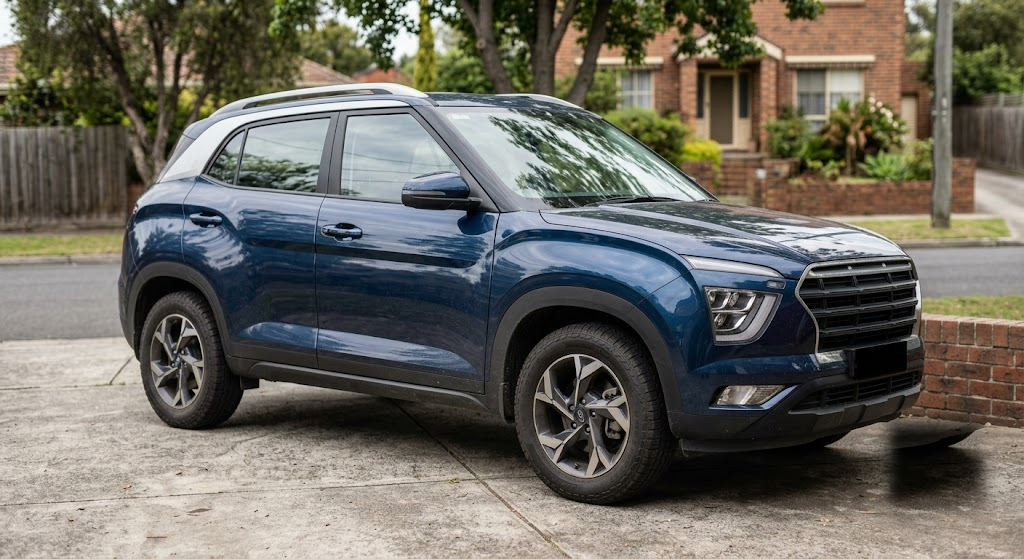
Against this combined macro backdrop — stable lending rates, elevated fuel uncertainty, and a UK duty concession that will take years to fully materialise — the strongest purchases today cluster around domestic production and genuine fuel efficiency. In the volume SUV segment, the [Hyundai Creta](/cars/hyundai-creta) (from ₹11 lakh, up to 17.4 kmpl petrol) and the [Kia Seltos](/cars/kia-seltos) (from ₹10.99 lakh, up to 20.7 kmpl in diesel) are both locally assembled, shielding buyers from exchange-rate moves and import-tariff shifts. The [Honda City](/cars/honda-city) hybrid (from ₹11.9 lakh, 18.4 kmpl) delivers saloon practicality with a meaningful fuel edge for buyers who prefer a three-box layout. At the entry level, the [Tata Nexon](/cars/tata-nexon) diesel (from ₹8 lakh, 23.2 kmpl) stands out as one of the most efficient sub-compact SUVs on sale, and being manufactured domestically, it is entirely insulated from the tariff and currency risks that affect imported models.
The macroeconomic signal for H2 2026 is cautious optimism, not alarm. The RBI's rate hold preserves car-loan affordability; the trimmed growth forecast and higher inflation projection together argue for choosing a fuel-efficient model over a thirsty one; and the UK trade agreement's 15-year phase-in means there is no rational case for deferring a purchase while waiting for import-duty savings that will arrive only gradually. The practical buyer's playbook is clear: prioritise locally assembled vehicles with strong fuel efficiency or alternative-fuel options — hybrids, CNG variants, or EVs — that sit well clear of both currency risk and tariff exposure. Lock in financing at today's flat rates, negotiate assertively in a market where manufacturer price-hike headroom is limited, and do not let evolving trade-policy headlines produce decision paralysis. The buying window is good right now. Use it.