Rate Hike Paused, Inflation at 5.1%: 4 Cars to Buy in July
With the RBI holding rates steady even as inflation rises to 5.1%, July 2026 opens a narrow but real window for Indian car buyers — and the models that exploit it best are already on sale.

India's central bank delivered a message on July 5 that every prospective car buyer should parse carefully. The Reserve Bank of India's Monetary Policy Committee held the repo rate at 5.25% for the third consecutive meeting, revised FY27 inflation upward to 5.1% — above its own 4% midpoint target — and trimmed the GDP growth forecast to 6.6%. Governor Sanjay Malhotra simultaneously described rate hike discussions as premature, signalling that the committee intends to hold even as consumer prices push higher. Set against that, there are two pieces of welcome news: West Asia tensions have measurably eased, reducing the tail risk of an oil-price shock that analysts at Delhi School of Economics had flagged as the key downside to the 6.6% growth outlook; and domestic GST collections alongside auto sales are rising strongly, confirming that household and business spending has not lost momentum despite complicated global headwinds.
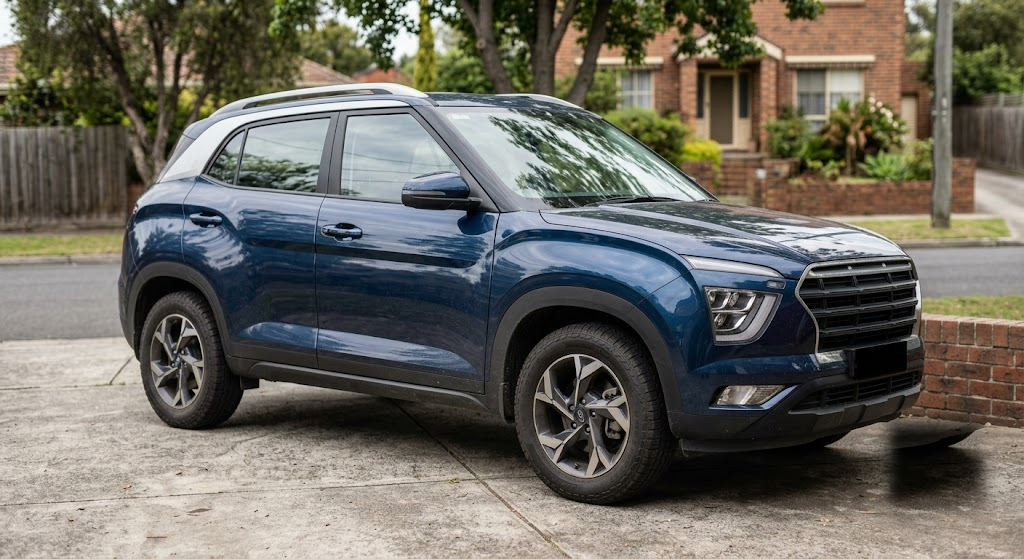
What does a held repo rate actually mean in the showroom? Car loan rates at major banks and NBFCs are broadly set at the repo rate plus a lender spread, so with the benchmark at 5.25%, floating car loan rates have been hovering in the 8.5%–9.5% per annum range through mid-2026. On a financed Hyundai Creta (from ₹11 lakh) over five years at approximately 9%, the EMI works out to roughly ₹22,800 a month. A Honda City petrol-hybrid (from ₹11.9 lakh) on the same terms sits near ₹24,700. The urgency is real: with inflation at 5.1% and above target, the RBI will face growing pressure to act if the number does not moderate in the September–October review window. Buyers who lock in a fixed-rate car loan this month are effectively insulating themselves from the next policy turn; those who take variable-rate financing are betting the hold extends well into 2027.
The global picture adds a second layer of pressure for anyone eyeing an import-heavy vehicle. On July 3, the UK's Society of Motor Manufacturers and Traders flagged significant trade policy challenges facing automotive supply chains — a warning that resonates in India, where premium European marques draw heavily on UK and Continental parts ecosystems. Cars sold in India as completely built units already carry import duties that roughly double their ex-factory price; any further tightening of cross-border component flows can extend waiting periods and trigger mid-year price corrections. The Volvo XC40 (from ₹45 lakh), Mercedes-Benz C-Class (from ₹60 lakh), and Porsche Macan (from ₹88 lakh) remain compelling products, but buyers at this price point should request confirmed allocation timelines from dealers and build in a price-escalation buffer before signing.
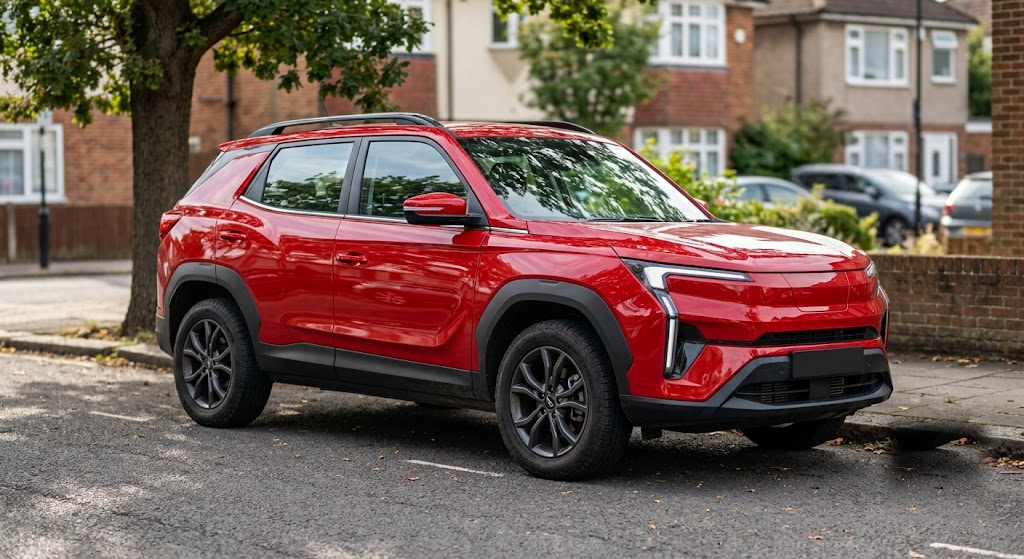
Contrast that import exposure with what Mahindra's leadership publicly described as "Attack Mode" on July 7 — a deliberate posture of accelerating domestic launches and capacity investment precisely because global uncertainty is pressuring foreign competitors. The Mahindra BE 6 electric SUV (from ₹18.9 lakh, 490 km ARAI-rated range on its 59 kWh pack) is assembled in India, making it structurally insulated from rupee-dollar volatility and import-tariff risk that weigh on CBU rivals. The Mahindra XUV700 (from ₹13.99 lakh), Tata Harrier diesel (from ₹15.49 lakh, 16.8 kmpl), and Hyundai Creta (from ₹11 lakh, 17.4 kmpl) share a similar profile — locally built, benefiting from the same healthy GST regime that has pushed government revenues higher and underpins continued EV subsidy frameworks at the state level.
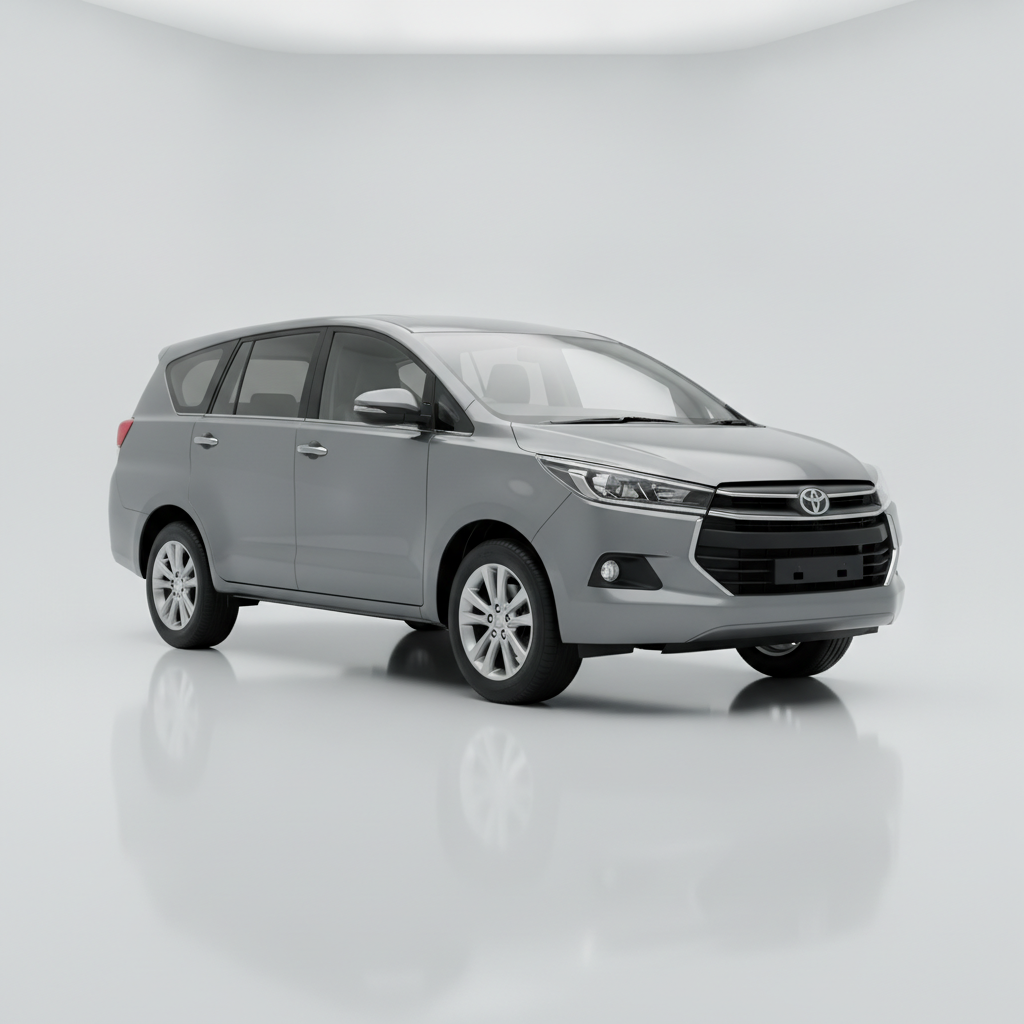
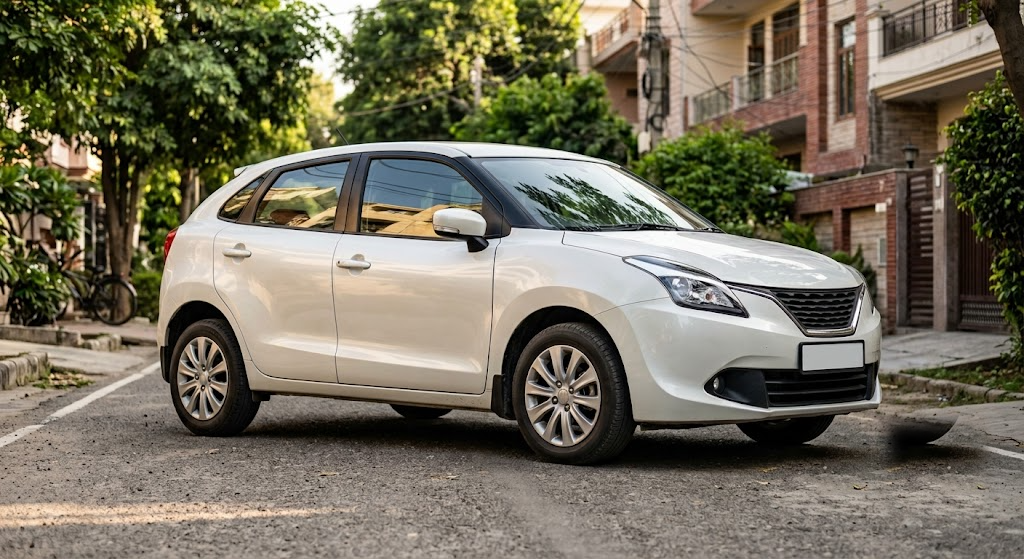
For buyers ready to act, three segments stand out clearly. In the value-efficiency bracket, the Maruti Suzuki Baleno CNG (from ₹6.65 lakh, 22.35 kmpl equivalent) and Hyundai Exter CNG (from ₹6 lakh, 19.4 kmpl equivalent) offer an inflation hedge hardwired into the powertrain — CNG fuel costs run roughly 35–40% below petrol at current city pump prices, cushioning households against any energy-cost rebound if West Asia demand recovers faster than expected. In the mainstream SUV segment, the Kia Seltos (from ₹10.99 lakh, up to 20.7 kmpl diesel) and Hyundai Creta diesel deliver strong total cost of ownership with locally assembled supply security. At the family-mover end, the Toyota Innova Hycross petrol-hybrid (from ₹19.3 lakh, 21.1 kmpl) turns the macro environment into a direct monthly saving: hybrid technology cuts real-world fuel consumption by roughly 25–30% versus a comparable pure-petrol MUV, and that benefit compounds proportionally if oil prices tick up on any geopolitical reversion.
The practical takeaway for July 2026 is layered but actionable. A held repo rate, an easing geopolitical risk premium on oil, and surging domestic auto sales together create a window that is real but not permanent — inflation at 5.1% means the RBI's next move is statistically more likely upward than downward once the data warrants it. Acting now means locking in a fixed or fixed-reset rate loan, choosing a domestically assembled model to sidestep import-tariff turbulence, and selecting a fuel-efficient powertrain — hybrid, diesel, or CNG — to hedge running costs simultaneously. The Hyundai Creta, Honda City hybrid, Maruti Baleno CNG, Mahindra BE 6, and Toyota Innova Hycross best embody this logic in the current catalogue: domestically anchored supply chains, accessible EMIs at today's rates, and fuel-efficiency numbers that keep ownership costs predictable regardless of what global trade routes do next.