Auto Boom, Oil Risk, Stable EMIs: 5 Smart Buys for July 2026
With Iran's Strait of Hormuz closure rattling crude markets, RBI keeping rates on hold, and India's auto sales accelerating, July 2026's macro backdrop has very specific — and actionable — implications for which car you should buy and which to hold off on.

India's passenger vehicle market is posting some of its strongest numbers in recent memory — GST collections and auto sales are trending upward in tandem, even as the global economy navigates a fresh set of shocks. The most consequential external development right now is Iran's effective closure of the Strait of Hormuz, the narrow chokepoint through which roughly a fifth of the world's seaborne crude oil travels. Oil-price volatility has returned to the headlines with a force not seen in years, and while India's central bank is clearly in no hurry to raise the benchmark repo rate — RBI Governor Sanjay Malhotra has explicitly called rate-hike talk premature — global supply chain pressures are quietly building, with automotive networks in Europe already flagging policy headwinds. For Indian car buyers, this convergence of stable domestic credit conditions and genuine external uncertainty creates a specific and time-limited decision window.
With the RBI repo rate on hold and no near-term hike signalled, auto loan rates remain broadly stable at mid-2026 levels. A buyer financing a mid-segment SUV at around ₹12 lakh over five years can still expect EMIs in roughly the ₹22,000–24,000 range — largely unchanged from the start of the year. That stable credit environment is the single biggest tailwind for fence-sitters: locking in a loan today means insulating yourself from any rate adjustment that could arrive if prolonged crude-price pressure eventually forces a monetary response. The window of affordable EMIs is real, but it is not guaranteed to stay open through year-end, and waiting carries more cost than most buyers appreciate.
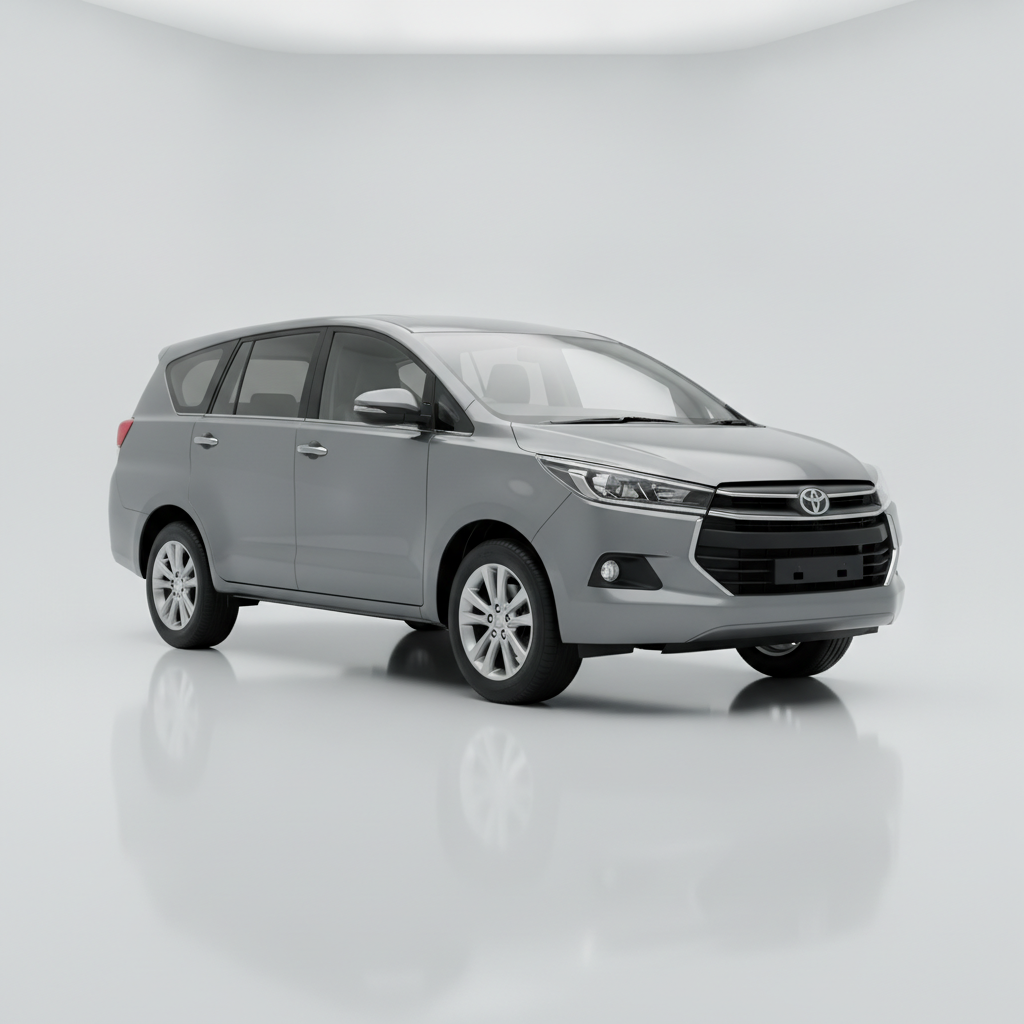
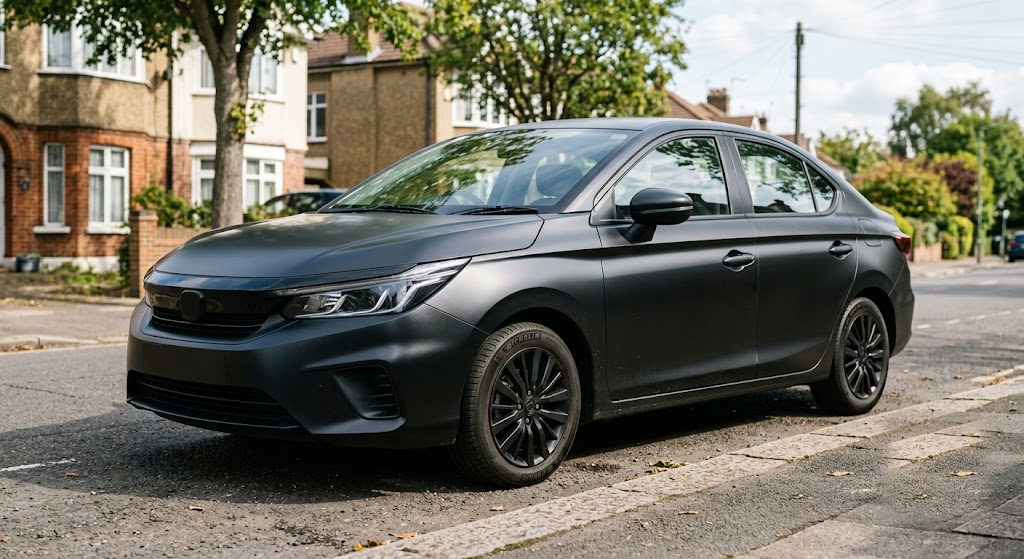
An oil shock is also an efficiency shock, and that changes the ranking of which car makes financial sense. Every additional rupee on petrol prices per litre inflates monthly running costs in a direct, unavoidable way. The [Toyota Innova Hycross](/cars/toyota-innova-hycross) petrol-hybrid — returning a claimed 21.1 kmpl and starting at ₹19.3 lakh — becomes a meaningfully stronger buy precisely when fuel prices are climbing, because its hybrid system cuts real-world fuel consumption substantially in city stop-go traffic. For buyers in the ₹7–11 lakh range, the [Maruti Suzuki Baleno](/cars/maruti-suzuki-baleno) at ₹6.65 lakh leads the mainstream segment with a class-topping claimed 22.35 kmpl, making it arguably the most inflation-resistant purchase available in the market today. The [Honda City](/cars/honda-city) petrol-hybrid, from ₹11.9 lakh and returning a claimed 18.4 kmpl, rounds out an efficiency-first shortlist for buyers who want a smart sedan over an SUV.
Global supply chain risk cuts very differently depending on how a car actually reaches Indian showrooms. Vehicles imported as fully assembled CBUs carry a structurally higher exposure to currency swings and logistics disruptions than models manufactured domestically at scale. The [Mercedes-Benz GLC](/cars/mercedes-benz-glc), starting at ₹74 lakh, and the [Porsche Macan](/cars/porsche-macan) from ₹88 lakh sit in a more exposed position in the current environment: any prolonged Hormuz disruption that weakens the rupee against the dollar directly inflates the landed cost of these imports, and tightening global freight capacity could extend waiting periods well beyond current estimates. If a CBU luxury model is already on your shortlist, placing an order now might lock in today's pricing — but be prepared for a longer delivery window and factor that uncertainty into your decision.
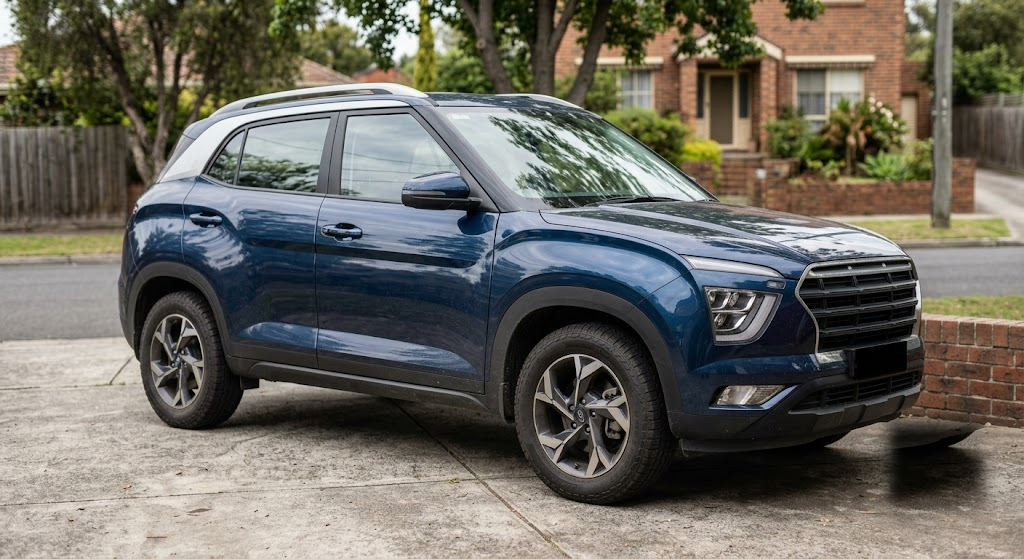
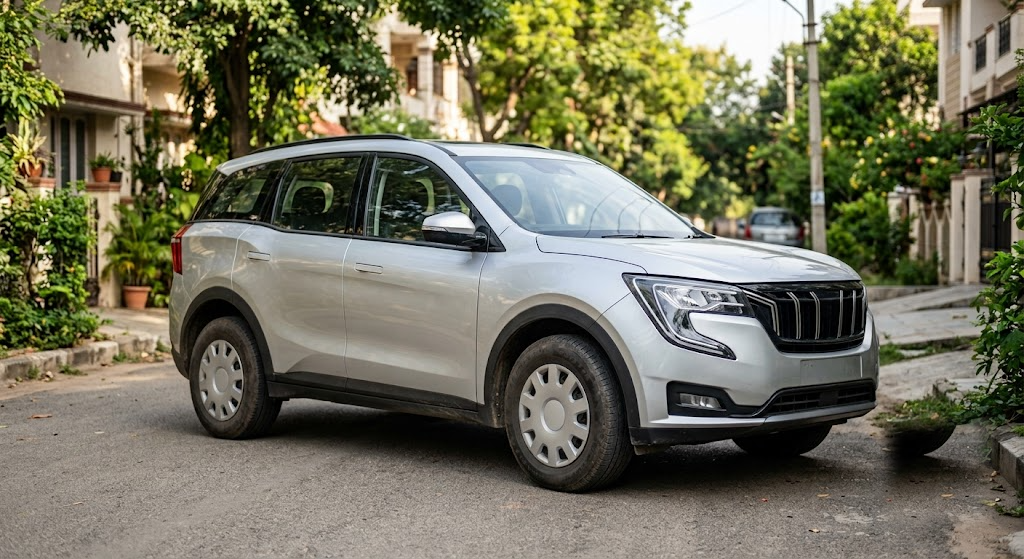
Domestically manufactured vehicles with deep local content are the natural beneficiaries of this macro backdrop. The [Mahindra XUV700](/cars/mahindra-xuv700), from ₹13.99 lakh and assembled at Mahindra's Chakan plant with substantial local sourcing, is structurally insulated from rupee-dollar cost pressures. The [Hyundai Creta](/cars/hyundai-creta) from ₹11 lakh, built at Hyundai's Chennai plant, combines domestic manufacturing scale with one of the segment's strongest resale values — making mid-cycle ownership genuinely cost-effective. The [Kia Seltos](/cars/kia-seltos) from ₹10.99 lakh, produced at Kia's Anantapur facility, offers similar logic with a broader powertrain choice. For buyers ready to make the EV leap, the [Mahindra BE 6](/cars/mahindra-be-6) at ₹18.9 lakh is the most macro-resilient option of all: a domestically assembled electric vehicle eliminates petrol price risk entirely, and with most charging done at home overnight tariffs, running costs stay predictable regardless of what happens at the Strait of Hormuz.
The practical takeaway for July 2026 is this: favour locally built, fuel-efficient models while EMI conditions remain stable, and treat a hybrid or high-mileage petrol drivetrain as direct insurance against the fuel-price uncertainty that a sustained Hormuz disruption would bring. Hold off on speculative upgrades to fully imported luxury vehicles unless your timeline can comfortably absorb potential price revisions or extended waits. The Innova Hycross hybrid, Baleno, Honda City hybrid, XUV700, and Creta together represent the strongest combination of macro resilience and real daily value currently available to Indian buyers. If your shortlist is already finalised, the current rate environment sends one clear signal: hesitation carries more risk than reward.