
What car maintenance really costs over five years
Service intervals, wear items and the hidden costs that decide the true price of ownership.
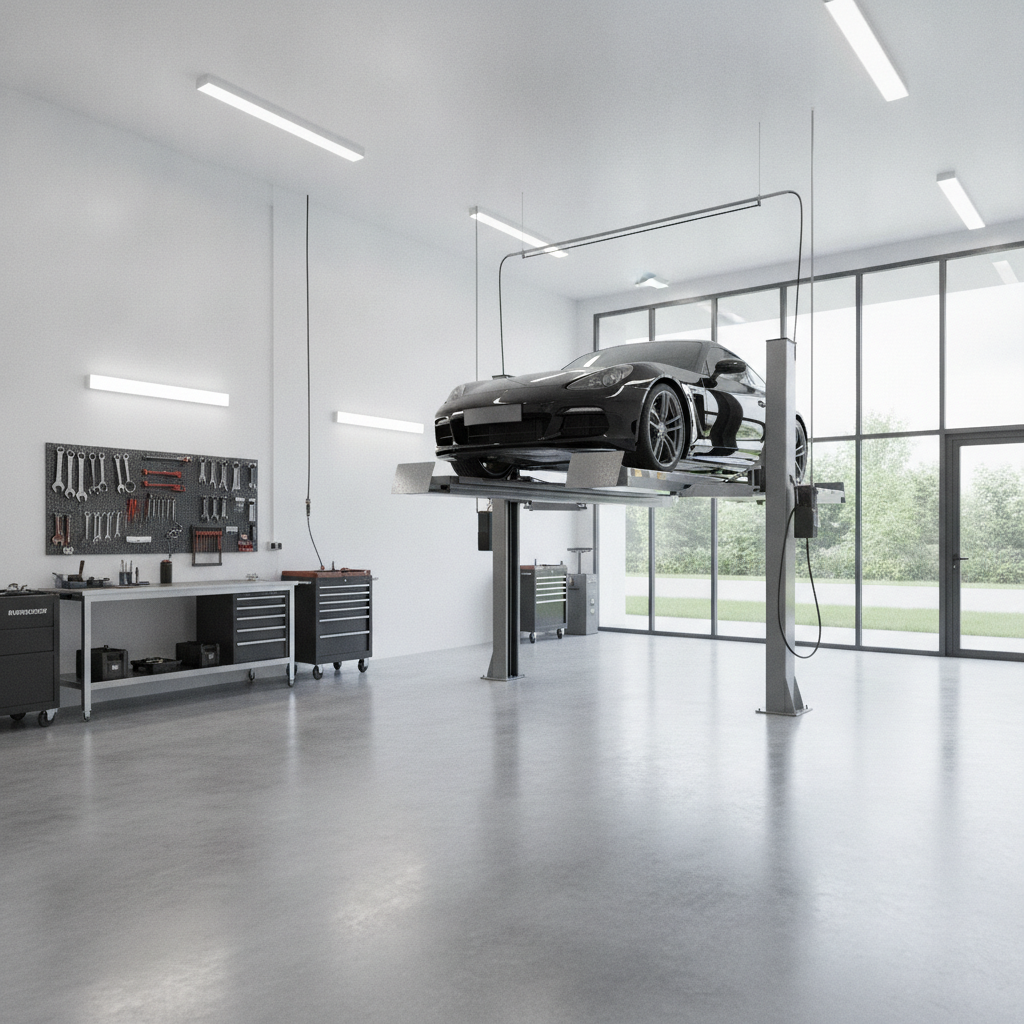
The cheapest car to buy is not always the cheapest to own. Maintenance cost is driven by three things: how often the car needs servicing, how much each service costs, and how expensive its wear-and-tear parts are.
Routine servicing usually follows a fixed schedule — every so many kilometres or once a year, whichever comes first. Petrol cars are generally cheaper to service than diesels; electric cars are cheapest of all because they have far fewer moving parts and no oil changes.
Wear items are the quiet budget line. Tyres, brake pads, the battery, wiper blades and the air-conditioning all wear out on a predictable cycle. On larger or heavier cars, tyres and brakes cost noticeably more to replace, so a bigger vehicle costs more even when nothing goes wrong.
Two practical habits keep costs down: service on time rather than skipping intervals to save money in the short term, and keep every service record. A complete history not only avoids expensive surprises, it meaningfully raises the resale value when you eventually sell.