
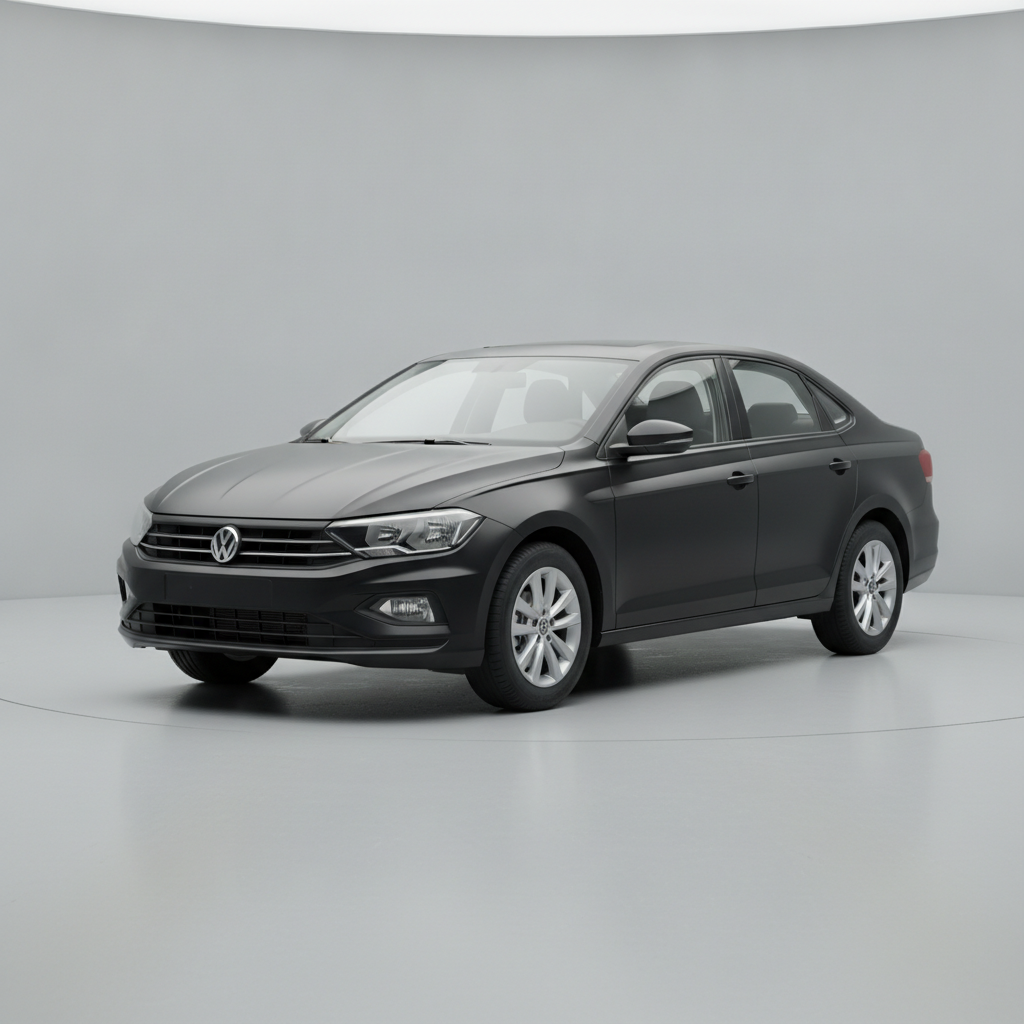
 1 / 1
1 / 1Illustrative AI renders — not manufacturer photographs.
Volkswagen Virtus
German-engineered sedan with substance and style
Volkswagen Virtus review
The Volkswagen Virtus is a mid-size sedan built on the India-focused MQB-A0-IN platform, sharing its bones with the Skoda Slavia. It pitches itself to buyers who still prefer a three-box saloon over an SUV, offering a planted European ride, two turbo-petrol engines, and a roomy cabin. Available in a sensibly equipped Dynamic line and a sportier GT line, the Virtus aims to blend everyday practicality with genuine driving enjoyment at a competitive price.
On the road, the Virtus is where it earns its keep. The 1.0 TSI three-cylinder is the volume engine and it is genuinely likeable, with strong mid-range pull and a willing nature whether paired with the six-speed manual or the smooth torque-converter automatic. Enthusiasts will gravitate to the 1.5 TSI GT, whose 148 bhp and quick-shifting seven-speed DSG make it one of the most engaging cars in the segment. Ride quality leans firm but stays composed, soaking up bad roads better than its sharp handling would suggest, and high-speed stability is a clear strength.
Inside, the cabin is well laid out and feels solidly built, with a clean dashboard, a 10-inch touchscreen, a digital cockpit, and a sunroof on higher trims. Rear-seat space is generous in both legroom and headroom, and the 521-litre boot is among the largest here. That said, the design is more functional than plush, some plastics feel ordinary for the price, and the feature list trails Korean rivals in areas like ventilated seats and a 360-degree camera, which are simply not offered.
The Virtus also scored a full five stars in Global NCAP's tougher crash protocol, giving it real credibility on safety with six airbags, ESC, and multi-collision braking as standard. Running costs are reasonable for a turbo-petrol, though real-world economy is average rather than class-leading, and Volkswagen's service network and per-visit costs remain points buyers should factor in.
Overall, the Virtus is a car that rewards people who actually enjoy driving. It does not chase a spec-sheet war, instead leaning on engineering fundamentals — refinement, dynamics, safety, and a grown-up road manner — to make its case.
Pros & cons
What we like
- Excellent ride and handling balance
- 5-star Global NCAP safety rating
- Punchy, refined turbo-petrol engines
- Large 521-litre boot and roomy rear
- Fun GT variant with DSG gearbox
What could be better
- No diesel or strong-hybrid option
- Misses features like ventilated seats
- Service costs higher than mass-market rivals
- Interior plastics feel plain in places
Volkswagen Virtus price & variants
| Variant | Fuel / Transmission | Ex-showroom |
|---|---|---|
| Comfortline 1.0 TSI MT Best value | PetrolManual | ₹11.56 Lakh |
| Highline 1.0 TSI MT | PetrolManual | ₹13.49 Lakh |
| Highline 1.0 TSI AT | PetrolAutomatic | ₹14.99 Lakh |
| Topline 1.0 TSI AT | PetrolAutomatic | ₹16.65 Lakh |
| GT Plus 1.5 TSI DSG | PetrolAutomatic | ₹18.40 Lakh |
| GT Plus Sport 1.5 TSI DSG | PetrolAutomatic | ₹19.80 Lakh |
Key specifications
Model Overview
Engine & Transmission
Dimensions & Capacity
Fuel & Performance
Comfort & Convenience
Safety
Volkswagen Virtus colours
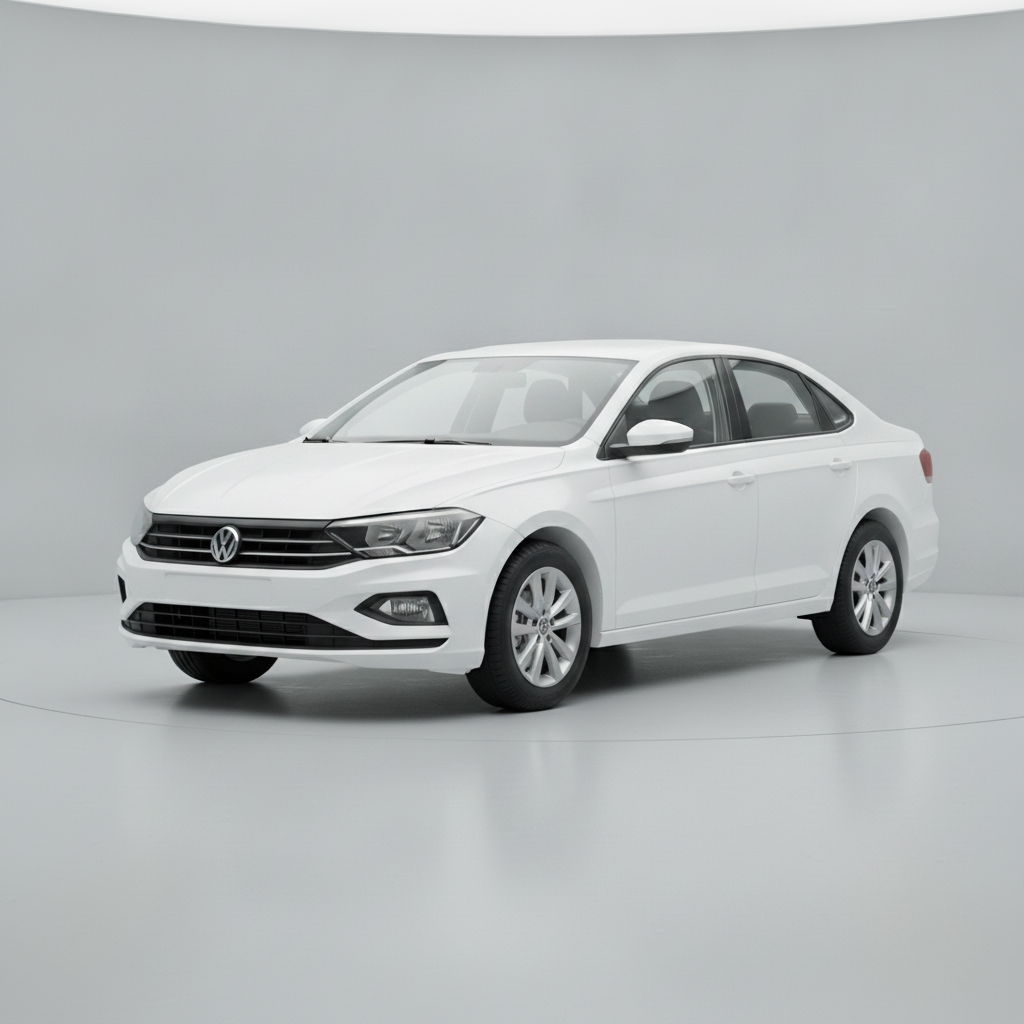 Candy White
Expert rating breakdown
Owner reviews
The 1.0 TSI is the sweet spot
I drive about 1,200 km a month and the small turbo never feels short of breath. The build quality and the way it holds the highway at 100-120 kmph is far ahead of my old hatchback. Only gripe is the touchscreen occasionally lags on startup.
Safe and spacious for the family
We bought it mainly for the 5-star rating and the big boot, and it has delivered on both. Rear seat is comfortable for my parents on long trips. I do wish it had ventilated seats for Chennai summers, and service prices are a bit steep.
GT DSG put a smile back on my commute
The 1.5 TSI with cylinder deactivation is genuinely quick and still returns decent mileage on the highway. The DSG is crisp once you learn its habits. For the money there is nothing this engaging in the segment right now.
Alternatives to the Volkswagen Virtus
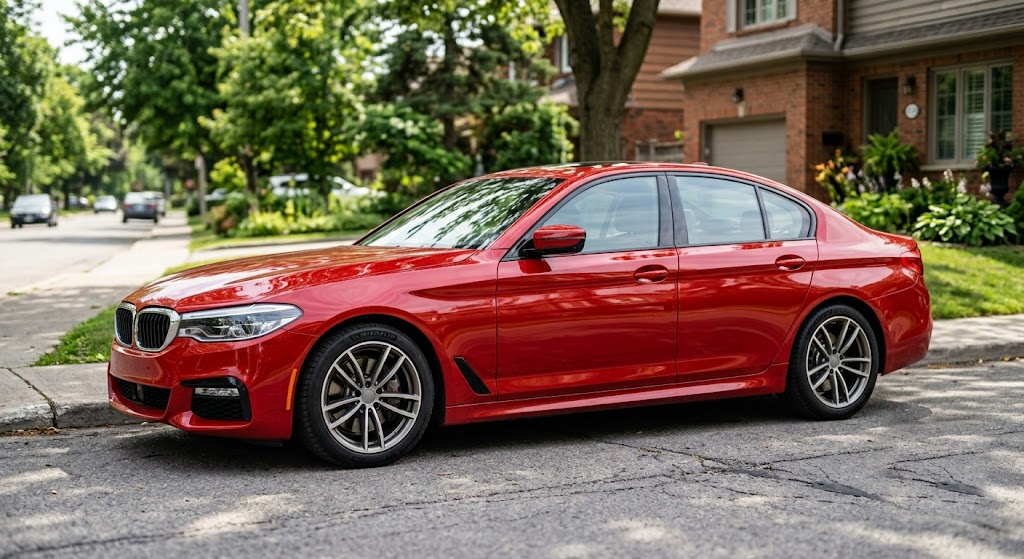
BMW 5 Series
4.4₹72.90 Lakh – ₹85.00 LakhEx-showroom
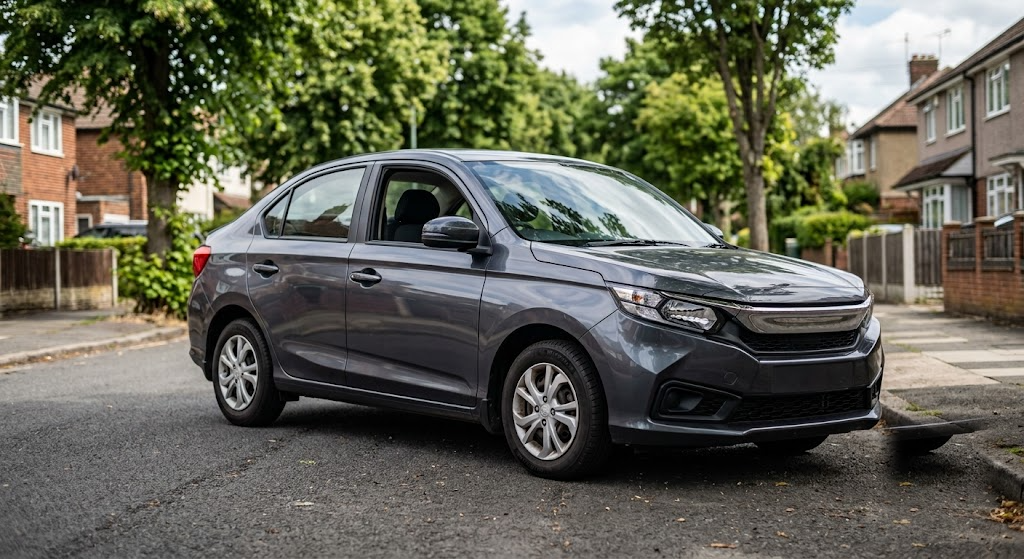
Honda Amaze
4.0₹7.99 Lakh – ₹11.05 LakhEx-showroom
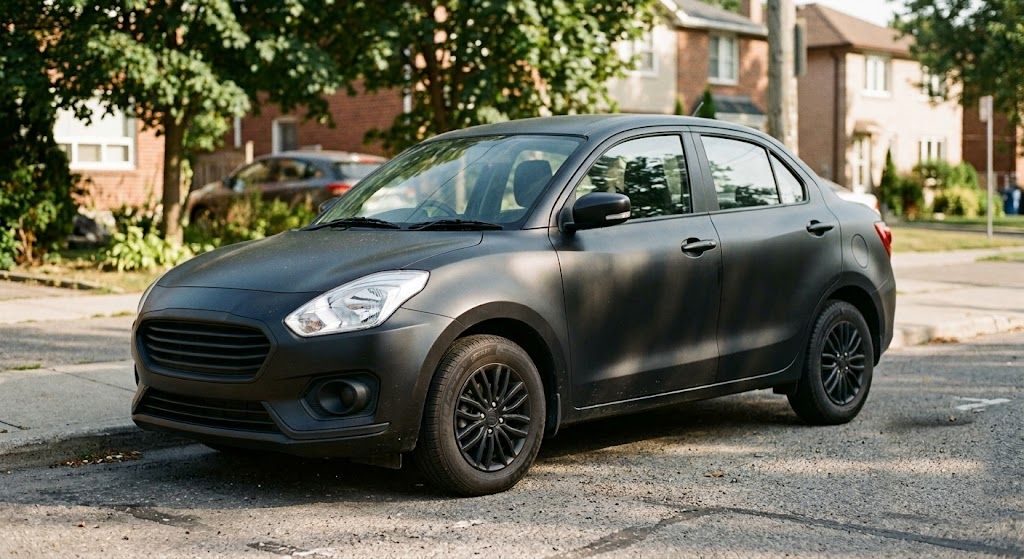
Maruti Suzuki Dzire
4.2₹6.79 Lakh – ₹10.15 LakhEx-showroom
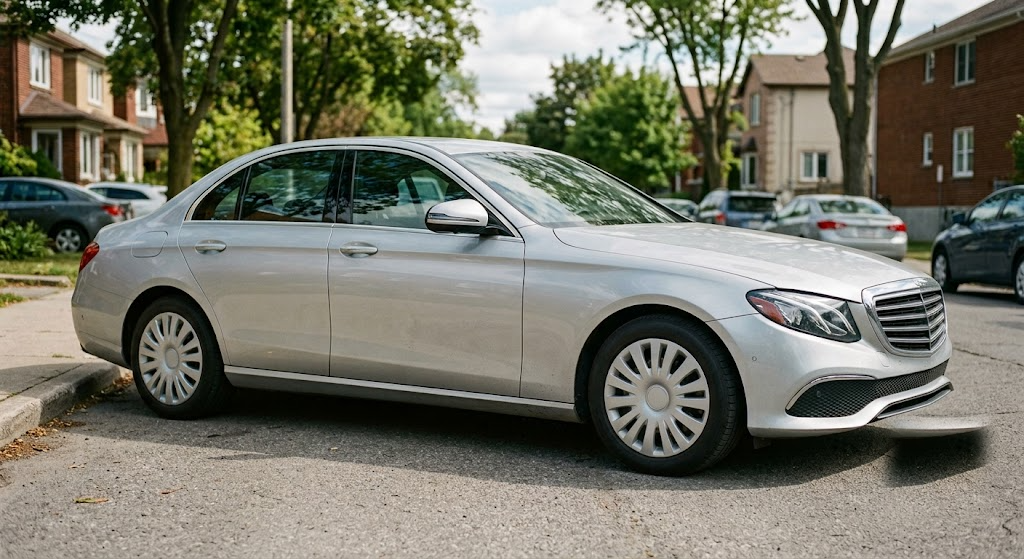
Mercedes-Benz E-Class
4.4₹78.50 Lakh – ₹92.50 LakhEx-showroom
Volkswagen Virtus — frequently asked questions
Does the Volkswagen Virtus come with a diesel engine?
No. The Virtus is offered only with petrol power — a 1.0-litre TSI and a more powerful 1.5-litre TSI. There is no diesel, CNG, or hybrid option.
Which Virtus variant offers the best value?
The 1.0 TSI Highline strikes the best balance, bundling the touchscreen, digital cockpit, sunroof, and key safety kit without the GT's premium. The GT Plus DSG is the pick if performance matters most.
How safe is the Volkswagen Virtus?
Very. It earned a full 5-star adult and child occupant rating in Global NCAP's updated crash tests, and gets six airbags, ESC, and multi-collision braking as standard across the range.
What is the real-world mileage of the Virtus?
Expect roughly 14-16 kmpl in city driving and 17-19 kmpl on the highway with the 1.0 TSI. The 1.5 TSI is a touch thirstier in the city but its cylinder deactivation helps on long cruises.
How big is the boot and is the rear seat spacious?
The boot measures 521 litres, among the largest in the segment, and the long wheelbase delivers generous rear legroom and headroom suitable for three adults on shorter journeys.
What is the difference between the Dynamic and GT lines?
The Dynamic line uses the 1.0 TSI engine with manual or automatic gearboxes and a comfort focus. The GT line gets the 148 bhp 1.5 TSI with a DSG, sportier styling, red accents, and paddle shifters.
Image is an AI-generated illustration. Specifications and prices are indicative and may vary by variant and city — please confirm with an authorized dealer. Last updated 2026-06-25.