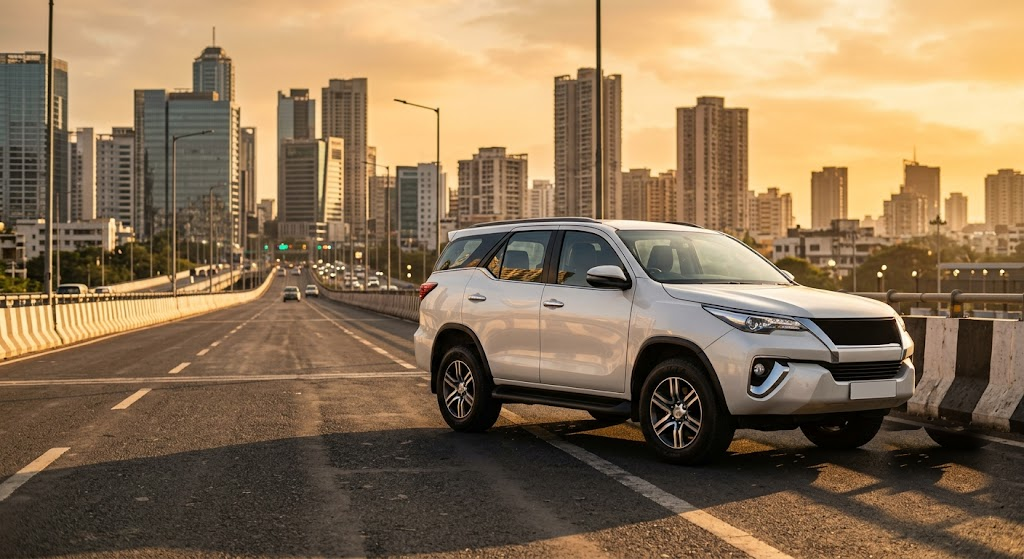
Steady Rates, Rising GST: 4 Smart Car Buys for July 2026
With the RBI ruling out rate hikes, GST collections climbing, and Hormuz oil risk still smouldering, July 2026 is a macro moment that directly shapes which cars Indian buyers should — and shouldn't — be signing for right now.
India's GST collections rose meaningfully in June 2026 even as passenger vehicle sales maintained their upward trajectory — a domestic resilience story running against a fairly turbulent global grain. Iran's closure of the Strait of Hormuz in late June sent crude oil futures lurching, while the UK's automotive sector flagged serious structural strain on supply chains tied to shifting trade policies. Back home, RBI Governor Sanjay Malhotra publicly dismissed talk of a repo rate hike as "premature," cementing expectations of a stable monetary environment through at least the next policy cycle. For Indian car buyers, this confluence of domestic optimism, global supply chain nervousness, and oil price uncertainty is not just background noise — it is a set of live variables that should directly influence what you buy, when you buy it, and how you finance it.
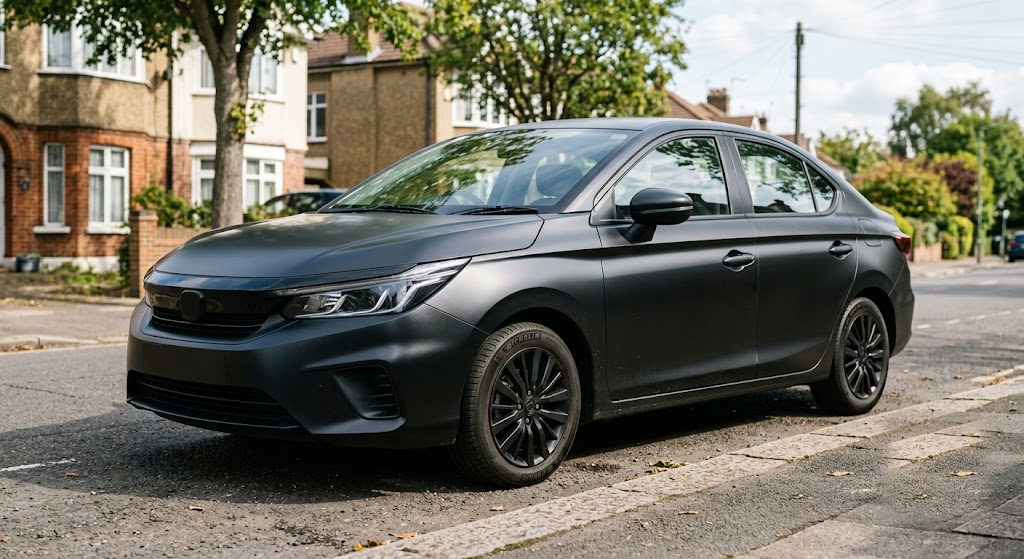
Start with the good news: the RBI's steady-rate posture is the most buyer-friendly macro factor of mid-2026. Car loan rates from most banks and NBFCs currently sit in the 8.5–10% range, and with the governor explicitly cooling rate-hike expectations, those numbers are unlikely to spike before the next quarterly review. On a [Honda City](/cars/honda-city) — starting at ₹11.90 lakh with 18.4 kmpl efficiency — a five-year loan at around 9% works out to roughly ₹19,000–₹21,000 per month, a level that remains manageable for upper-middle-income households. The petrol-hybrid variant pushes efficiency further and amortises its premium more comfortably in a low-rate environment. Buyers waiting for rates to fall further may be waiting indefinitely; the RBI is clearly in hold mode, not cut mode, and acting now locks in today's relatively benign cost of borrowing.
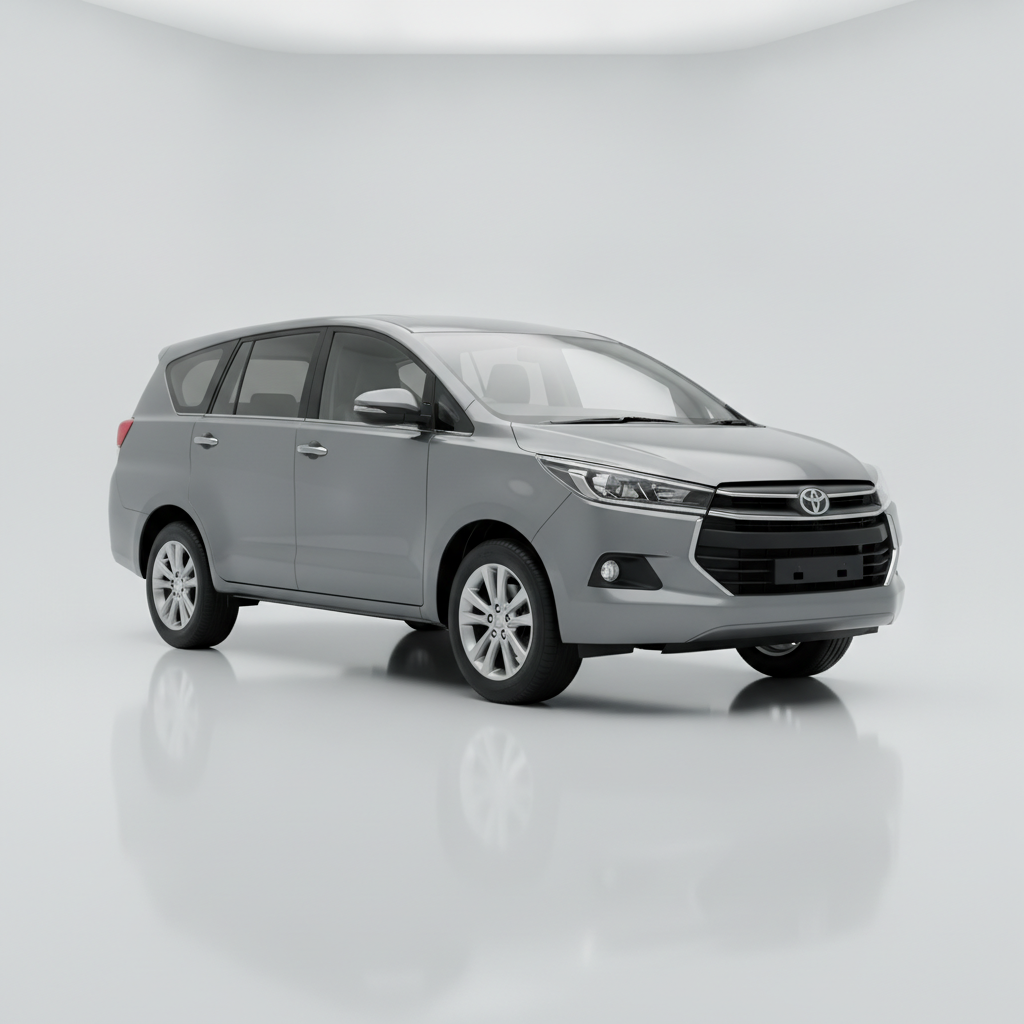
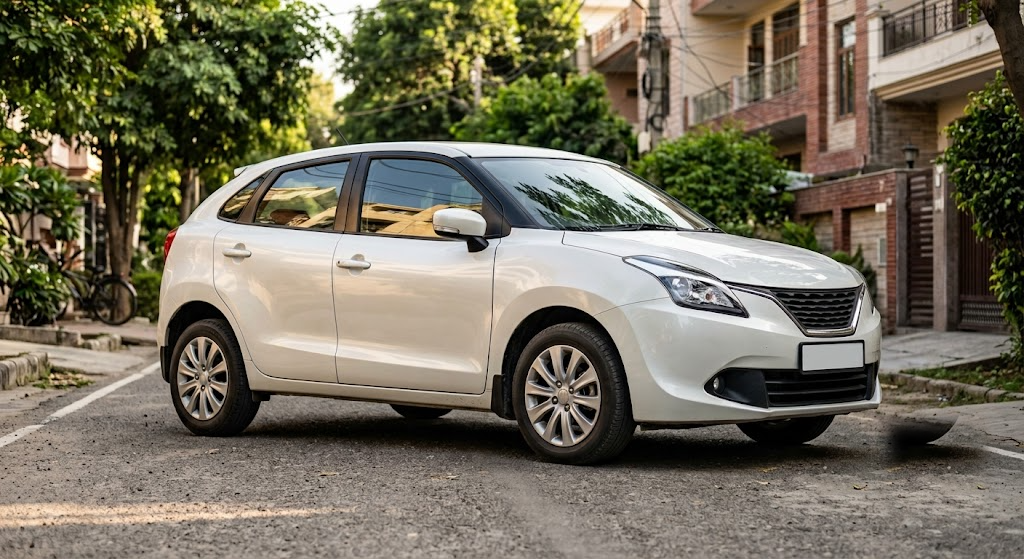
The supply chain angle is less discussed but equally important. Warnings from the UK's automotive sector — published just this week — reflect a broader reality: global trade policy is increasingly unpredictable, and vehicles relying on long international supply chains carry a latent cost risk. For Indian buyers, this matters most at the top of the market. Fully Built Units (CBUs) like the [Lexus ES](/cars/lexus-es) (from ₹64.20 lakh, petrol hybrid, 22.4 kmpl) and the [Mercedes-Benz GLC](/cars/mercedes-benz-glc) (from ₹74 lakh) are priced partly on rupee-dollar dynamics and import duties that can be recalibrated as trade conditions shift. A 1–2% rupee slide against the dollar, or a tightening of key trade routes, can quietly add lakhs to a CBU sticker before the next model cycle. Domestically assembled models — from the ₹6.65 lakh [Maruti Suzuki Baleno](/cars/maruti-suzuki-baleno) to the ₹19.30 lakh [Toyota Innova Hycross](/cars/toyota-innova-hycross) — carry no such exposure and are the safer structural bet in a world of unpredictable tariffs.
The Hormuz risk is where fuel costs enter the picture. Even though an interim diplomatic arrangement has cooled the immediate crisis, the episode is a stark reminder of how quickly Indian pump prices can respond to upstream supply shocks. India imports the large majority of its crude, and any sustained disruption to Hormuz flows translates directly to retail fuel price revisions. This makes fuel efficiency a form of insurance right now, not merely a monthly budget line. The [Maruti Suzuki Baleno](/cars/maruti-suzuki-baleno) (22.35 kmpl, from ₹6.65 lakh) leads the hatchback segment on this metric by a comfortable margin. Step up in size and the [Toyota Innova Hycross](/cars/toyota-innova-hycross) petrol-hybrid (21.1 kmpl, from ₹19.30 lakh) is genuinely remarkable for a seven-seat MUV — its electric assistance provides real insulation against a fuel cost spike. Buyers who want to eliminate oil exposure entirely will find the [Mahindra BE 6](/cars/mahindra-be-6) (490 km ARAI range, from ₹18.90 lakh) and [Tata Nexon EV](/cars/tata-nexon-ev) (465 km claimed range, from ₹12.99 lakh) convert Hormuz headlines into something they can safely ignore.
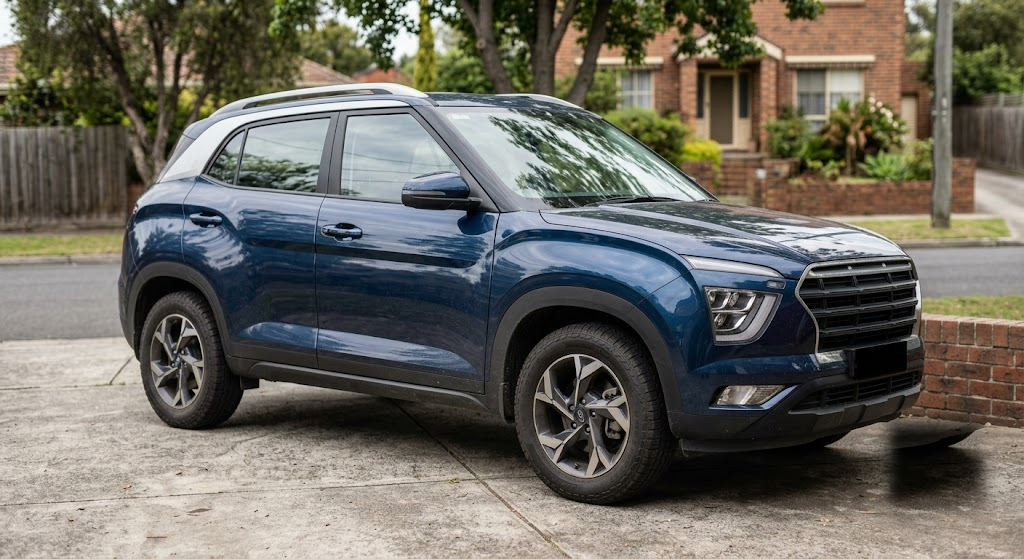
Putting it all together, here are four models the current macro backdrop makes specifically compelling. The [Hyundai Creta](/cars/hyundai-creta) (from ₹11 lakh, 17.4 kmpl petrol) is domestically assembled, ships in petrol and diesel variants, and sits in India's highest-volume segment — meaning parts, service, and resale values are all well-supported regardless of global disruptions. The [Honda City](/cars/honda-city) hybrid earns extra marks in a stable-rate, oil-uncertain environment: its efficiency advantage compounds meaningfully over a five-year ownership cycle and the EMI maths is comfortable right now. For families needing three rows on a sensible budget, the [Kia Carens](/cars/kia-carens) (from ₹11 lakh, up to 21.3 kmpl diesel) combines local assembly credentials with one of the segment's best diesel returns. And in the under-₹9 lakh space, the [Kia Sonet](/cars/kia-sonet) (from ₹8 lakh, 18.4 kmpl) offers diesel efficiency and strong manufacturing stability at a price point where EMIs stay comfortable even if rates nudge marginally higher.
The practical summary for July 2026 is this: lock in your loan while rates are in a holding pattern, favour domestically assembled models shielded from import duty and supply chain volatility, and weight fuel efficiency more heavily than you might in a stable oil environment. Rising GST collections and firm auto sales signal that the market is not about to hand out deep discounts — dealer inventory is moving and urgency is a genuine factor. If you are eyeing a CBU luxury import like the [Mercedes-Benz C-Class](/cars/mercedes-benz-c-class) (from ₹60 lakh), run the currency and timing numbers carefully; a 30–60 day window before any potential rupee softening or trade-friction repricing is worth taking seriously. For the vast majority of buyers, however, today's macro picture is more supportive than alarming: stable EMIs, a growing domestic economy, and well-stocked showrooms make this a reasonable moment to stop researching and start buying.