Oil Eases, Rates Hold: 5 Smart Car Buys for Mid-2026
A rare alignment of falling oil prices, a stable repo rate, and a freshly upgraded GDP forecast is quietly creating one of the better car-buying windows India has seen in three years — if you know which segment to target.
Goldman Sachs raised its India GDP growth forecast to 6.8% on 26 June, pointing to the rapid unwinding of the oil price shock that had rattled markets earlier in 2026 — itself a knock-on effect of an interim US-Iran peace agreement cooling crude supply fears. Two days earlier, RBI Governor Sanjay Malhotra publicly called rate-hike discussions 'premature,' all but confirming that the repo rate will stay pat well into the second half of the year. Layer onto this the India-UK Free Trade Agreement provision — announced 18 June — that permits 3.78 lakh British-origin vehicles to enter India at concessional duty over the next 15 years, and the macro backdrop heading into July is unusually buyer-friendly. None of these signals arrives in isolation; together, they reshape the arithmetic on EMIs, running costs, and which specific cars deserve a second look right now.
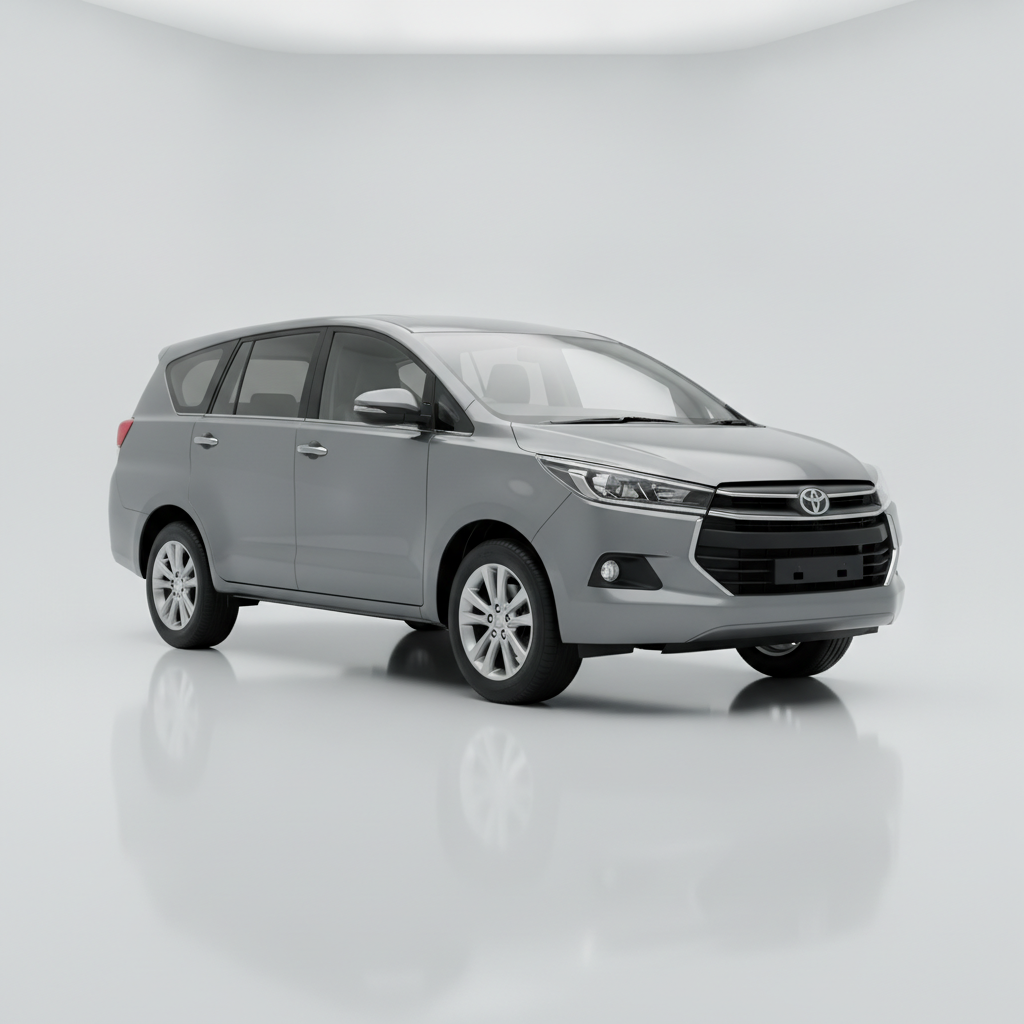
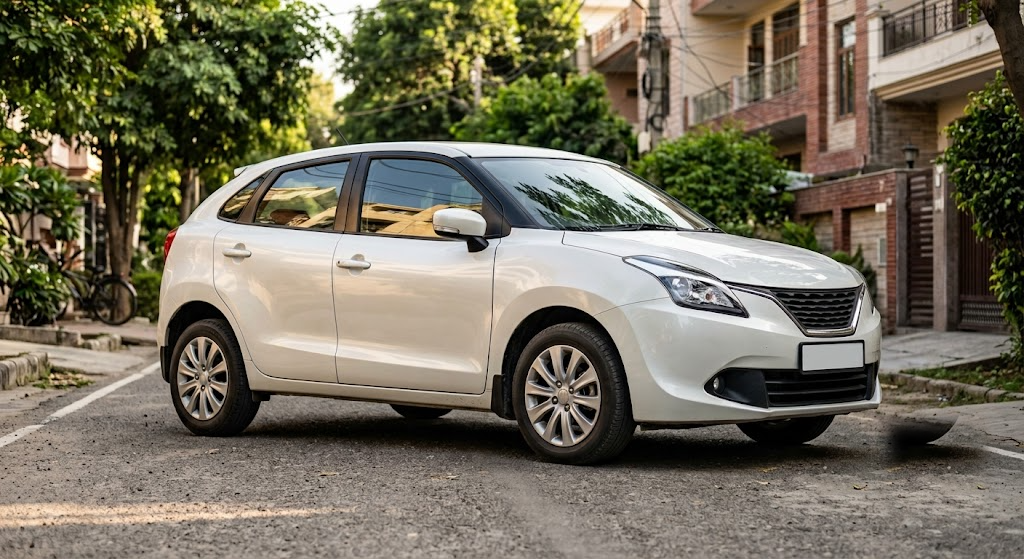
The most immediate benefit lands at the fuel pump. Global crude's retreat from its mid-year highs has not yet translated into domestic petrol price cuts — state-run oil companies move cautiously — but downward pressure is building. For buyers doing the numbers on total cost of ownership, even a modest per-litre dip shifts the calculus toward petrol over diesel for urban commuters covering under 1,500 km a month. The [Maruti Suzuki Baleno](/cars/maruti-suzuki-baleno) (22.35 kmpl, from ₹6.65 lakh) and the [Hyundai Verna](/cars/hyundai-verna) (20.6 kmpl, from ₹11 lakh) sit at opposite ends of the price band but both return strong real-world petrol efficiency that compounds nicely if pump prices ease further. The bigger argument, though, belongs to hybrids: the [Toyota Innova Hycross](/cars/toyota-innova-hycross) (21.1 kmpl in self-charging hybrid trim, from ₹19.3 lakh) saves fuel regardless of where crude settles, because its regenerative system harvests energy the petrol engine would otherwise waste. With a fresh wave of hybrid models confirmed for 2026-27, the Hycross also benefits from improving resale confidence in the powertrain category.
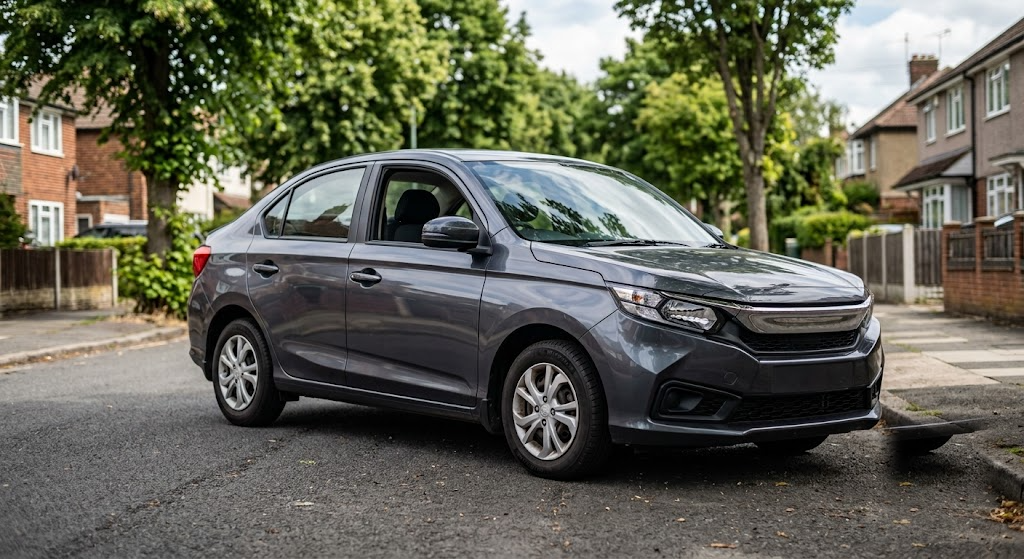
On the financing side, the RBI's rate-hold stance keeps car loan benchmarks anchored. Most major banks are currently pricing new-car loans in the 8.5–9.5% range, and with no hike signalled before year-end, those rates are unlikely to move upward in the near term. To put a number on why this matters: on a ₹10 lakh, five-year loan, a 25-basis-point rate increase adds roughly ₹130–150 to the monthly EMI — small in isolation, but meaningful when multiplied across tenure. The sweet spot for rate-sensitive buyers remains sub-₹10 lakh: the [Honda Amaze](/cars/honda-amaze) (18.65 kmpl, from ₹7.99 lakh) and the [Hyundai Venue](/cars/hyundai-venue) (18.4 kmpl, from ₹7.99 lakh) both produce EMIs comfortably under ₹18,000 per month at current rates. Buyers eyeing the mid-size SUV band should look at the [Kia Seltos](/cars/kia-seltos) (from ₹10.99 lakh) and [Hyundai Creta](/cars/hyundai-creta) (from ₹11 lakh) — domestically assembled, competitively financed, and with strong resale values that make the total-cost case even at current EMI levels.
The India-UK FTA's automotive clause deserves a clear-eyed reading before buyers start holding out for cheaper British metal. The 3.78 lakh concessional-duty allocation is phased across 15 years and governed by rules-of-origin requirements — meaning the duty relief reaches Indian showrooms gradually, with tangible price drops unlikely before late 2027 at the earliest. The brand most directly in the frame is MINI: the [Mini Cooper](/cars/mini-cooper) (from ₹44.9 lakh, UK-assembled) could see incremental price adjustments over successive duty-reduction cycles, but not yet. For buyers tracking European luxury, the [Mercedes-Benz C-Class](/cars/mercedes-benz-c-class) (from ₹60 lakh) and the [Volvo XC40](/cars/volvo-xc40) (from ₹45 lakh) are not UK-origin in any significant volume, so the FTA offers them little direct relief. Waiting for an import-duty windfall on these models is not a sound strategy in the 12-month horizon.
The German luxury segment carries a separate caution flag. The EU-US tariff framework — a partial deal that the German auto lobby welcomed in June, though residual levies remain — has kept upstream production costs elevated for completely built-up (CBU) imports. That pressure flows through to Indian prices on vehicles like the [Mercedes-Benz E-Class](/cars/mercedes-benz-e-class) (from ₹78.5 lakh) and the [Porsche Macan](/cars/porsche-macan) (from ₹88 lakh), which face India's own steep CBU import duty on top of the EU-US cost inflation. These prices are likely to hold firm or edge upward through the rest of 2026 — buyers who have been deliberating over a Mercedes GLC or GLE are not playing a waiting game that rewards patience.
The practical takeaway is segment-specific. If your budget falls between ₹7 lakh and ₹25 lakh and you are considering a locally assembled petrol or petrol-hybrid model, the window right now is genuinely favourable: loan rates are competitive, fuel costs are poised to ease, and there is no near-term macro trigger that suggests domestically produced car prices will fall. Acting before the October festive season — which historically tightens waiting periods and softens negotiation room — makes tactical sense. For the premium and luxury CBU segment, the advice inverts: do not anchor expectations to FTA-driven duty cuts in the short run, and recognise that EU-US trade friction adds a structural floor to German import prices. Buy what fits your finances today rather than speculating on a policy tailwind that may take years to arrive at the showroom.