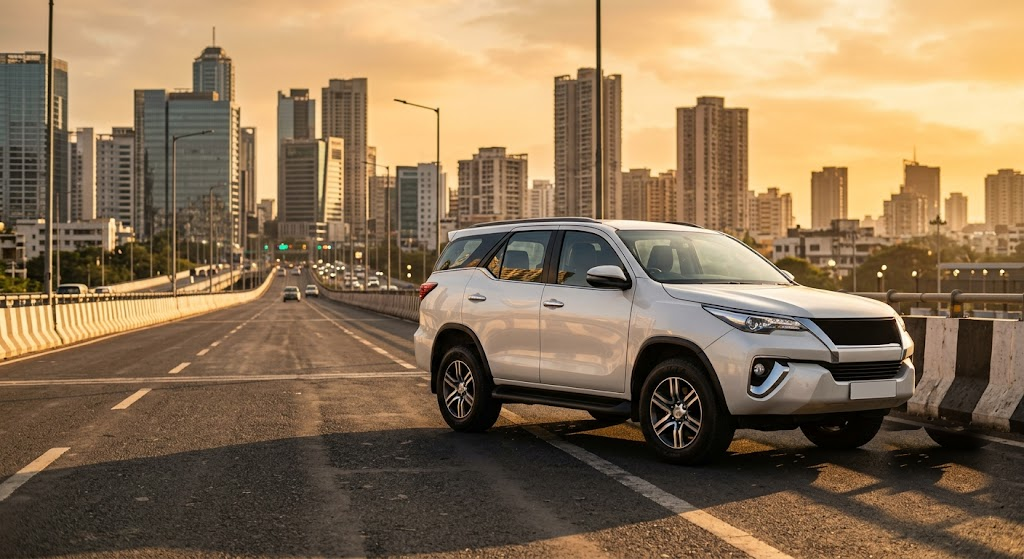
India-UK Car Quota & GDP Boost: What Buyers Must Know in 2026
Three macro signals have aligned at once — a new UK trade deal, a Goldman Sachs GDP upgrade to 6.8%, and a steady RBI rate — and together they reshape the smart-buy calculus for every Indian car buyer in mid-2026.
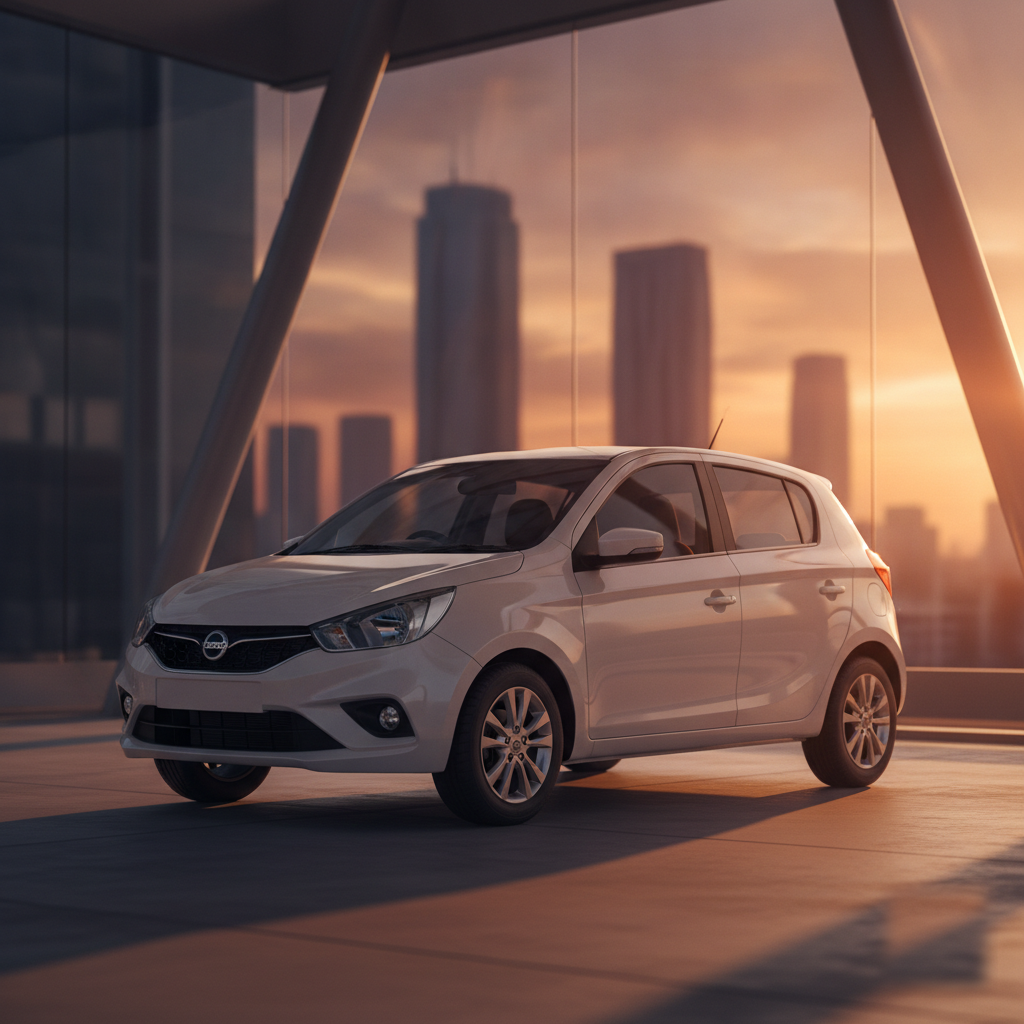
In a landmark shift for India's automotive import landscape, the India-UK Free Trade Agreement finalised in mid-2026 carves out a dedicated quota allowing up to 3.78 lakh British-manufactured cars to enter India at concessional customs duty across the first 15 years of the pact. The announcement, confirmed around June 18, arrived in the same fortnight that Goldman Sachs raised its India GDP forecast to 6.8% — citing the fading of an earlier oil-price shock — and RBI Governor Sanjay Malhotra publicly described rate-hike discussions as premature. For car buyers, three major macro signals have aligned at once: a new trade channel is opening, the economy is growing robustly, and borrowing costs are not heading higher anytime soon.
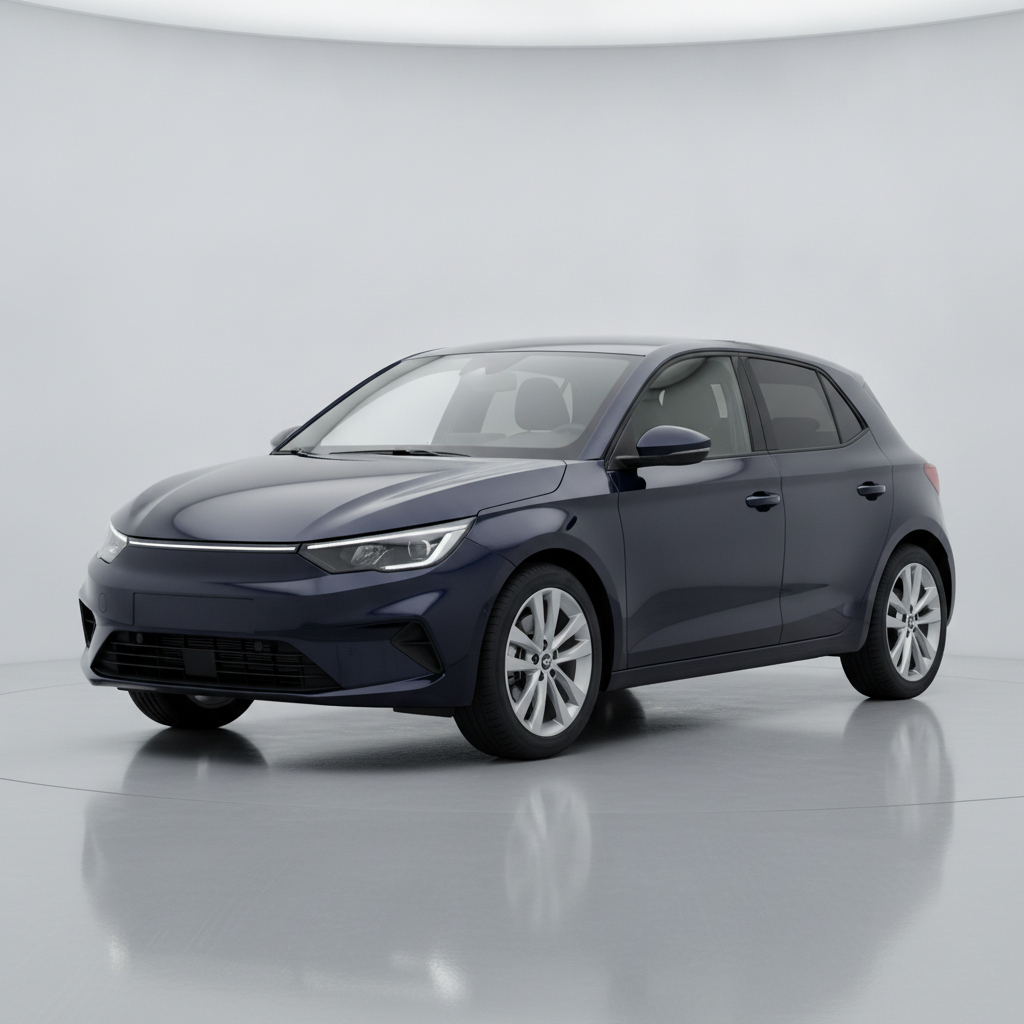
The duty angle matters most in the ₹30-lakh-and-above segment, where cars arrive as fully built units (CBUs) and face India's steepest import tariffs — sometimes exceeding 100% on the landed price for luxury vehicles. The UK FTA is structured as a phased reduction over 15 years, meaning significant savings on British-made cars will materialise gradually rather than overnight. The most directly relevant model in our catalogue is the MINI Cooper (starting ₹44.9 lakh), assembled at BMW's Oxford plant and squarely within the FTA's concessional quota. Buyers eyeing the MINI should understand that deep price cuts are still likely 2-3 years away as the duty schedule steps down — but the direction of travel is firmly downward, and there is no imminent trigger for a price spike either. It is worth asking your dealer now whether any phased duty adjustments will be reflected within current delivery windows.
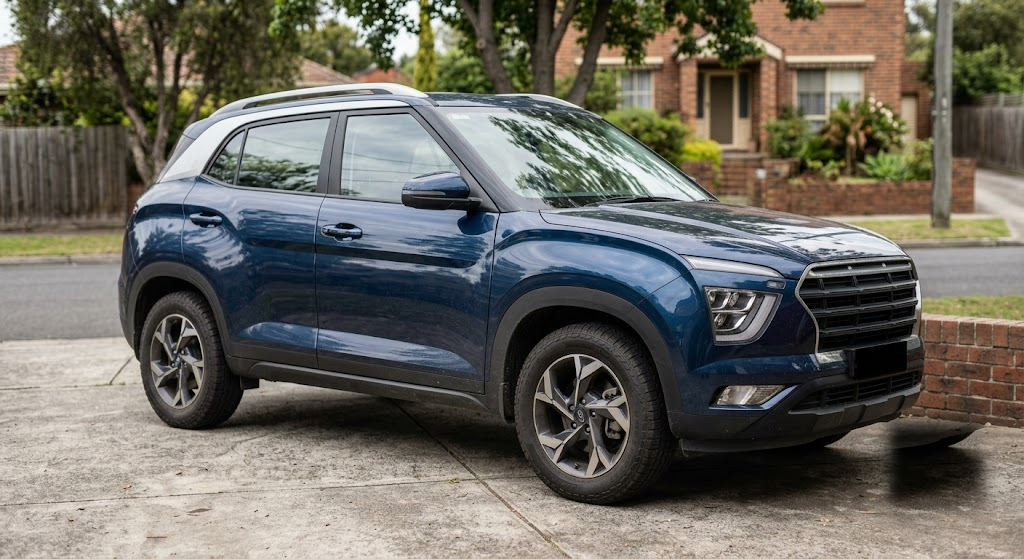
For the much larger mass-market segment, the more actionable lever is interest rates. With the RBI holding its repo rate steady and the Governor explicitly ruling out hike talk, auto loan rates at leading banks are sitting in the approximate 8.5-9.5% range for salaried borrowers. On an ₹11 lakh loan for a Hyundai Creta (starting ₹11 lakh, 17.4 kmpl) at roughly 9%, a five-year EMI works out to approximately ₹22,800 per month — a predictable monthly outgo in a stable-rate environment. The Kia Seltos (starting ₹10.99 lakh, up to 20.7 kmpl in the diesel variant) and Tata Nexon (starting ₹8 lakh, 17.4 kmpl petrol) occupy the same domestically assembled sweet spot: no tariff exposure, no rupee-dollar sensitivity, and no sharp price movement expected before year-end.
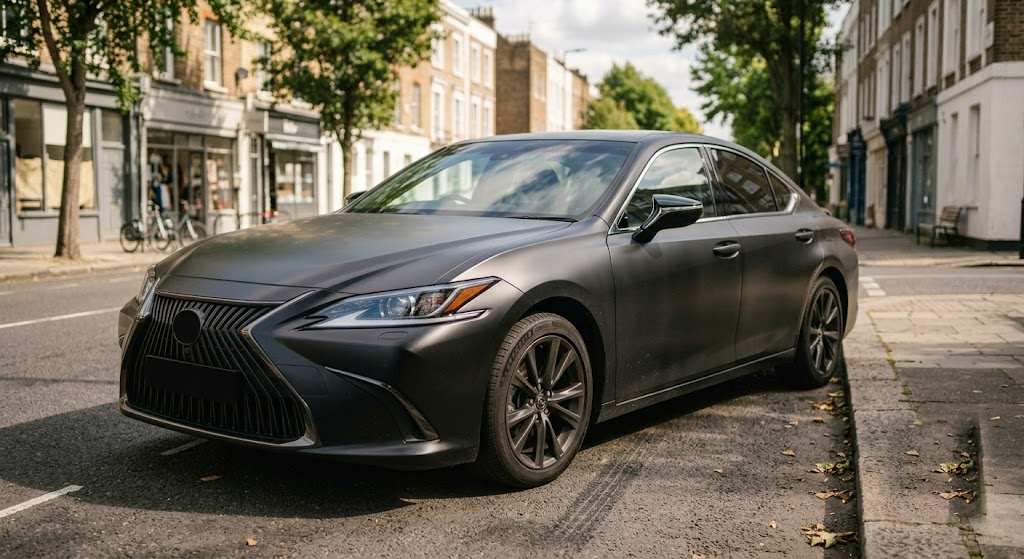
For the premium import segment, the picture is more nuanced. The Lexus ES Petrol Hybrid (starting ₹64.2 lakh, 22.4 kmpl) is Japanese-origin and outside the UK FTA's scope entirely, but the fading oil shock that underpinned Goldman Sachs's GDP upgrade also keeps petrol prices relatively contained — reinforcing the Lexus ES's running-cost case versus a Mercedes-Benz E-Class (starting ₹78.5 lakh, 14.8 kmpl). The Mercedes-Benz C-Class (starting ₹60 lakh) and GLC (starting ₹74 lakh) are European CBUs with no UK FTA benefit, and with EU-US tariff tensions still unresolved as of late June 2026, European supply-chain pricing carries a degree of uncertainty for the months ahead. Buyers considering a Volvo XC40 (starting ₹45 lakh) or XC60 (starting ₹67.9 lakh) face a similar equation — Swedish origin, no concessional import benefit, but also no obvious macro trigger for a sudden price jump given a broadly stable rupee.
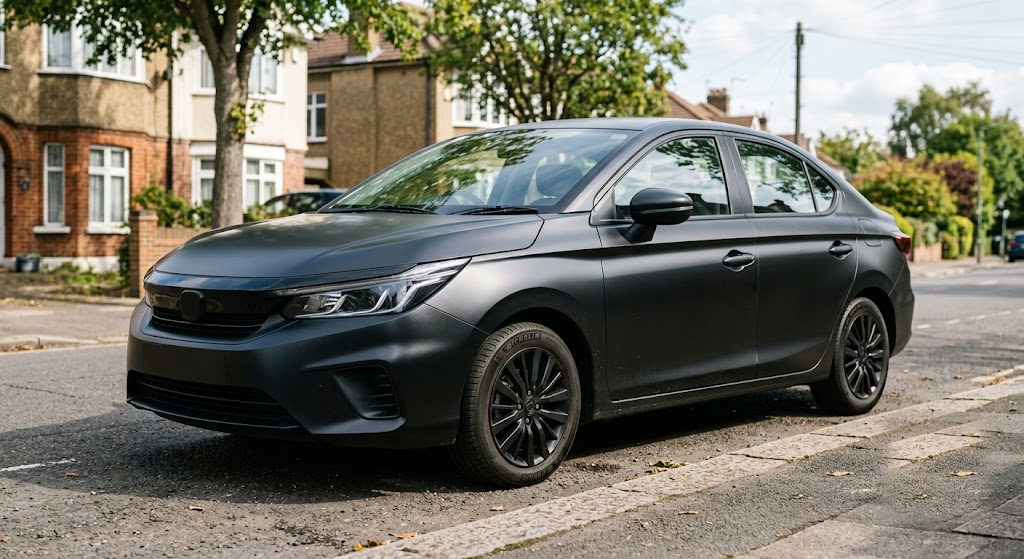
The Honda City (starting ₹11.9 lakh, 18.4 kmpl — available in a petrol-hybrid variant) and Honda Elevate (starting ₹11.3 lakh, 16.9 kmpl) round out the locally-assembled value story for buyers in the ₹11-15 lakh bracket. Both are insulated from import-duty swings, benefit directly from stable EMIs, and sit in a segment where 6.8% GDP growth typically translates to healthy resale values. For hybrid-curious buyers who want to capture the running-cost advantages now being spotlighted by the upcoming 2026-27 hybrid wave, the Honda City Hybrid at this price point is arguably the most accessible entry into electrified motoring in India.
The practical bottom line for June 2026: if your budget sits between ₹8 lakh and ₹15 lakh, the Hyundai Creta, Kia Seltos, Tata Nexon, Honda City, and Honda Elevate are all strong buys right now — stable EMIs, domestic assembly, and no tariff surprises in sight. If you are stretching to a MINI Cooper, the macro wind is behind you but patience over a 2-3 year horizon will be financially rewarded as the FTA duty schedule progresses. And if you are eyeing a German or Swedish luxury CBU — a C-Class, GLC, or XC40 — the UK FTA does not move the needle for you; watch EU-India trade-deal discussions instead, and in the meantime, treat today's stable borrowing rates as the main reason to act rather than wait.