India GDP at 6.8%: UK Trade Deal & What It Means for Car Buyers
A Goldman Sachs GDP upgrade, a steady repo rate, and India's landmark UK trade deal have converged to create one of the most buyer-friendly macro moments India's auto market has seen in years — but the benefits stack very differently depending on your budget.
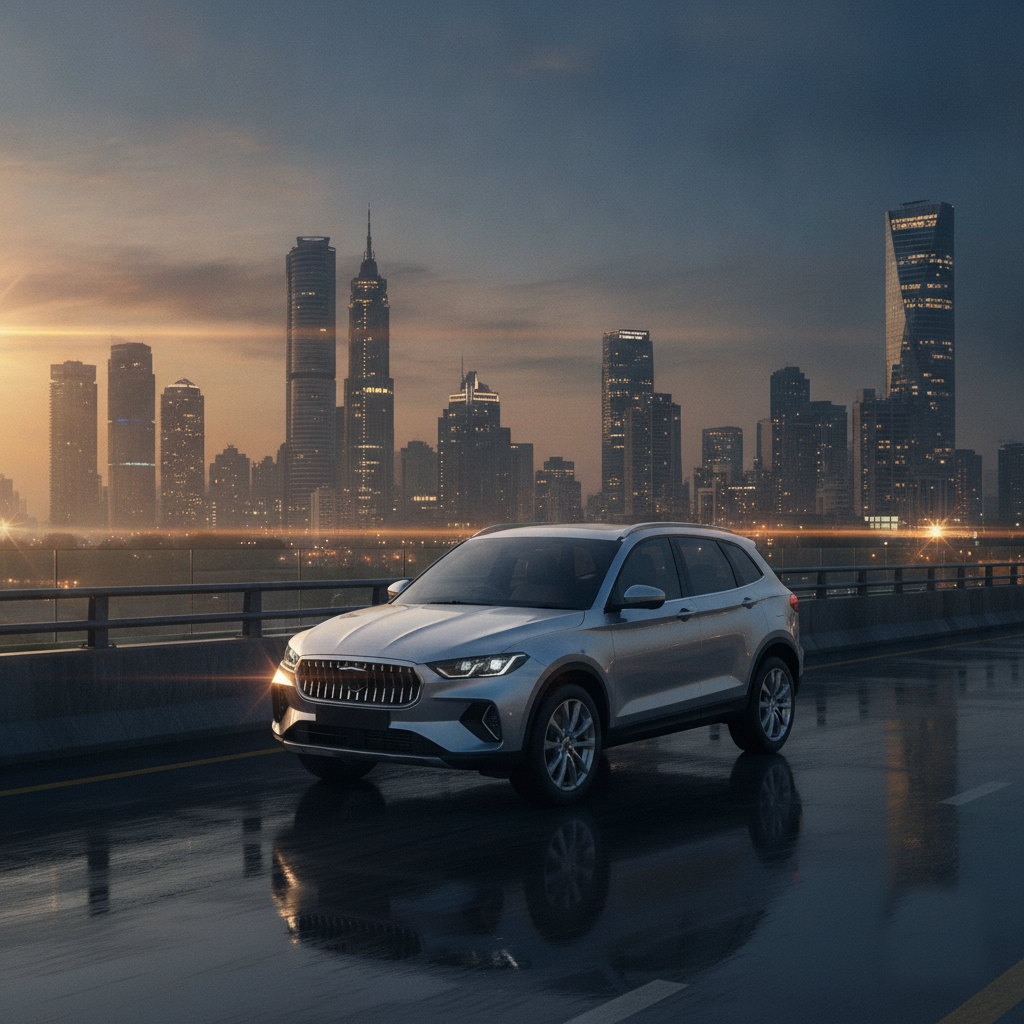
Goldman Sachs lifted its India GDP growth forecast to 6.8% on 26 June 2026, specifically crediting the rapid fading of an oil shock that had rattled markets earlier in the year. In the same week, RBI Governor Sanjay Malhotra publicly dismissed rate-hike chatter as premature, reinforcing the signal that repo rates — and by extension the auto loan EMIs tied to them — are going nowhere soon. Layered onto this is the India-UK Free Trade Agreement, under which India has committed to allowing up to 3.78 lakh UK-manufactured cars to enter at concessional customs duty over the first 15 years of the pact. Globally, the German auto lobby exhaled after the EU secured framework approval of a partial deal with the United States, easing supply chain anxiety that had been pushing up component costs from Europe. Taken together, this is one of the more constructive macroeconomic backdrops India's passenger-vehicle market has seen in recent memory — and it has specific, concrete implications for what you should buy, and when.
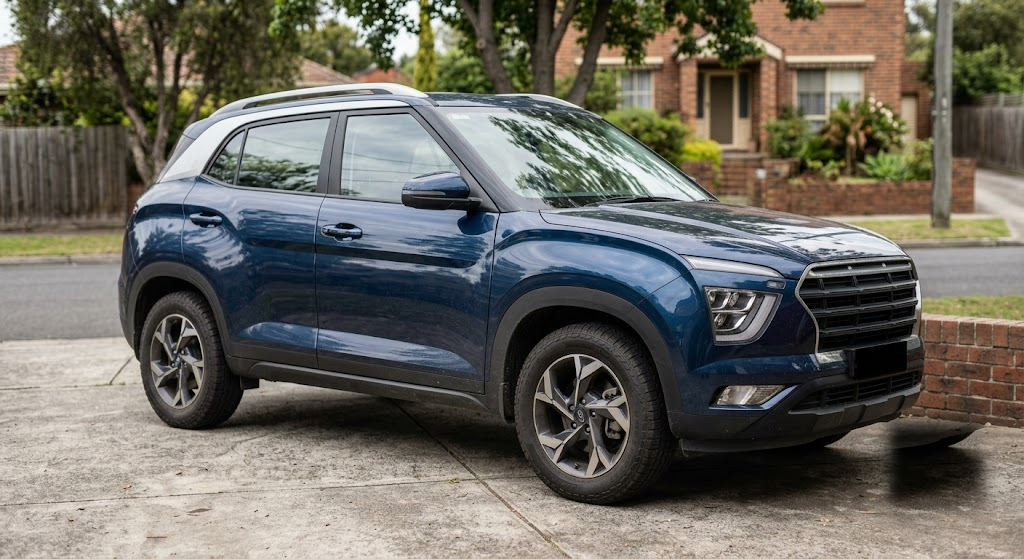
For the vast majority of Indian car buyers, the single most actionable development is the RBI's steady hand. Auto loans are not going up. Banks and NBFCs competing aggressively for retail disbursements are holding sub-9% rates for well-qualified borrowers, and the Governor's explicit pushback on premature rate-hike talk suggests this window stays open through at least the September MPC meeting. This makes the ₹11-15 lakh segment particularly worth acting on now rather than deferring. The [Honda City](/cars/honda-city), priced from ₹11.9 lakh with a 18.4 kmpl petrol engine and an efficient strong-hybrid variant, sits squarely in this sweet spot. The [Hyundai Creta](/cars/hyundai-creta) from ₹11 lakh and the [Kia Seltos](/cars/kia-seltos) from ₹10.99 lakh are equally well-positioned — buyers who lock in a competitive fixed rate today are effectively insulating themselves against any future rate environment, however distant that may be.
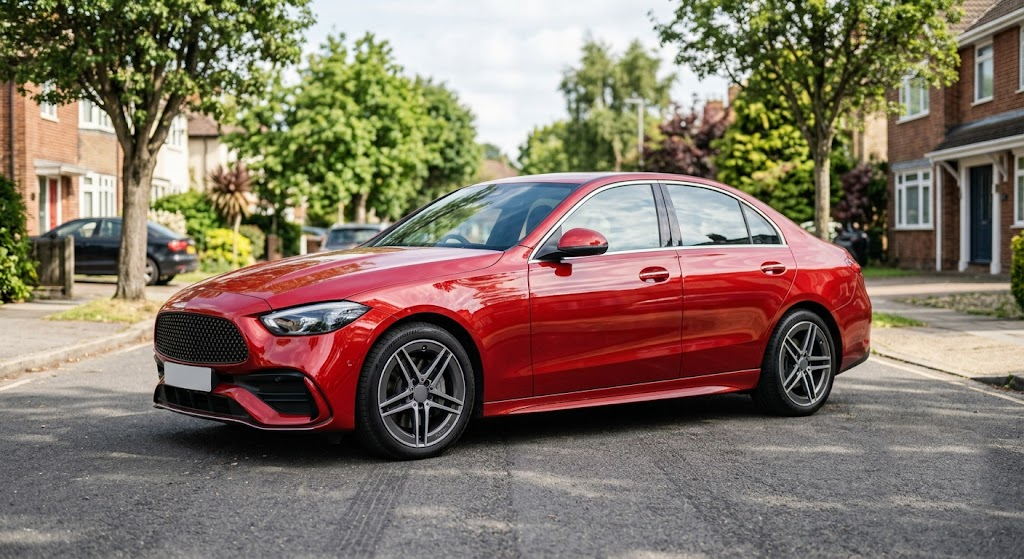
The India-UK FTA's concessional duty quota is the most structurally significant shift for premium-segment shoppers. Fully built-up imported cars currently attract customs duties that can effectively double or more the ex-factory cost — the core reason a car priced at roughly £45,000 in the UK routinely carries a ₹90 lakh-plus on-road ticket in India. The FTA spreads concessional access to 3.78 lakh units over 15 years, implying roughly 25,000 vehicles annually — not a volume to flood the market, but enough to introduce real competitive pressure on UK-assembled models as OEMs seek to utilise their quota allocations. Buyers considering the [Mercedes-Benz C-Class](/cars/mercedes-benz-c-class) (from ₹60 lakh, 18.5 kmpl) or the [Volvo XC40](/cars/volvo-xc40) (from ₹45 lakh) should monitor which specific variants qualify for the concessional bracket. Directionally, the landed cost of eligible premium CBUs is heading lower — but expect gradual corrections over 12-18 months, not an overnight price drop.
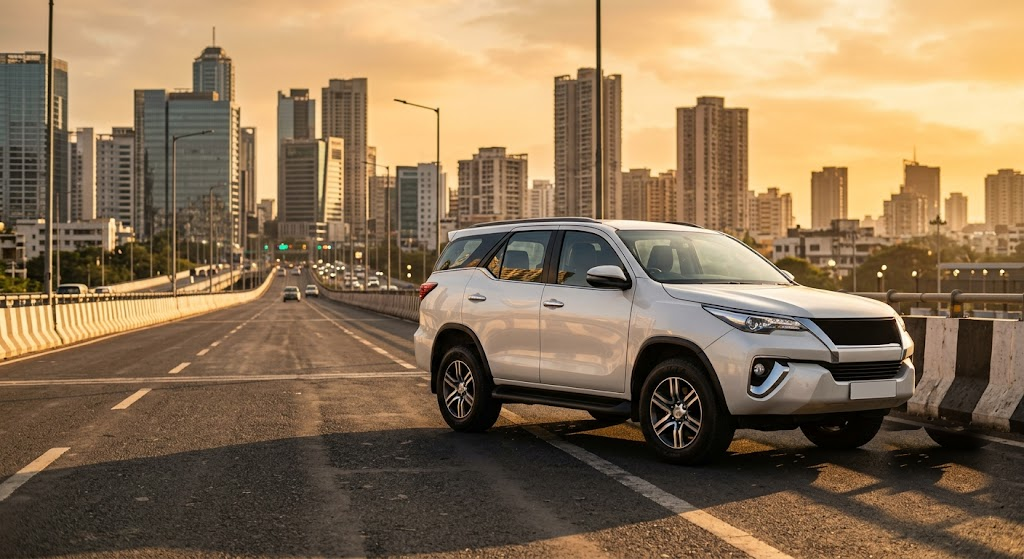
The Goldman Sachs note's attribution of the GDP upgrade specifically to the fading oil shock has a direct read-across to car running costs. Petrol prices have held broadly stable across India's major cities in 2026, and retreating crude benchmarks make further softening plausible. Counterintuitively, this makes hybrids a stronger proposition right now, not a weaker one: the stop-go efficiency advantage in city traffic is unchanged, but you no longer need to justify the premium purely on the basis of a fuel-price crisis. The [Toyota Innova Hycross](/cars/toyota-innova-hycross) (from ₹19.3 lakh, 21.1 kmpl in hybrid mode) remains the benchmark for large-family and fleet-operator buyers. For those with a higher ceiling, the [Lexus ES Hybrid](/cars/lexus-es) (from ₹64.2 lakh, 22.4 kmpl) delivers near-diesel running costs in a full luxury cabin — and with a wave of new hybrid models confirmed for India through 2026-27, buying now means better variant availability and shorter wait times before the segment gets crowded.
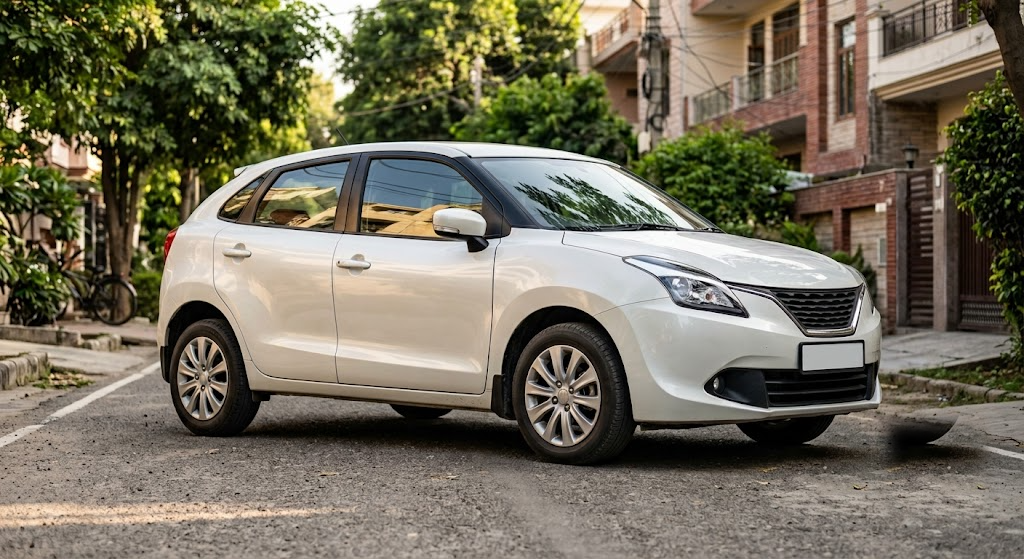
In the ₹6-10 lakh bracket, none of the tariff noise applies at all. These are overwhelmingly domestically assembled cars, and they are the cleanest direct beneficiaries of a 6.8% GDP economy with accessible consumer credit. The [Maruti Suzuki Baleno](/cars/maruti-suzuki-baleno), from ₹6.65 lakh with a class-leading 22.35 kmpl, remains the most fuel-efficient mainstream hatchback money can buy in India and is entirely immune to any import-duty developments. The [Tata Nexon](/cars/tata-nexon), from ₹8 lakh in petrol, diesel, or CNG, is a domestic supply-chain story with zero tariff exposure and one of the stronger resale curves in its segment — the CNG variant cuts per-kilometre running costs substantially below any petrol equivalent at current prices. For buyers who want a sub-₹7 lakh entry point, the [Hyundai Exter](/cars/hyundai-exter) with CNG availability offers micro-SUV proportions and a fuel-flexible powertrain that hedges against any future pump-price volatility.
The practical bottom line for buyers in late June 2026: the macro tailwinds are real, but they reward different segments differently. If your budget is under ₹15 lakh, act now — rates are as competitive as they are likely to be, domestic models are tariff-proof, and a growing economy means dealers are hungry to close business before quarter-end. If you are shopping in the ₹15-40 lakh band, run the numbers on hybrid powertrains seriously: fuel prices are stable, the technology is mature, and the incoming 2026-27 hybrid calendar gives you genuine choice rather than just the Toyota lineup. If you are shopping above ₹50 lakh, the UK FTA quota is a concrete, specific reason to understand your shortlist model's assembly origin before signing — price relief is a realistic outcome over the next year, and it is worth the research. For everyone else, waiting for imaginary future discounts is almost always more expensive than locking in a good rate today.