Hormuz Closure & RBI Rate Hold: 5 Fuel-Smart Cars for July 2026
With Iran shutting the Strait of Hormuz and the RBI holding rates at 5.25% while raising its inflation forecast to 5.1%, Indian car buyers have a narrow window to lock in fuel-efficient choices before pump prices catch up.
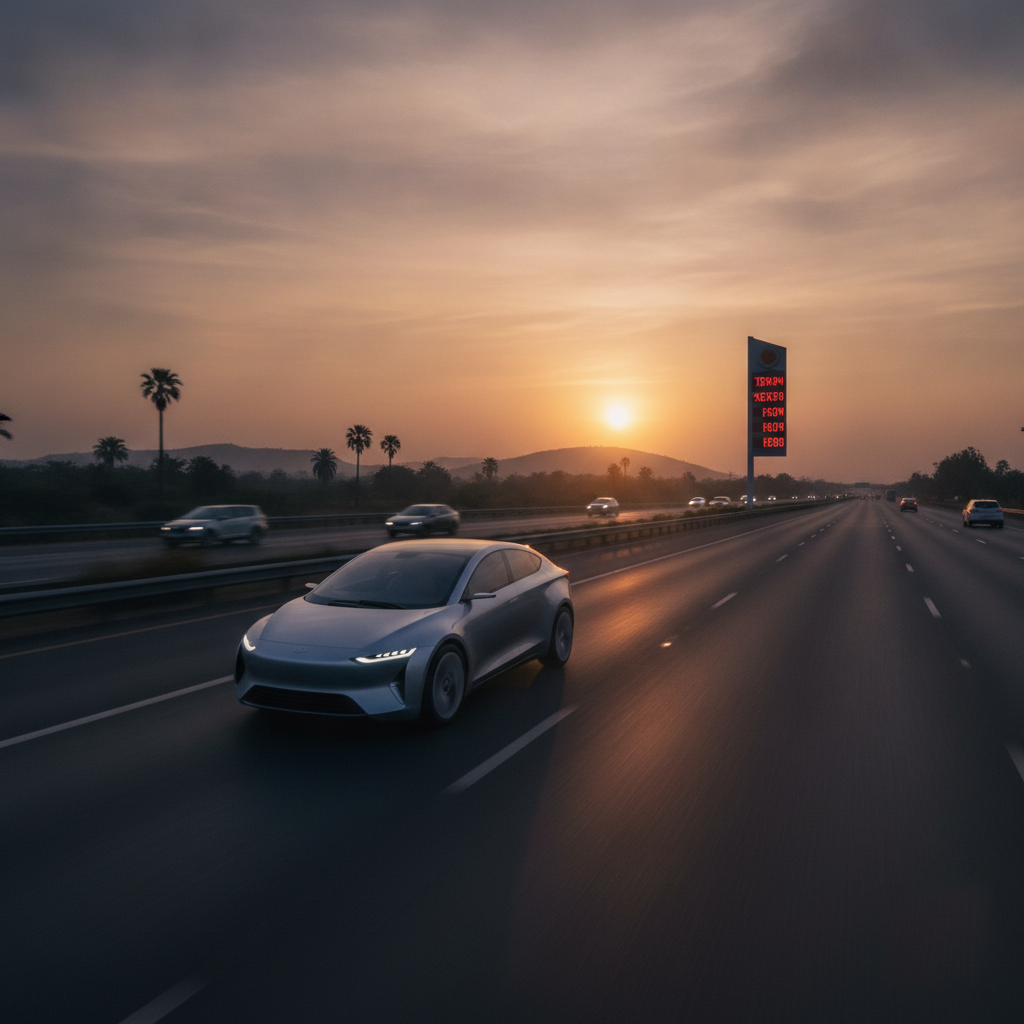
When Iran moved to close the Strait of Hormuz in the final week of June 2026 — a chokepoint through which roughly one-fifth of the world's seaborne crude passes — oil markets reacted sharply and the Nifty entered a turbulent stretch. The timing could hardly have been worse for Indian consumers. On June 28, the RBI's Monetary Policy Committee held the repo rate at 5.25%, but the accompanying statement carried a sobering double revision: the FY27 GDP growth forecast was trimmed to 6.6% and the inflation projection was raised to 5.1%. India imports over 85% of its crude through routes that run past the Gulf, which means a sustained Hormuz disruption transmits — with a lag of roughly eight to twelve weeks — directly to the petrol pump. That lag is the window car buyers need to act intelligently.
For car buyers, this macro cocktail has three concrete consequences. First, petrol and diesel prices face upward pressure for the first time in over a year: even a ₹5-per-litre increase adds roughly ₹6,000–₹8,000 to the annual fuel bill of a typical petrol hatchback covering 12,000 km. Second, with inflation nudging toward 5.1%, real household purchasing power is being squeezed even as nominal income stays flat. Third — and this is the one piece of good news — the repo rate hold at 5.25% means car loan EMIs are unlikely to spike in the near term. A ₹10 lakh loan at the prevailing bank rate of approximately 8.5–9% over five years carries a monthly EMI of around ₹20,500–₹21,000, and that figure looks stable for at least the next quarter. The upshot: financing is not your risk right now. The fuel bill is.
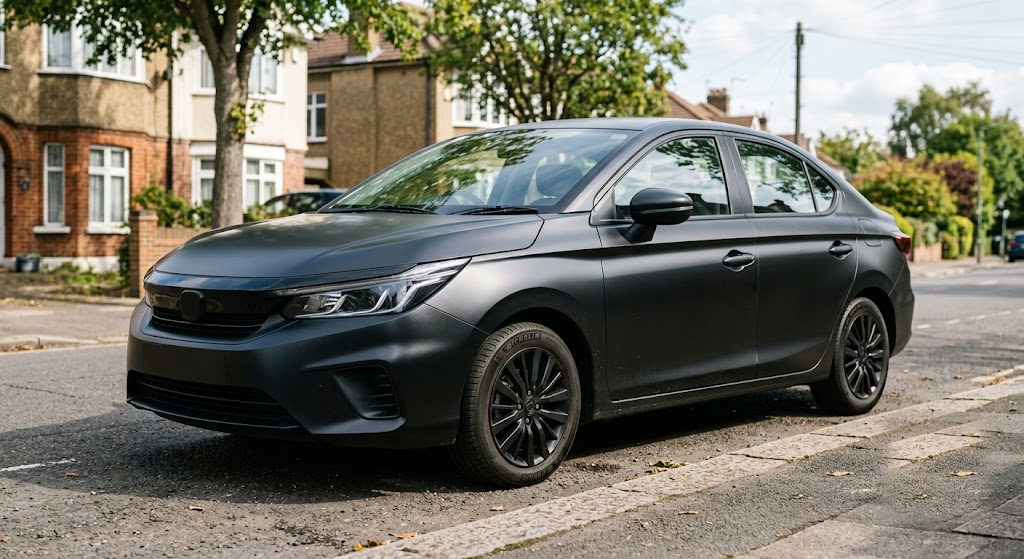
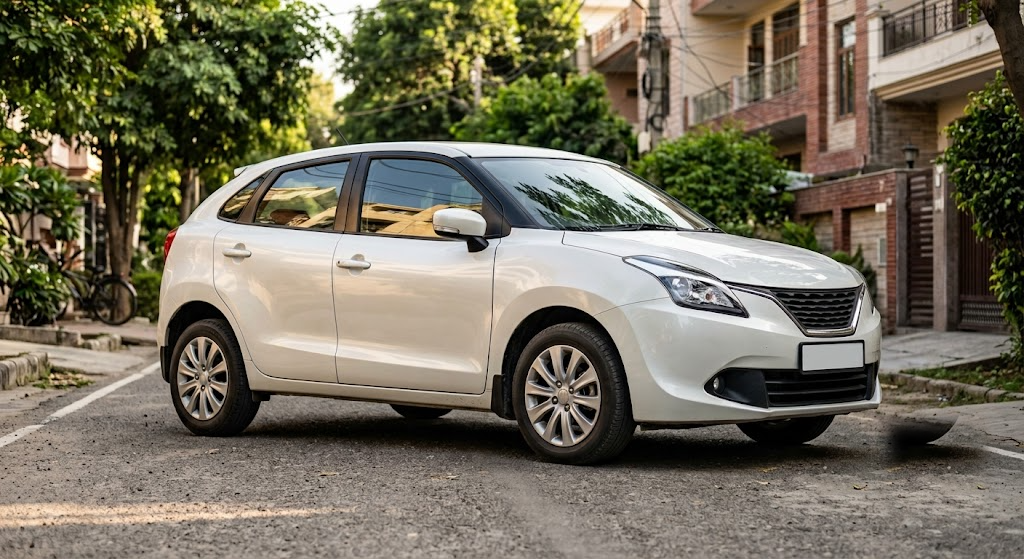
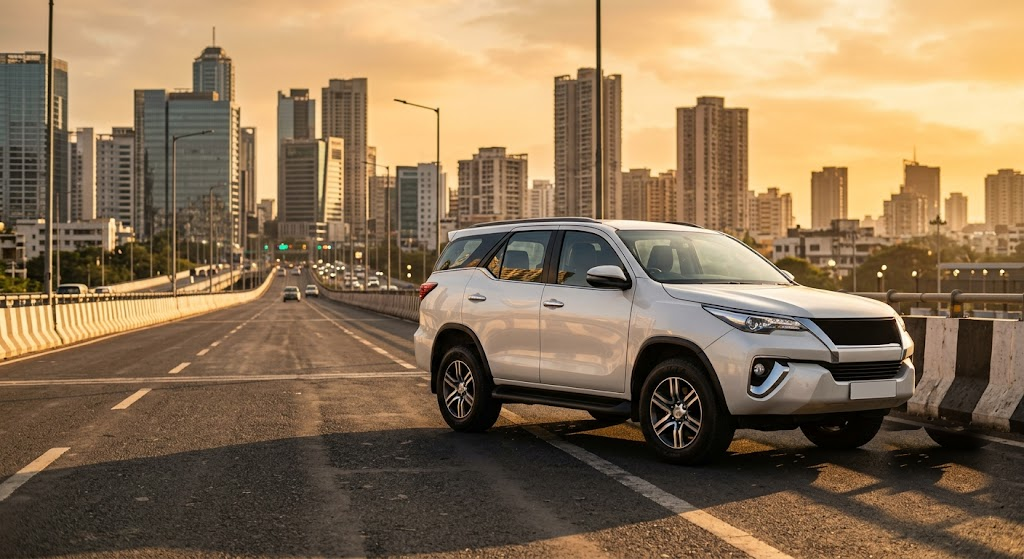
The two fuel types most insulated from a crude-linked price shock are CNG and self-charging hybrids. CNG retail prices in India are set domestically and are largely delinked from international oil markets, making them a natural hedge. The Maruti Suzuki Baleno CNG (from ₹6.65 lakh, 22.35 kmpl petrol-equivalent) is the benchmark for sheer economy in the hatchback space — and its CNG variant's running cost is roughly 40–45% lower than a comparable petrol model. The Hyundai Exter CNG (from ₹6 lakh, ~19.4 kmpl equivalent) adds compact SUV styling at a similar entry price with no compromise on ground clearance. Among self-charging hybrids, the Toyota Innova Hycross Hybrid (from ₹19.3 lakh, 21.1 kmpl) proves that a full-size MUV no longer has to be a fuel hog. And the Honda City e:HEV (from ₹11.9 lakh, 18.4 kmpl) is arguably the sharpest value in the segment: it switches seamlessly to its electric motor in stop-start city traffic, precisely where an oil-price shock is felt most acutely.
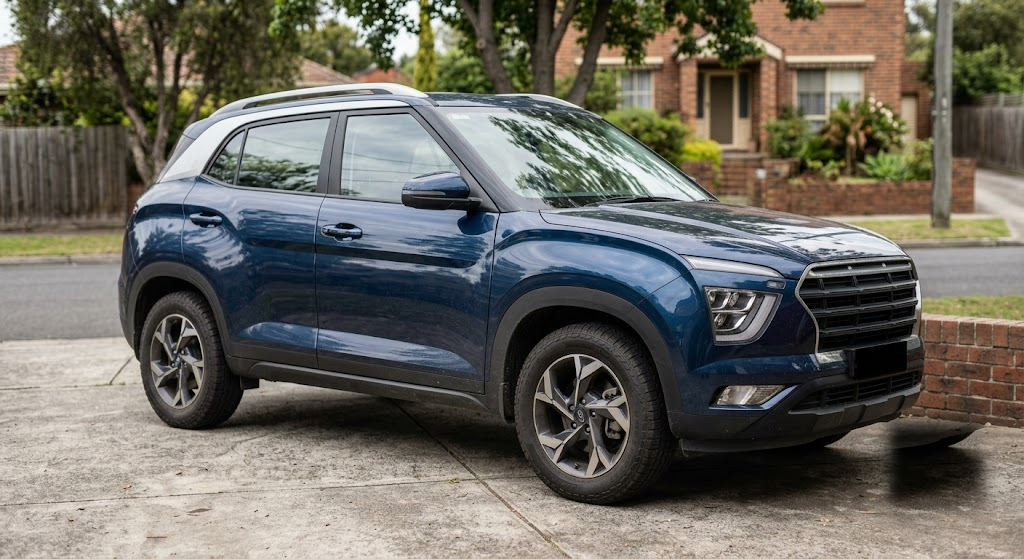
For buyers browsing the hotly contested mid-size SUV space, the efficiency gap between fuel options matters more this July than it did six months ago. The Hyundai Creta (from ₹11 lakh, 17.4 kmpl on petrol) and the Kia Seltos (from ₹10.99 lakh, up to 20.7 kmpl in diesel trim) both deliver strong real-world mileage relative to segment peers, and their locally assembled supply chains are unaffected by the Hormuz disruption — no waiting-period extension risk tied to import logistics. If your annual mileage exceeds 15,000 km, the diesel Seltos at 20.7 kmpl becomes the fifth fuel-smart pick to seriously consider: the higher upfront cost of diesel pays back faster as petrol prices creep up over the next two to three quarters.
There is one structural tailwind emerging on the import side that premium-segment buyers should track separately. India's trade agreement with the United Kingdom — confirmed in June 2026 — creates a quota allowing up to 3.78 lakh UK-manufactured cars to enter India at concessional import duties over the first fifteen years of the pact. Cars assembled in Britain, including the Mini Cooper (from ₹44.9 lakh), could see gradual on-road price reductions as the lower duty schedule phases in. However, the full benefit will take at least one to two years to materialise, the quota is finite, and allocation timelines remain unclear. For the vast majority of the Indian car market — domestically built vehicles from Maruti Suzuki, Hyundai, Kia, Honda, Tata, and Mahindra — the UK trade deal has no near-term pricing impact. Their costs are governed by domestic production economics, prevailing GST slabs, and local logistics, none of which are moving adversely right now.
The practical takeaway for buyers heading into July 2026 is straightforward: a Hormuz-driven oil shock typically takes two to three months to fully pass through to retail fuel prices in India, which gives you a short but real window to act before the pump catches up. If your current shortlist includes a petrol car delivering below 16 kmpl, this is a good moment to revisit a CNG or hybrid alternative — or to move to diesel if your annual mileage justifies it. EMI conditions are stable, so financing is not the bottleneck. The real variable is what you will pay at the fuel station every month for the next five to seven years. In an environment where growth is softening to 6.6% and inflation is edging toward 5.1%, the car with the lowest total cost of ownership — not the lowest ex-showroom sticker — is the one that will feel like the right call a year from now.