GST Up, EU Tariffs Bite: 5 Locally-Built Cars That Win Right Now
As EU tariff friction rattles European automotive supply chains and India's GST collections hit fresh highs, the gap between locally assembled and imported cars has never been more relevant to your buying decision.
India's GST collections stretched to fresh highs through mid-2026, and passenger vehicle sales are tracking toward 4–6% growth in FY27 — evidence that the domestic economy is accelerating, not stalling. Yet the global picture is considerably messier. The UK's Society of Motor Manufacturers and Traders sounded an urgent note on July 1, warning that new EU trade barriers are creating significant tariff risks for British automotive supply chains. When component costs rise inside Europe due to trade friction, the price eventually travels downstream to export markets like India, where most European vehicles already attract import duties exceeding 100% on their base value. Add to that the geopolitical uncertainty around the Strait of Hormuz — a flashpoint that briefly rattled crude oil markets in late June — and it becomes clear that the backdrop for car buying right now is one of calm at home and turbulence abroad. The question is how to use that contrast intelligently.
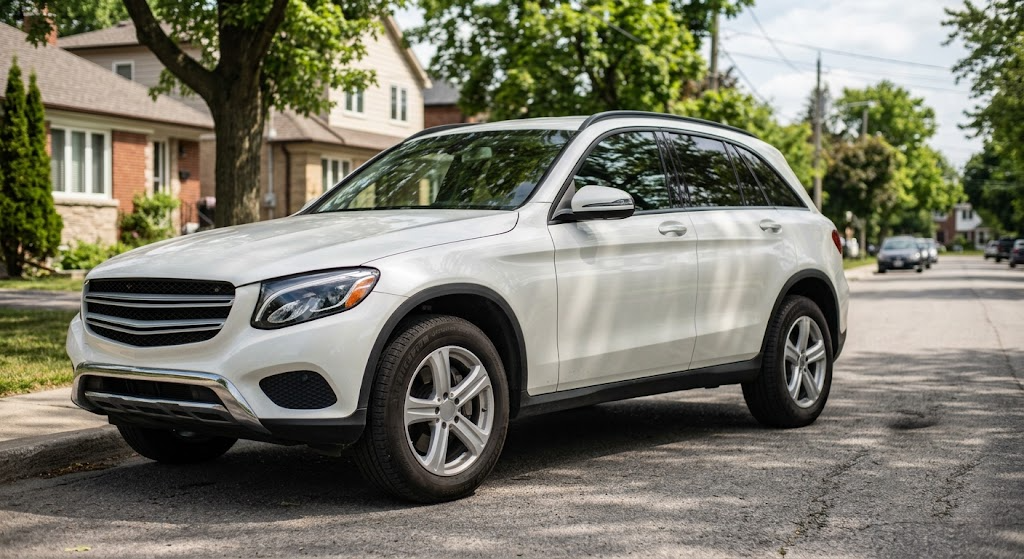
The India import-duty structure means that any cost increase in a European vehicle's production is magnified considerably by the time the car reaches an Indian showroom. A car whose CIF price rises by ₹2 lakh in Europe can add ₹4–5 lakh to the on-road price in India once customs duties, IGST, and registration costs are stacked on the revised base. This is directly relevant to buyers considering the [Mercedes-Benz GLC](/cars/mercedes-benz-glc) (from ₹74 lakh), the [Volvo XC60](/cars/volvo-xc60) (from ₹67.9 lakh), or the [MINI Cooper](/cars/mini-cooper) (from ₹44.9 lakh) — all CBU imports whose pricing is structurally exposed to European supply chain costs. None of this signals an imminent catastrophic hike, but it does tip the calculation in favour of acting sooner for buyers who have been sitting on the fence about these models for months. The risk-reward of waiting has quietly worsened.
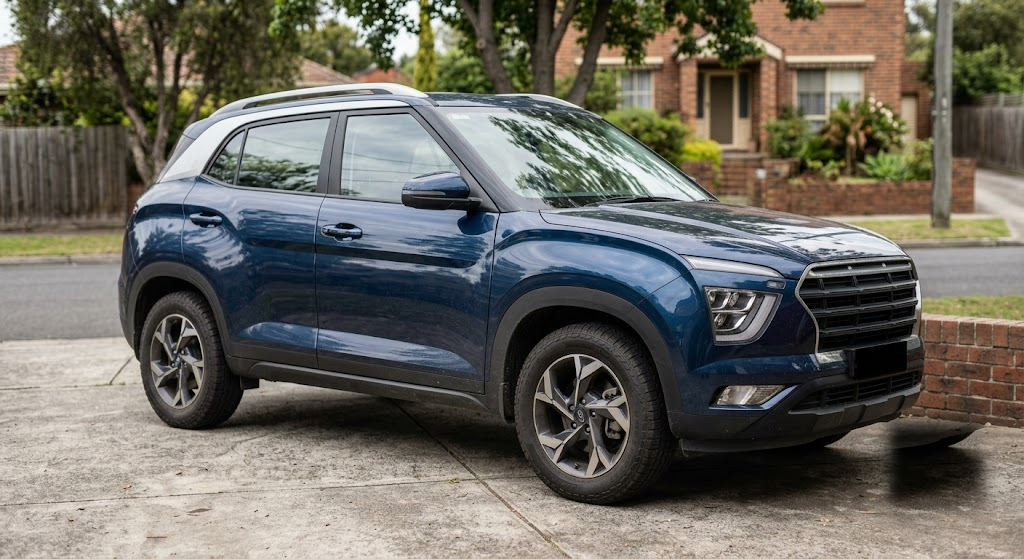
On the financing side, RBI Governor Sanjay Malhotra's public statement that rate hike discussions are "premature" buys car buyers something genuinely valuable: EMI predictability. Floating-rate car loan benchmarks are currently clustered in the 8.5–9.5% range across major lenders, and with the central bank in no hurry to tighten, that window is likely to hold through at least the September quarter. On a [Honda City](/cars/honda-city) at roughly ₹12 lakh ex-showroom, a five-year loan at around 9% works out to approximately ₹25,000 per month — a number that climbs meaningfully if rates move even 50 basis points higher. The same math makes the [Hyundai Creta](/cars/hyundai-creta) (from ₹11 lakh) particularly compelling right now: locally assembled, widely serviced, available in petrol and diesel, and positioned to benefit from the full tailwind of stable lending rates.
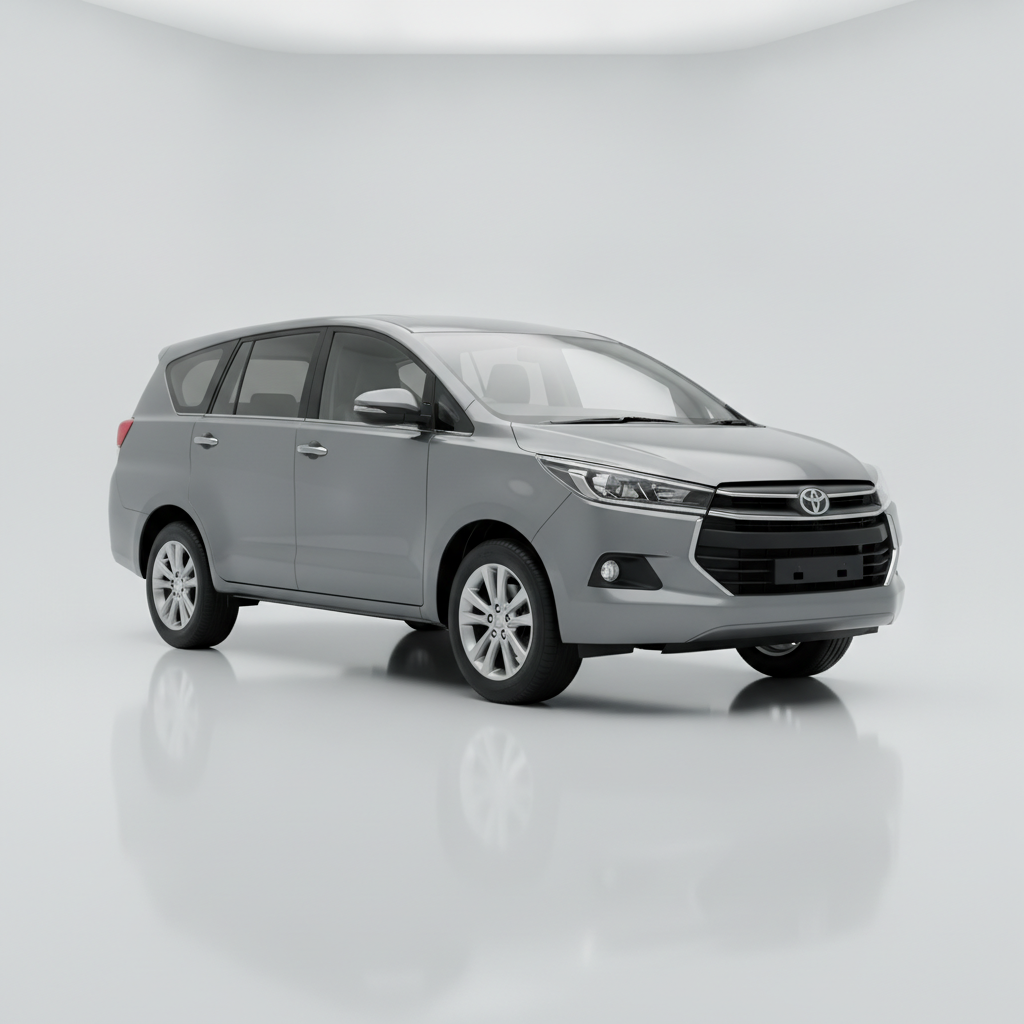
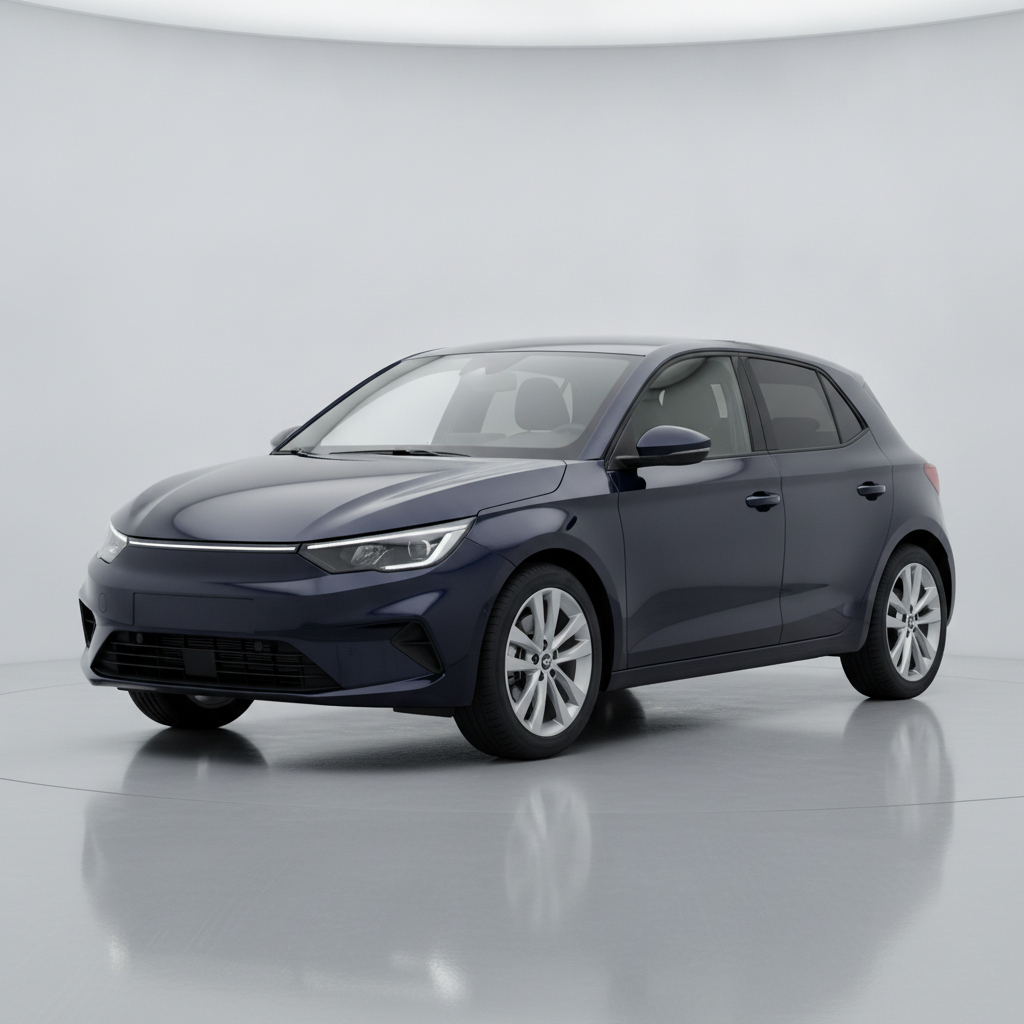
The Hormuz disruption in late June did not trigger a prolonged oil price spike — global production buffers helped absorb the initial shock — but the episode is a standing reminder that India's fuel prices are not insulated from geopolitical events. For buyers covering 1,500 km or more per month, the efficiency difference between models matters materially over a five-year ownership horizon. The [Toyota Innova Hycross](/cars/toyota-innova-hycross) Petrol-Hybrid stands out in the MUV segment with a claimed 21.1 kmpl — remarkable for a seven-seater — giving it a structural edge if pump prices climb. At the economy end, the [Maruti Suzuki Baleno](/cars/maruti-suzuki-baleno) CNG variant delivers 22.35 kmpl on a fuel whose retail price is partially regulated in India, offering a hedge that pure-petrol alternatives simply cannot match. Buyers open to EVs can sidestep the fuel equation entirely: the [Mahindra BE 6](/cars/mahindra-be-6) (from ₹18.9 lakh, 490 km ARAI range) and [Tata Nexon EV](/cars/tata-nexon-ev) (from ₹12.99 lakh, 465 km claimed range) both combine locally manufactured resilience with zero fuel-cost exposure.
The broader sales growth story carries a subtler warning for value hunters: with the industry growing at 4–6%, OEMs are in a far stronger negotiating position than they were during the inventory-heavy months of late 2025. Dealer cash discounts and exchange bonuses that were routinely ₹50,000–₹80,000 on volume sellers like the [Kia Seltos](/cars/kia-seltos) (from ₹10.99 lakh) and [Mahindra XUV700](/cars/mahindra-xuv700) (from ₹13.99 lakh) are quietly narrowing as demand firms. Both models are substantially India-assembled — meaning their pricing is largely shielded from European supply chain volatility — but they are not shielded from demand-driven pricing discipline. The [Hyundai Venue](/cars/hyundai-venue) (from ₹7.99 lakh) and [Kia Sonet](/cars/kia-sonet) (from ₹8 lakh) are in the same position at the compact-SUV tier: excellent value today, with the trajectory of available discounts pointing firmly downward as the festival season builds.
The practical read for July 2026: the domestic economy is your ally, and global trade friction is a risk to manage — not a reason to panic. For buyers eyeing European CBU imports such as the Mercedes-Benz GLC, Volvo XC60, or MINI Cooper, the combination of EU supply chain disruption and India's import-duty multiplier makes a clear case for not delaying further. For buyers in the mass-market segment, the move is to lock in your EMI now while the RBI's accommodative stance persists, and to negotiate hard on locally assembled SUVs and sedans before festival-season demand removes whatever flexibility dealers still have. And wherever fuel cost is a material input — whether because of high monthly mileage or because geopolitical headlines make you nervous — the Innova Hycross Hybrid, Baleno CNG, Mahindra BE 6, and Tata Nexon EV offer structural insulation that a standard petrol car simply cannot replicate.